
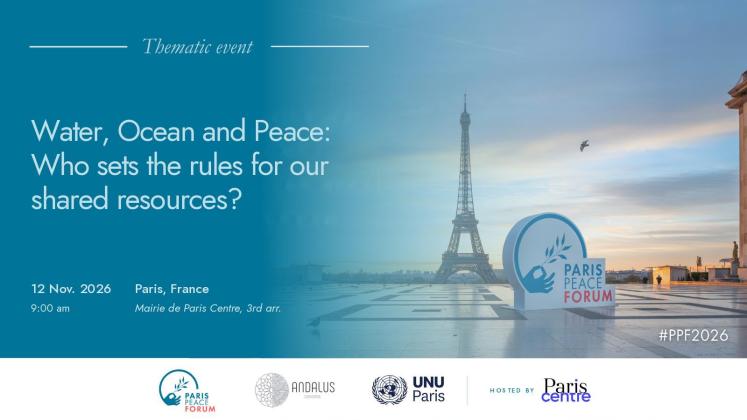
Paris, 12 November 2026
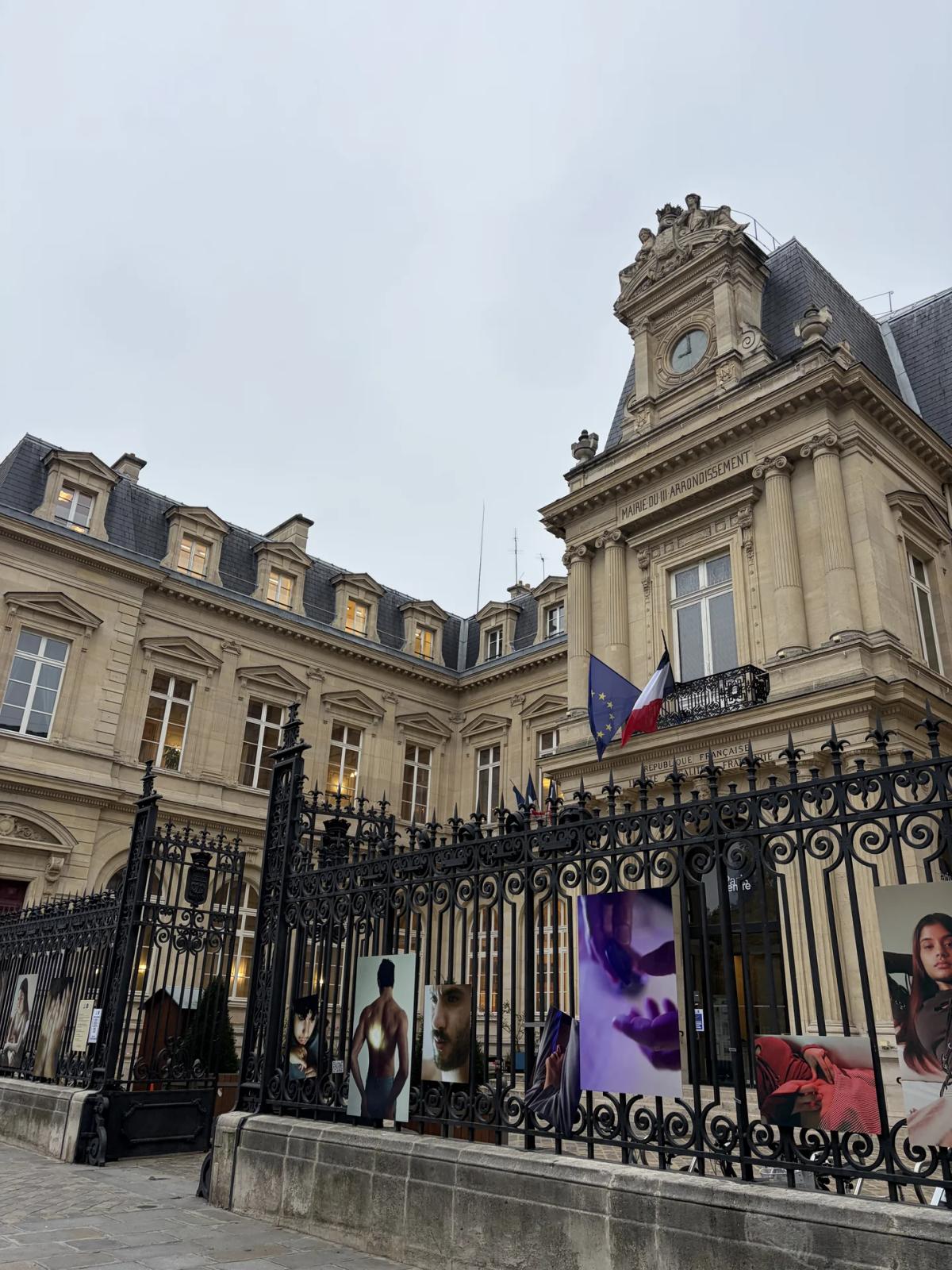
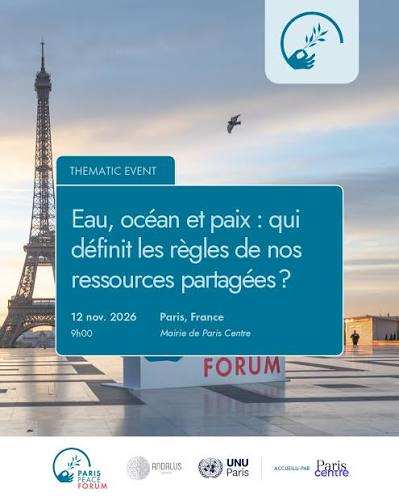
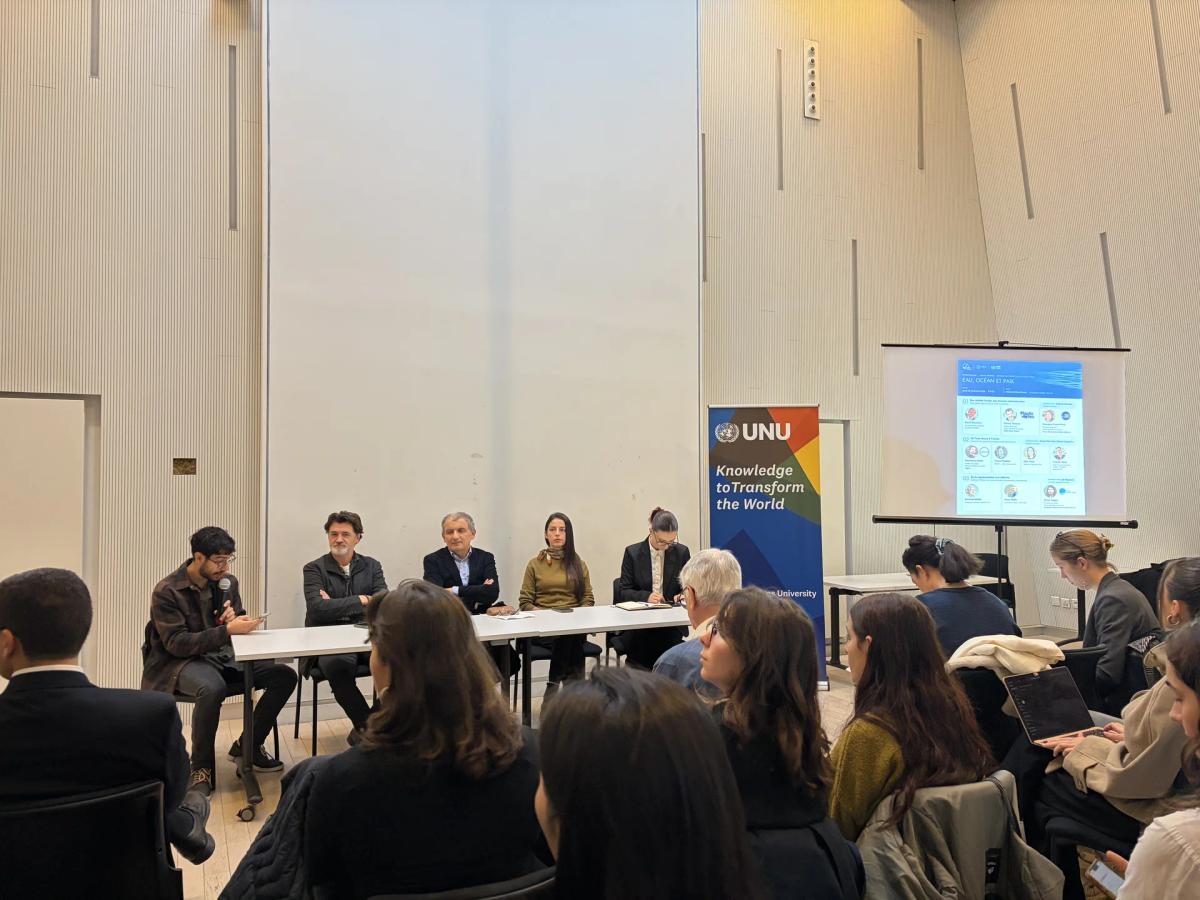
On November 12, 2026, the Global Youth Dialogue among Civilisations Alliance (GYDCA) had the pleasure of attending the thematic event “Eau, océan et paix : qui définit les règles de nos ressources partagées ?” (Water, Oceans and Peace: Who Defines the Rules of Our Shared Resources?), held at the Mairie de Paris Centre as part of the Paris Peace Forum.
The event brought together researchers, experts, civil society representatives and stakeholders to discuss one of the most pressing challenges of our time: how to ensure the peaceful, equitable and sustainable governance of water and ocean resources in an increasingly interconnected world.
Throughout the discussions, participants explored the relationship between environmental degradation, geopolitical tensions, global inequalities and international cooperation, highlighting the urgent need for more inclusive and effective governance mechanisms.
Water Resources: Between Geopolitical Competition and International Cooperation
The first session, “From Local Realities to International Tensions,” examined how access to freshwater has become an increasingly important geopolitical issue.
Speakers discussed how growing demand, climate change and unequal access to water resources can intensify tensions between countries, particularly when rivers and water basins cross national borders.
Examples involving Egypt, Ethiopia and Türkiye illustrated how control over water resources can become an instrument of political influence and regional power. Nevertheless, the discussions also highlighted that transboundary water management can create opportunities for cooperation rather than conflict, particularly through international river basin organisations and shared governance mechanisms.
Another major issue addressed was plastic pollution. As waste travels through rivers into the oceans, environmental challenges increasingly transcend administrative and national boundaries. Participants emphasised the importance of preventive measures, innovative waste collection technologies and stronger cooperation between public authorities, scientists and local communities.
From Freshwater to the Oceans: Environmental Justice and the Global South
The second part of the event focused on ocean governance, environmental inequalities and the disproportionate impact of climate change on vulnerable communities.
Particular attention was given to the Global South, especially island nations and coastal communities in the Pacific and Caribbean regions, which are among the most exposed to rising sea levels, marine pollution and disruptions to ocean-dependent economic activities.
Discussions also addressed the consequences of global plastic waste flows, unsustainable fishing practices and the growing involvement of criminal networks in environmental trafficking.
A central message emerged: environmental governance cannot be effective without the meaningful participation of the communities most directly affected by environmental degradation.
Speakers questioned governance approaches in which international actors design environmental policies without adequately consulting local populations. Such practices can reproduce unequal power relations and overlook valuable traditional and indigenous knowledge.
The importance of women's participation was also emphasised, particularly in agriculture and local resource management, where women frequently possess essential environmental expertise but remain underrepresented in decision-making processes.
Participants called for more inclusive approaches combining scientific research, local knowledge, community participation and political commitment.
The discussions further highlighted the limitations of recycling as a standalone response to plastic pollution. While waste collection and recycling initiatives remain important, tackling the problem also requires addressing plastic production, corporate responsibility and unsustainable consumption patterns.
Rethinking Multilateralism: From Representation to Institutional Reform
The final session, “From Representation to Reform,” broadened the discussion to the future of international institutions and the relationship between environmental governance, social justice and peace.
One of the most thought-provoking reflections concerned the very definition of peace.
Rather than understanding peace simply as the absence of armed conflict, speakers argued for a broader perspective based on human security, social protection, access to essential resources and the reduction of global inequalities.
From this perspective, environmental degradation, water scarcity, food insecurity and unequal access to resources are not merely ecological concerns: they are fundamental challenges to international peace and stability.
The debate also addressed the structural limitations of contemporary multilateralism, including unequal representation within international institutions and the concentration of decision-making power among a limited number of states.
The governance of international waters provided a particularly relevant example. Discussions referred to the Agreement on Biodiversity Beyond National Jurisdiction (BBNJ) as an important development in international cooperation to protect marine biodiversity in areas beyond national jurisdiction.
However, participants stressed that the effectiveness of international agreements depends on their implementation and on ensuring that developing countries can participate meaningfully in negotiations, scientific research and decision-making.
A recurring concern was that countries from the Global South should not merely be consulted or invited to share their experiences, but should be recognised as equal partners in defining the rules governing shared global resources.
The Role of Youth in Building a More Inclusive Multilateralism
One of the key takeaways of the event was the importance of involving younger generations in rethinking international cooperation.
As environmental crises become increasingly interconnected with security, development and global governance, young people have a crucial role to play in promoting innovative, inclusive and cooperative solutions.
The discussions emphasised the need to rebuild trust in multilateral institutions, strengthen dialogue between different regions and generations, and create new opportunities for participation in international decision-making.
For GYDCA, these reflections strongly resonate with our mission of empowering young people, fostering intercultural dialogue and bringing emerging generations closer to international institutions and diplomatic processes.
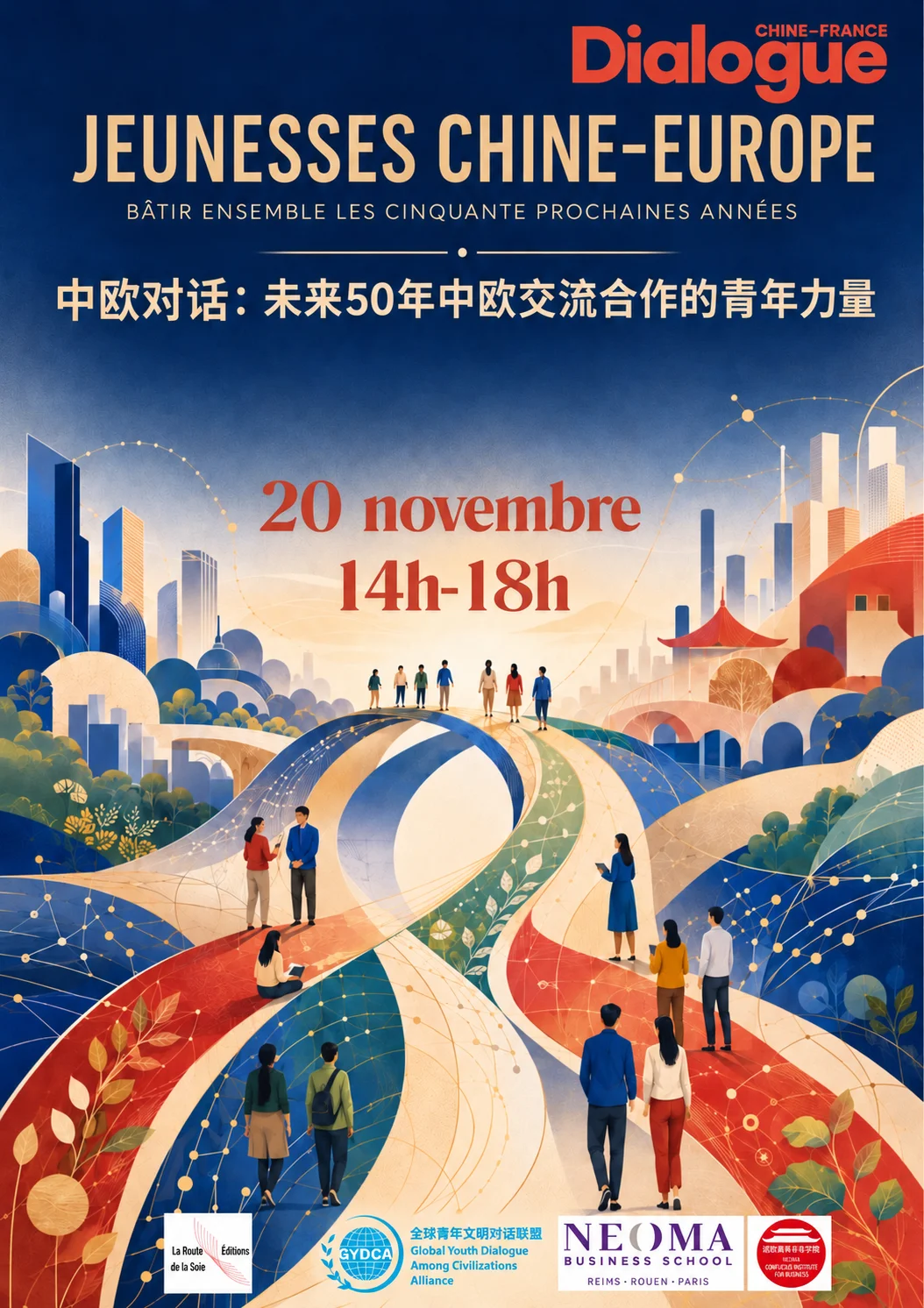
Through our initiatives, including MUNESCO and our Dialogue events, we seek to create spaces where young people can engage with global challenges, exchange perspectives with experts and decision-makers, and actively contribute to shaping the future of international cooperation.
Towards a Shared and Sustainable Future
The event offered valuable insights into the complex relationship between natural resources, geopolitical power, environmental justice and international peace.
Above all, it reinforced a fundamental principle: water and oceans should serve as bridges for cooperation rather than sources of division.
Addressing today's environmental challenges requires moving beyond fragmented national approaches towards collective responsibility, stronger international institutions and genuinely inclusive decision-making processes.
GYDCA was delighted to participate in these important discussions and extends its appreciation to the organisers, speakers and participants for fostering such a meaningful exchange.
We remain committed to promoting dialogue across cultures and generations, supporting youth engagement in global governance, and contributing to a more peaceful, inclusive and sustainable international community.