

AL JAZEERA & REUTERS | MUNESCO 2026
Al Jazeera: AI Governance: US Stands Alone as UN Simulation Adopts Global Resolution
An overwhelming diplomatic consensus masks deeper divisions over sovereignty, technological inequality and the protection of vulnerable populations.
Paris, France | 30 October 2026
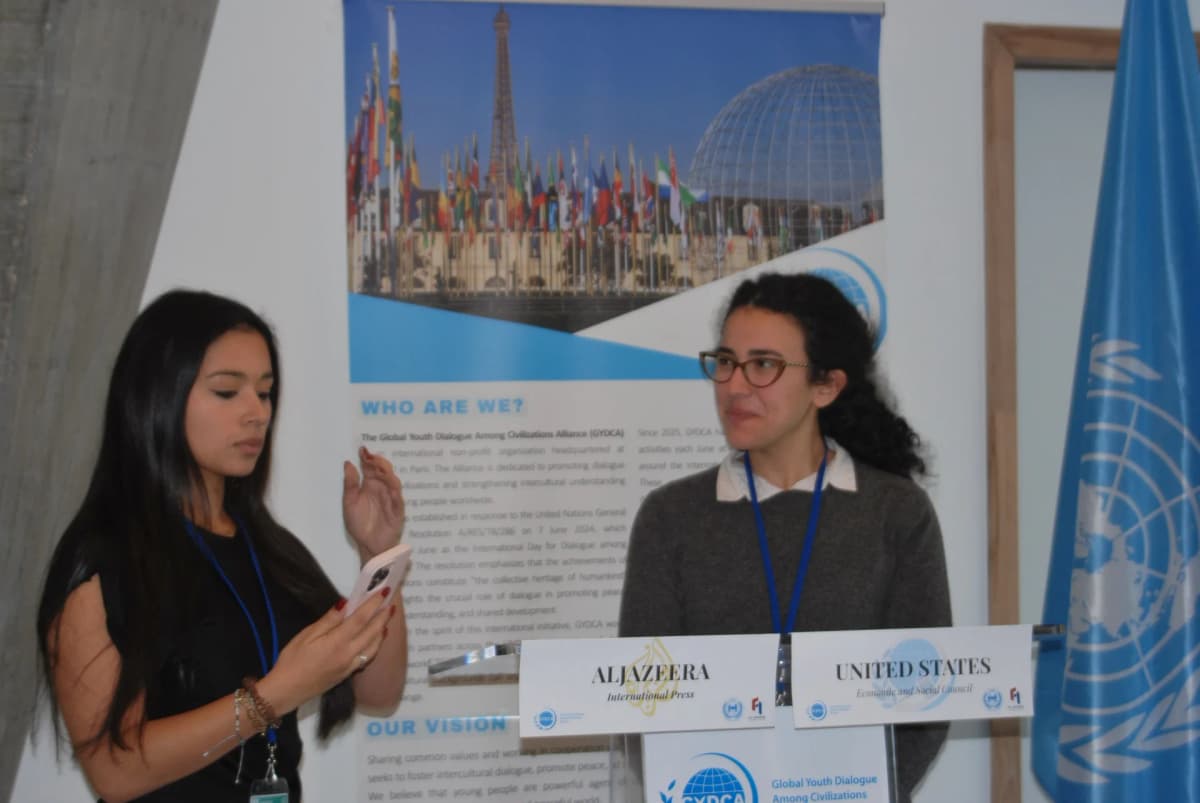
By Elvire Bernard-Evin | Al Jazeera Correspondent
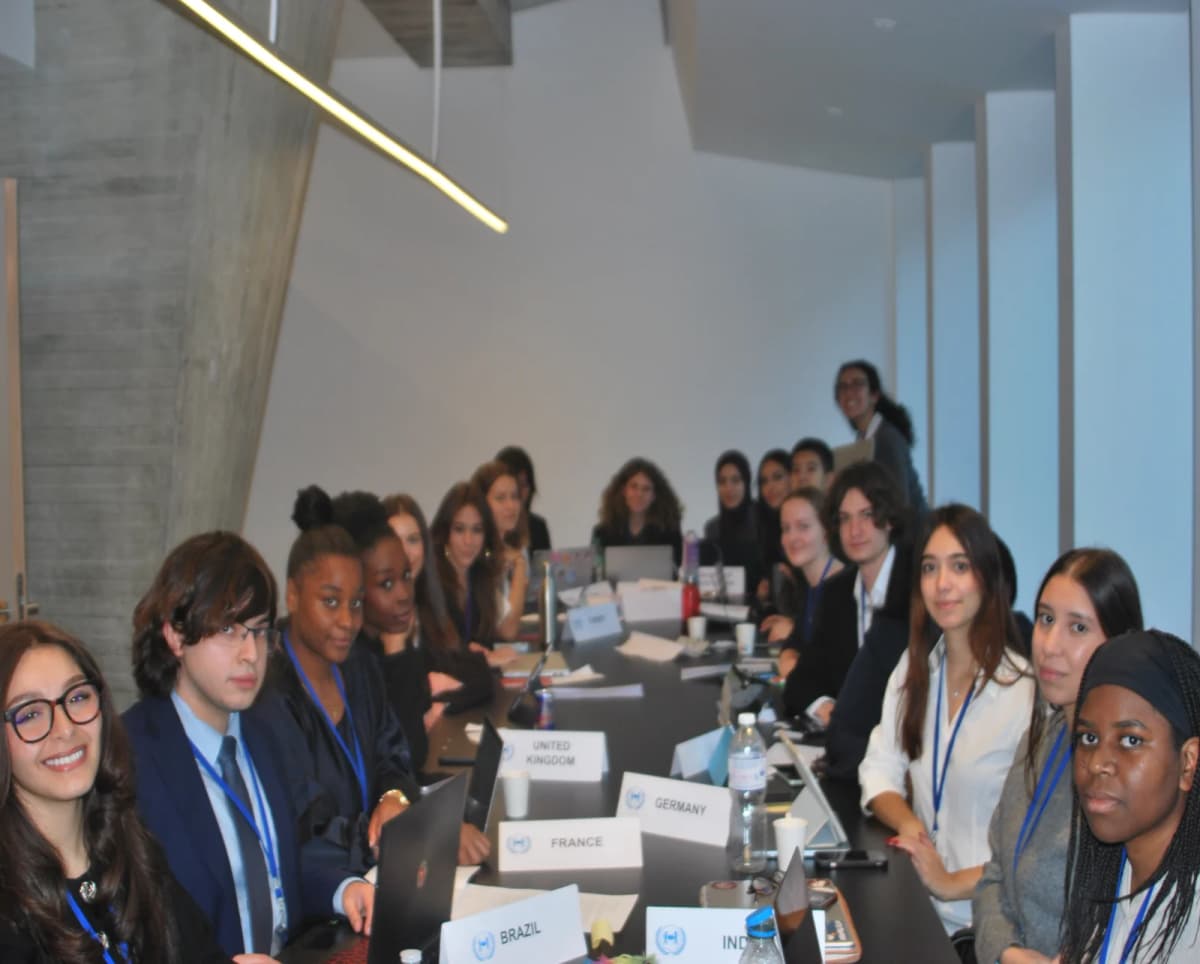
PARIS - The United States was the only country to vote against a global artificial intelligence governance resolution adopted on Friday at MUNESCO 2026. Eighteen delegations voted in favour, while Brazil abstained.
The vote followed hours of negotiations over national sovereignty, technological inequality and human rights. It also came against the backdrop of a fictional crisis in which thousands of people were wrongly denied social benefits because of AI errors.
Despite the overwhelming support for the resolution, the debates revealed how difficult it remains for countries to agree on who should regulate artificial intelligence, and how.
Washington stands alone
Throughout the negotiations, the United States opposed binding international AI regulations, arguing that countries should remain free to establish their own rules.
China, meanwhile, supported greater international cooperation but warned against Western technological dominance and called for a more inclusive approach.
One of the most controversial proposals did not survive the negotiations. Delegates dropped plans for an international authority that could sanction governments, opting instead for a more flexible system based on consultation, scientific expertise and risk assessments.
The compromise was not enough to convince Washington, which voted against the final resolution.
The result showed that even when countries agree on the need for cooperation, they remain divided over how much authority international institutions should have.
A billion-dollar promise to developing countries
While major powers debated sovereignty, developing countries pushed for something more immediate: access to technology.
The adopted resolution includes a voluntary $1 billion fund for 2027-2031, proposed by Saudi Arabia, to support AI development in less developed regions.
South Africa also secured support for multilingual AI technologies, including translation tools and speech recognition systems, as well as cooperation with local experts and communities.
For South Africa and other developing countries, the debate was not just about regulating AI. It was also about making sure the technology works for people outside the world's wealthiest nations.
But the fund remains voluntary. Whether countries will actually contribute the promised resources is another matter.
Human rights: promises or protections?
Tensions also emerged between France and North Korea over mass surveillance. North Korea accused France of hypocrisy over surveillance measures associated with the Paris Olympic Games, while France defended the importance of privacy and human rights.
Delegates eventually agreed to strengthen the resolution's human rights provisions, adding safeguards against algorithmic bias and mass social scoring.
Yet the fictional social benefits crisis exposed a problem that the negotiations did not fully address.
The resolution does not explicitly guarantee compensation for victims of AI errors or establish a clear right to challenge automated decisions. It also leaves open the question of whether governments or technology companies should be held responsible when these systems cause harm.
For people who depend on social benefits to pay their bills or buy food, these are not simply technical questions.
The resolution passed. The US voted against it. A billion-dollar fund was proposed, and governments agreed on stronger protections for human rights.
But for the people wrongly denied social benefits, one question remains unanswered: who is responsible?
That question may prove harder to settle than Friday's vote.
Reuters - Nations Debate the Future of AI Governance
Nisrine Laout
Delegates gathered at MUNESCO to address some of the major challenges
surrounding artificial intelligence governance. Discussions focused on the need for
international regulation, the protection of national sovereignty and the impact of AI on
fundamental human rights.
Throughout the session, several disagreements emerged between countries over how
artificial intelligence should be controlled and used. Tensions were particularly visible
between France and North Korea regarding the use of mass surveillance and the limits
of state control over digital technologies. These exchanges highlighted the difficulties of reaching a common international position on such a complex issue.
Another major point of discussion was the growing technological gap between
developed and developing countries. Several delegates stressed the importance of
ensuring equal access to artificial intelligence and preventing less developed nations
from being left behind. Among the proposals discussed was the creation of a $1 billion
fund designed to reduce global inequalities and support countries with fewer
technological resources.
Beyond political disagreements and economic concerns, delegates also examined the
direct consequences of artificial intelligence on people’s everyday lives. Reports
presented during the discussions raised concerns about thousands of individuals being
denied social benefits as a result of AI-related errors. These cases highlighted the risks
of relying on automated systems for decisions that can have serious consequences for
individuals and vulnerable communities.
The discussions throughout the day reflected the difficulty of finding a balance between technological progress, national interests and the protection of human rights. While artificial intelligence continues to create new opportunities, its rapid development also raises important questions about responsibility, transparency and accountability. As negotiations continue, one central question remains: how can governments ensure that artificial intelligence serves society without putting the rights and protection of vulnerable populations at risk?