
GYDCA had the pleasure of attending the conference “Résister par la culture : une lutte géorgienne” at the French National Assembly in Paris, an insightful discussion bringing together political figures, researchers, civil society representatives and cultural voices to reflect on Georgia’s democratic future, its European aspirations and the role of culture and civil society as spaces of resistance.
The event was marked by the exceptional presence of Salomé Zourabichvili, former President of Georgia, whose intervention placed particular emphasis on Georgia’s younger generations and their aspirations for freedom, democracy and a European future.
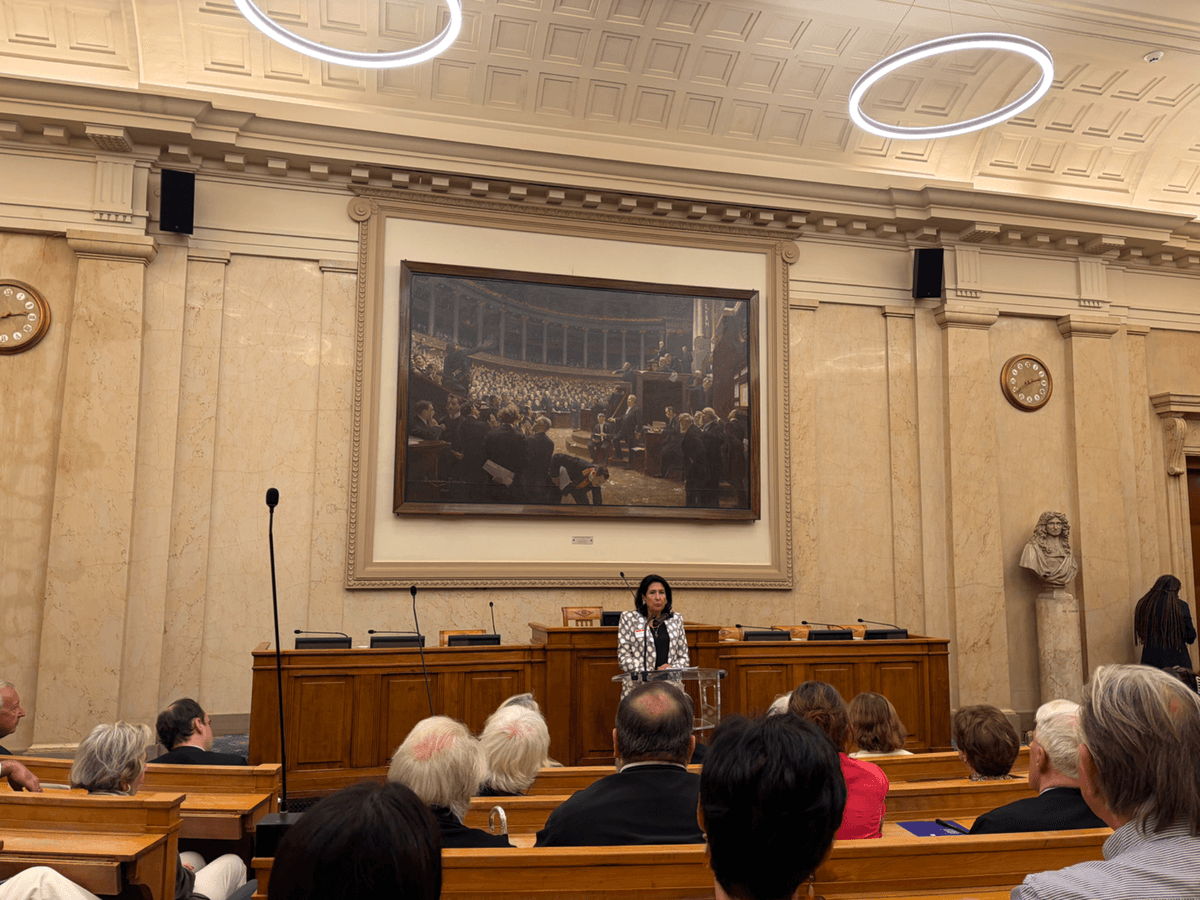
Salomé Zourabichvili, former President of Georgia, addressing the audience at the French National Assembly during the conference
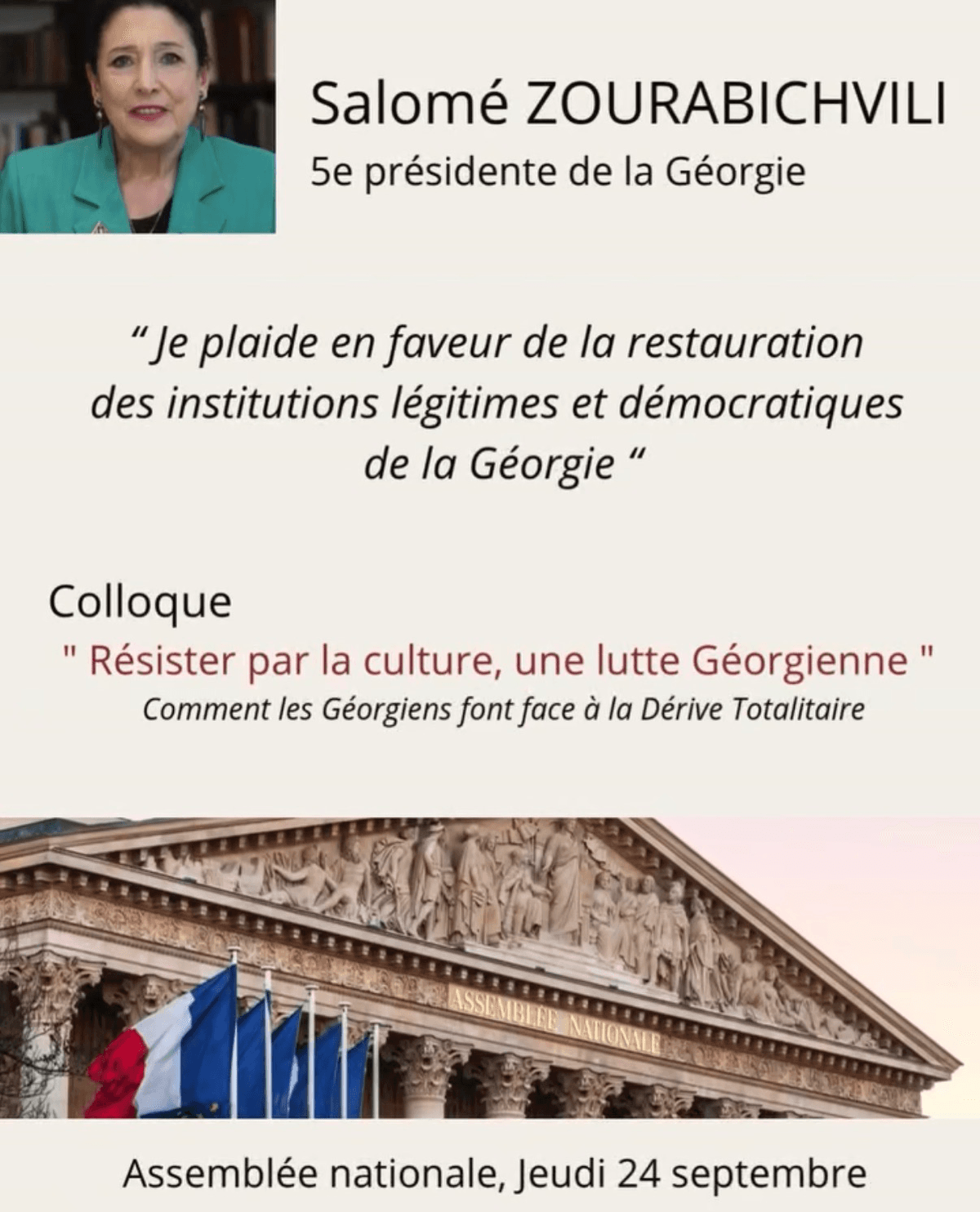
Georgia between Europe, democracy and geopolitical pressure
Throughout the conference, speakers examined Georgia’s current situation within its wider historical and geopolitical context.
The 2008 Russo-Georgian war, Russia’s continuing occupation of internationally recognised Georgian territory, and the wider transformation of the region following Russia’s invasion of Ukraine were central elements of the discussion.
Against this background, several speakers addressed what they described as a growing deterioration of democratic space in Georgia, raising concerns about pressure on civil society, independent media, political opposition and institutional independence. Similar concerns have also been raised in 2026 by the Parliamentary Assembly of the Council of Europe, particularly regarding freedom of expression and assembly and the operating environment for civil society and independent media.
Former President Salomé Zourabichvili spoke about the democratic aspirations of Georgian society and, in particular, of a younger generation determined to live freely and participate in shaping its own future.
Her intervention also highlighted a central idea that resonated throughout the conference: when traditional democratic spaces come under pressure, culture can itself become a form of resistance.
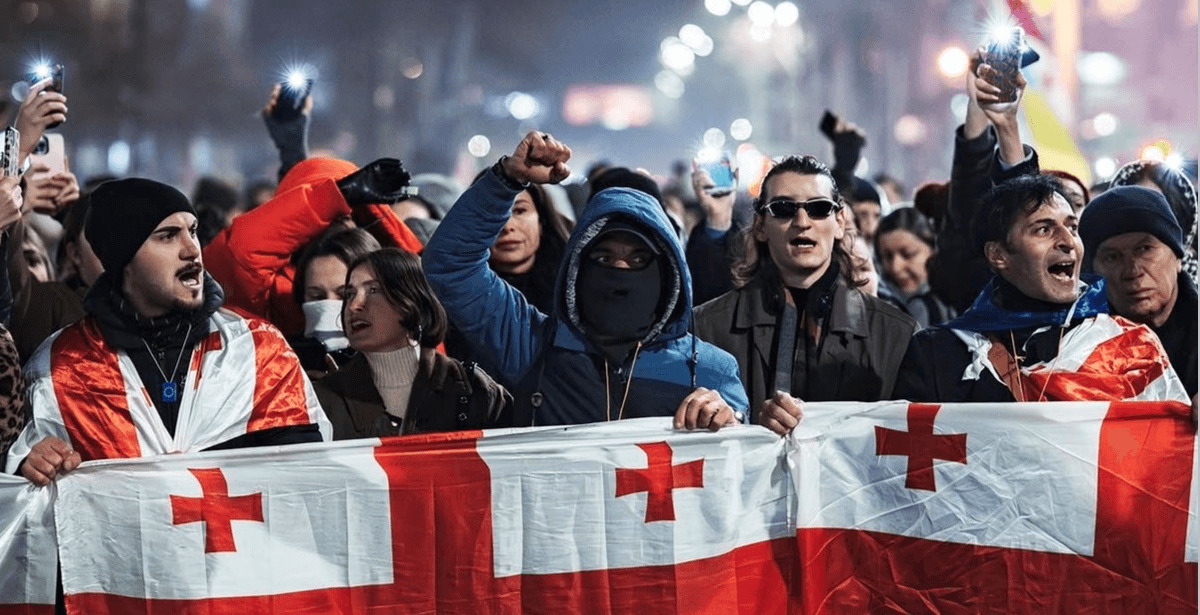
Culture as a space for freedom
Artists, writers, filmmakers, journalists and civil society organisations can do more than document a society’s experience. They can preserve collective memory, challenge dominant narratives and create spaces where ideas can continue to circulate.
This dimension was at the heart of “Résister par la culture”.
The discussion explored how culture and creative expression can preserve spaces for freedom, dialogue and critical thinking, particularly when political and institutional environments become increasingly restrictive.
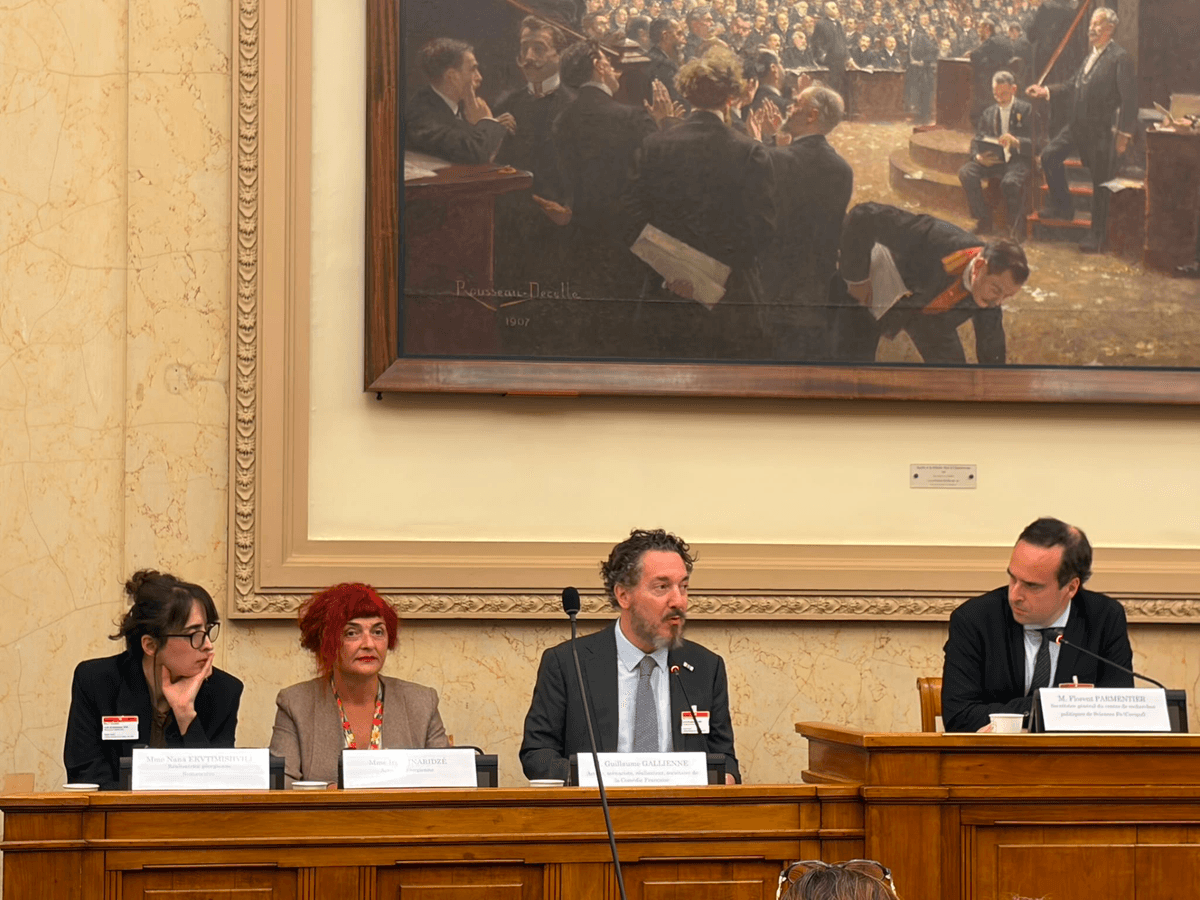
Georgian filmmaker and novelist Nana Ekvtimishvili brought an important cultural perspective to a discussion that went beyond conventional geopolitical analysis. Culture emerged not simply as a reflection of political events, but as a way of preserving voices, experiences and identities during periods of profound uncertainty.
A European question
Georgia’s relationship with Europe was another major theme of the conference.
Speakers reflected on the country’s strong European aspirations and debated the response of European institutions to developments in Georgia. The discussion also addressed the broader regional environment, including relations with Russia, Armenia, Azerbaijan and Türkiye, as well as questions of economic and energy dependence.
Nathalie Loiseau, former French Minister for European Affairs, emphasised the importance of translating political declarations into concrete engagement and raised the question of how European actors can effectively support Georgian civil society.
The discussions underlined a broader question: how can Europe remain credible to societies that continue to look towards it as a reference point for democracy, freedom and international cooperation?

Voices from politics, research and civil society
GYDCA had the privilege of hearing from a diverse group of speakers, including Salomé Zourabichvili, former President of Georgia; Nathalie Loiseau, former French Minister for European Affairs; Florent Parmentier, Secretary-General of CEVIPOF at Sciences Po; Constance Le Grip, Member of the French National Assembly; Eka Gigauri, Executive Director of Transparency International Georgia; Thorniké Gordadzé, former Georgian Minister of State for European and Euro-Atlantic Integration; and Nana Ekvtimishvili, Georgian filmmaker and novelist, among others.
Their different perspectives allowed the conference to connect politics, geopolitics, European integration, civil society and culture, offering a multidimensional understanding of the challenges facing Georgia.
Why this discussion matters to GYDCA
For GYDCA, attending this conference was a valuable opportunity to deepen our understanding of Georgia and the South Caucasus, while engaging with themes closely connected to our mission: youth, intercultural dialogue, diplomacy, international cooperation and the role of civil society.
One message was particularly relevant to our work: young people are not merely observers of political and social change, they are among those who will shape what comes next.
Listening to Georgian, French and European voices at the French National Assembly also demonstrated the importance of creating spaces where political decision-makers, researchers, artists, civil society and younger generations can encounter one another and exchange perspectives.
We are grateful for the opportunity to have attended “Résister par la culture : une lutte géorgienne” and to hear directly from voices closely connected to Georgia’s political, civic and cultural landscape.
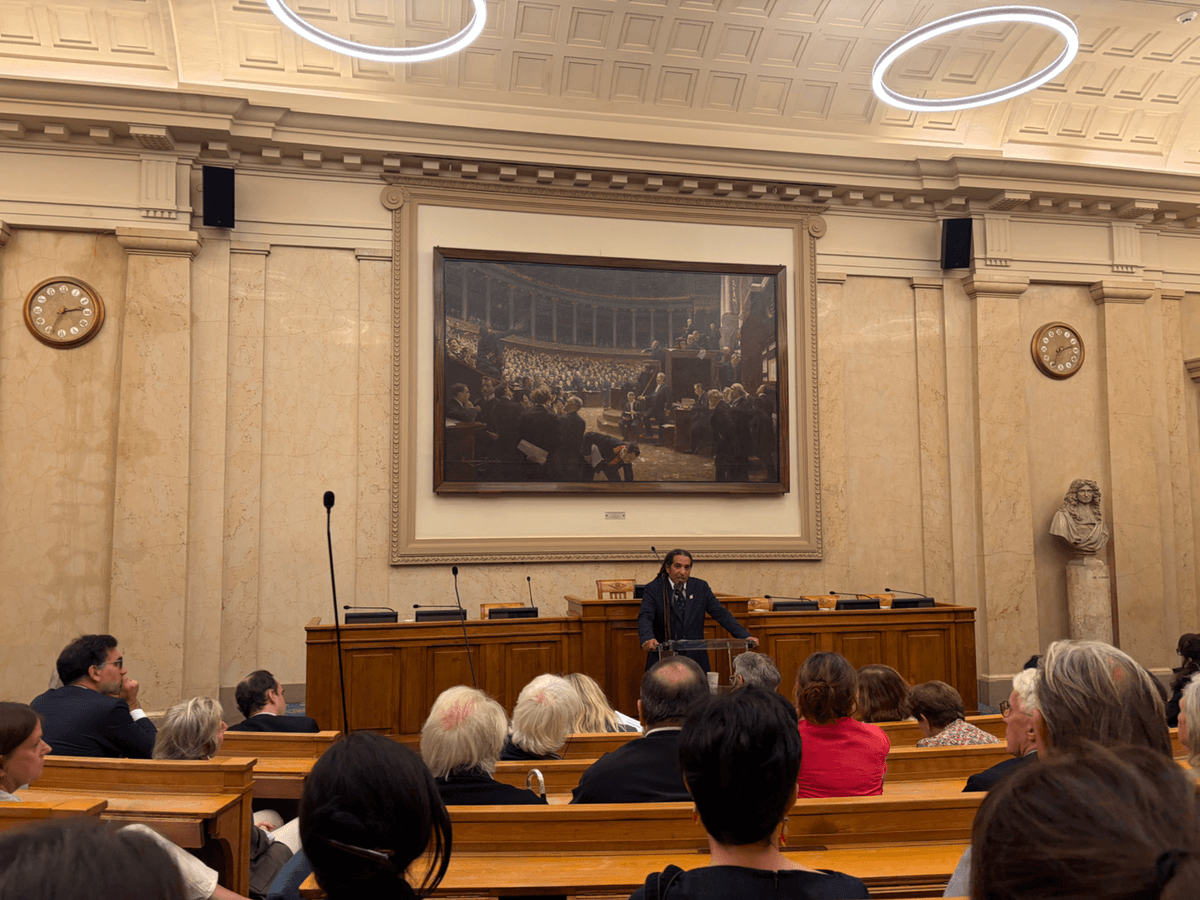
Steevy Gustave, Member of the French National Assembly and President of the France–Georgia Parliamentary Friendship Group
The conference ultimately left us with a powerful reflection: culture can preserve memory, protect spaces for expression and give a voice to those seeking to shape the future of their societies.
For Georgia, where questions of democracy, sovereignty, European integration and geopolitical orientation remain deeply intertwined, these spaces for dialogue continue to matter.
🇬🇪 🇪🇺 Culture can be more than expression. It can become a space for dialogue, memory, freedom and resilience.
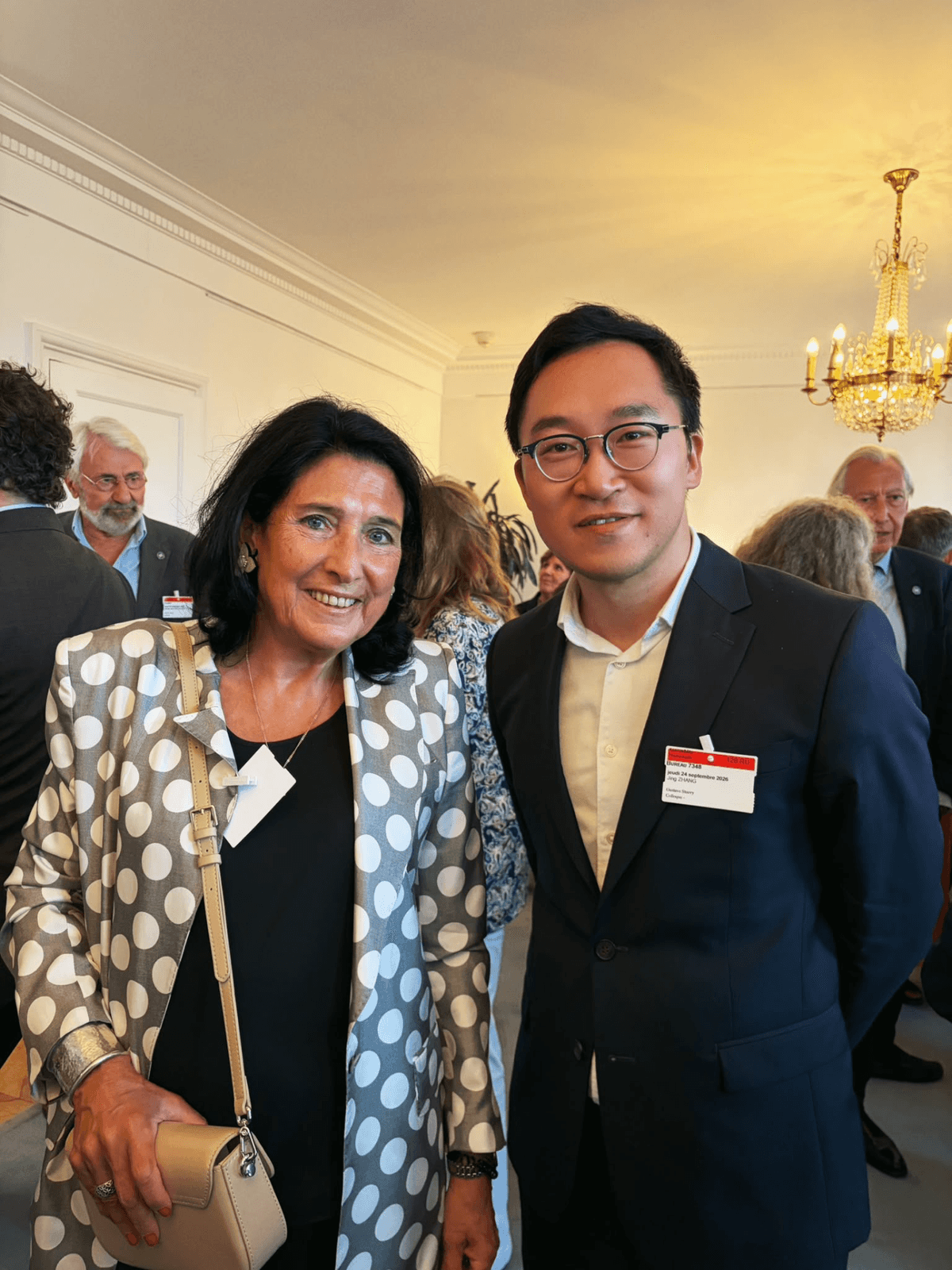
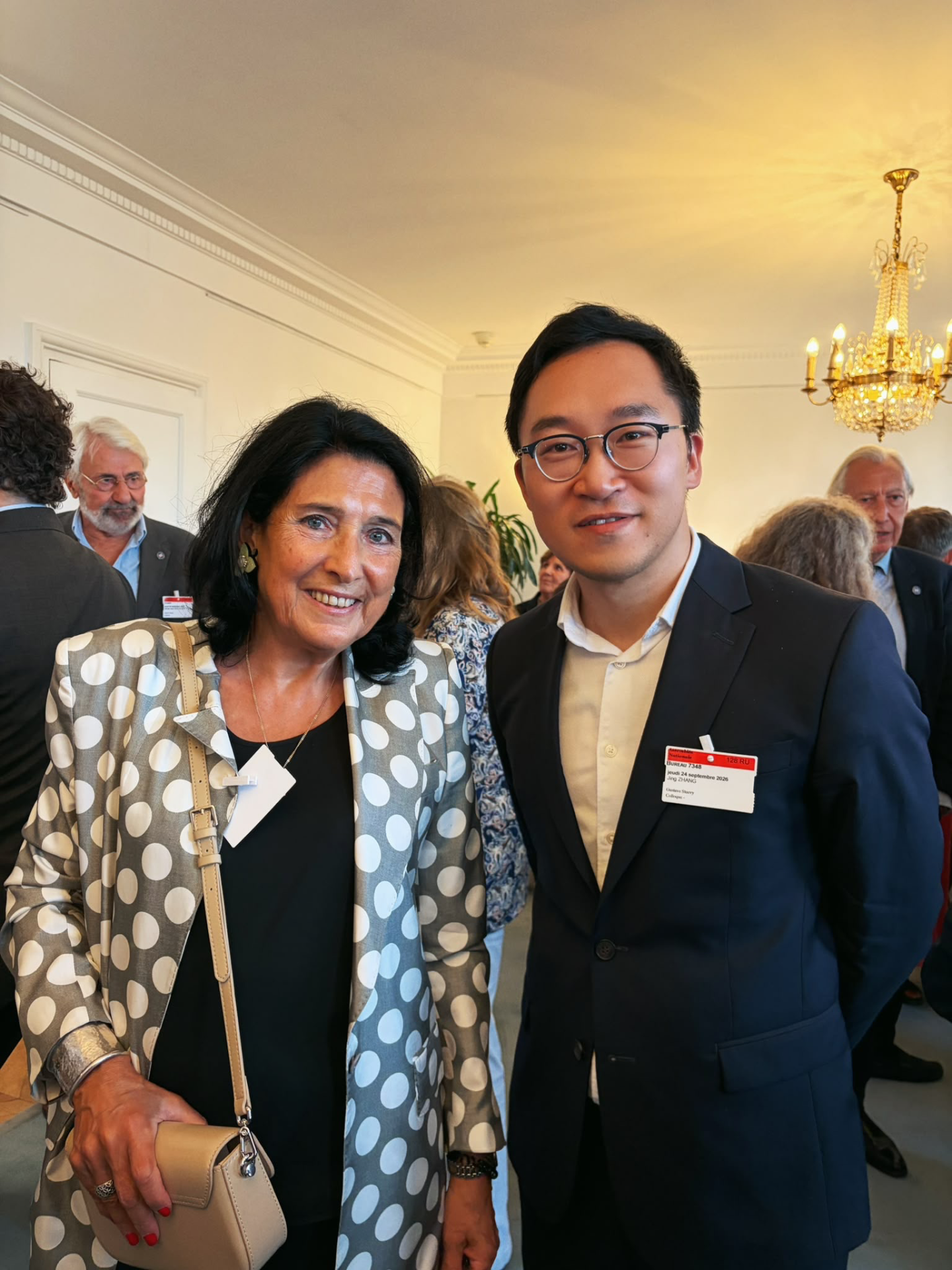
Salomé Zourabichvili (former President of Georgia) and Jing Zhang (Executive President of Global Youth Dialogue Among Civilisations)