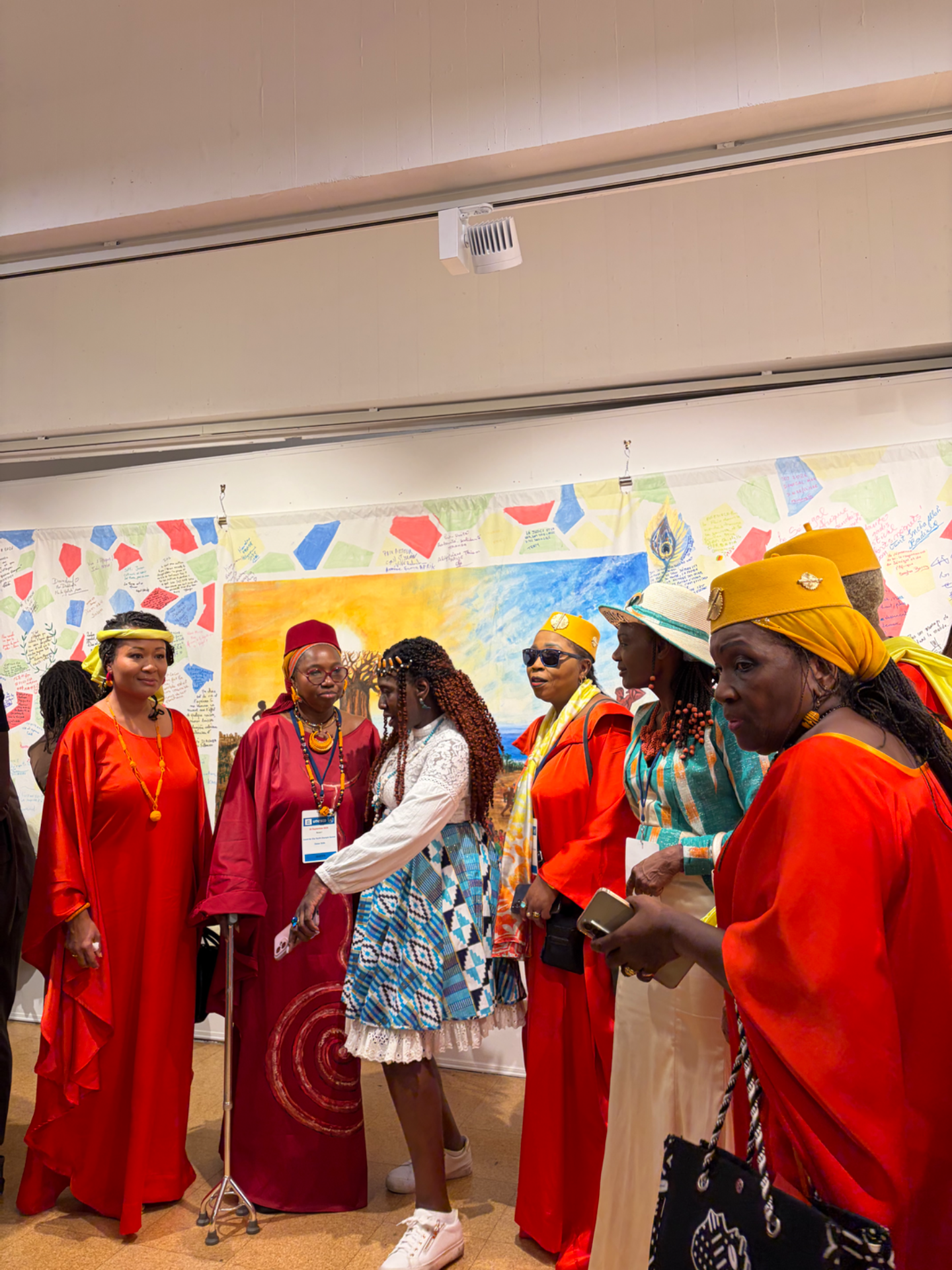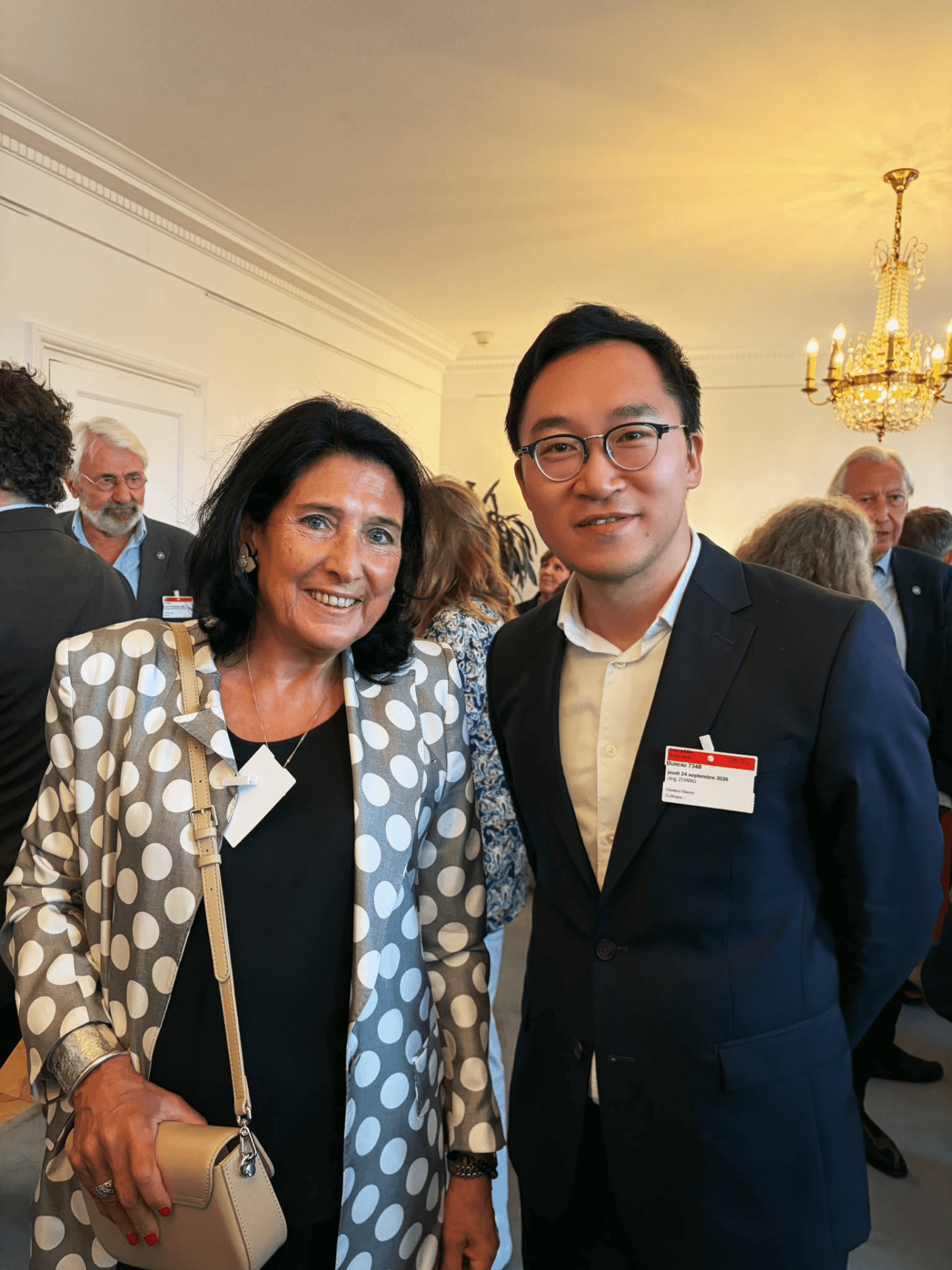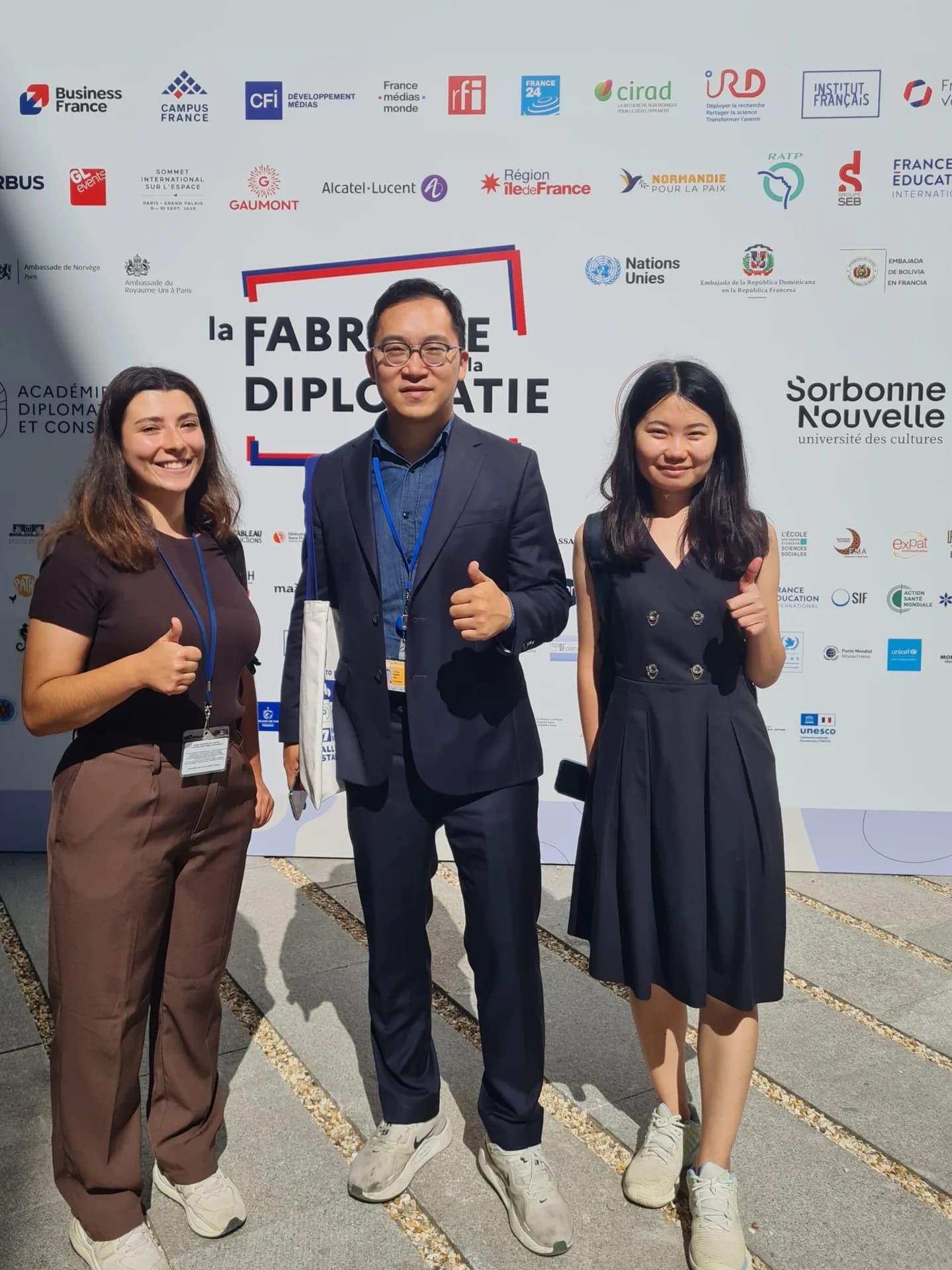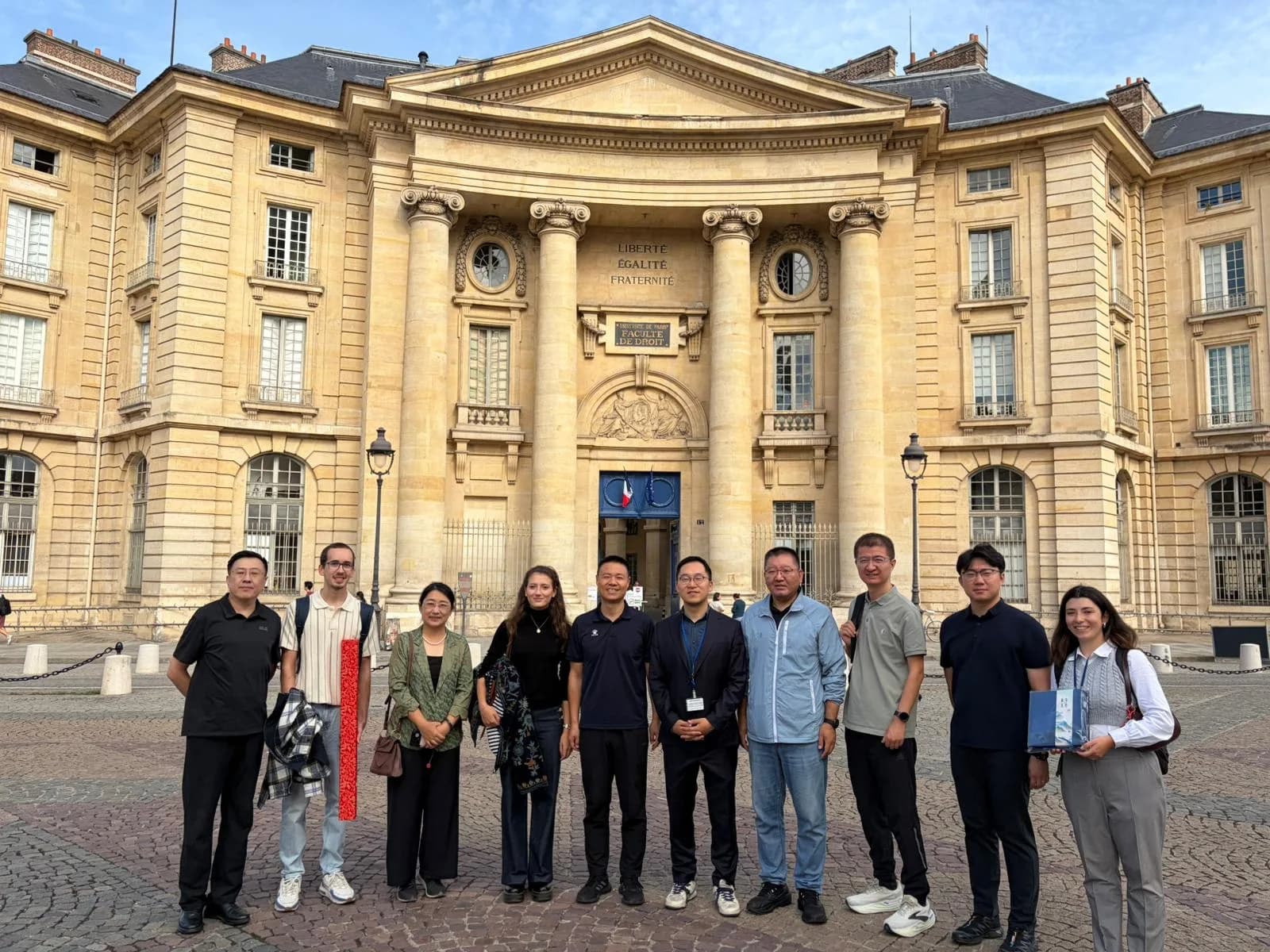

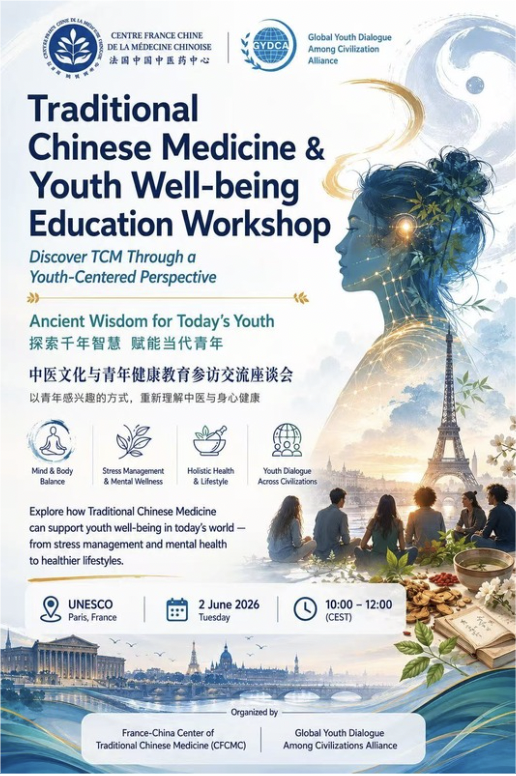
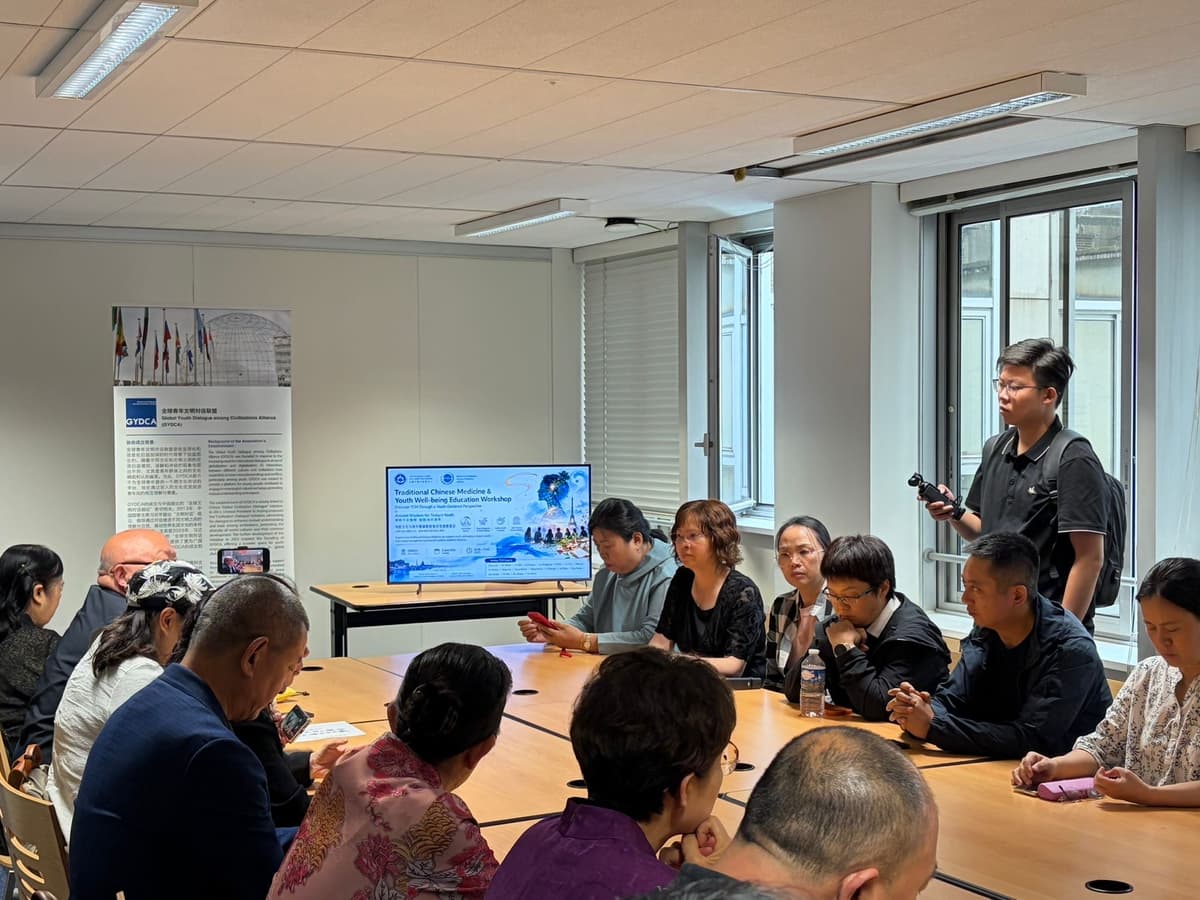
GYDCA organised the Traditional Chinese Medicine & Youth Well-being Education Workshop at UNESCO Headquarters in Paris, bringing practitioners, researchers and young people from a range of cultural backgrounds together to compare approaches to health, well-being and holistic care. The session opened space for intercultural dialogue on how different societies understand the body, illness, prevention and healing. Participants worked through the philosophical and practical distinctions between Traditional Chinese Medicine (TCM) and Western medicine, arriving at the view that the two systems offer perspectives that are valuable and complementary rather than competing.
One thread ran through much of the discussion: could traditional medicine eventually be replaced by artificial intelligence? Working through it interactively, participants made the case that TCM rests on human observation, touch, accumulated experience and the practitioner–patient relationship — none of which technology can reproduce on its own. The workshop turned out to be less a medical discussion than a demonstration of how traditional knowledge can build intercultural understanding, and a prompt for young people to think seriously about well-being, cultural diversity and human-centred approaches to healthcare.