
Paris, October 30, 2026
Young People from Multiple Countries Gather in Paris to Discuss AI Governance, Echoing the Vision of the Global Governance Forum
Participants from more than 20 countries take part in a Model United Nations academic event
On October 30, the second Model United Nations academic event organized by the Global Youth Dialogue Among Civilizations Alliance (GYDCA) was held at UNESCO headquarters in Paris. The event brought together young delegates from more than 20 countries, representatives of partner organizations, media representatives, and volunteers. Under the theme of “Global Cooperation and Intelligent Governance,” participants discussed issues including the establishment of an international regulatory framework for artificial intelligence (AI).
Previously, the 2026 Global Governance Forum (Xiong’an) was held from October 23 to 25 in Xiong’an New Area, Hebei Province, China. The Forum Vision Document released at the event proposed strengthening the United Nations’ role as a central platform for global AI governance, promoting the sharing of technological achievements and experience, addressing technological and ethical risks, and building mutual trust in governance through dialogue among civilizations. These topics were also central to the discussions among young participants at the Paris event.
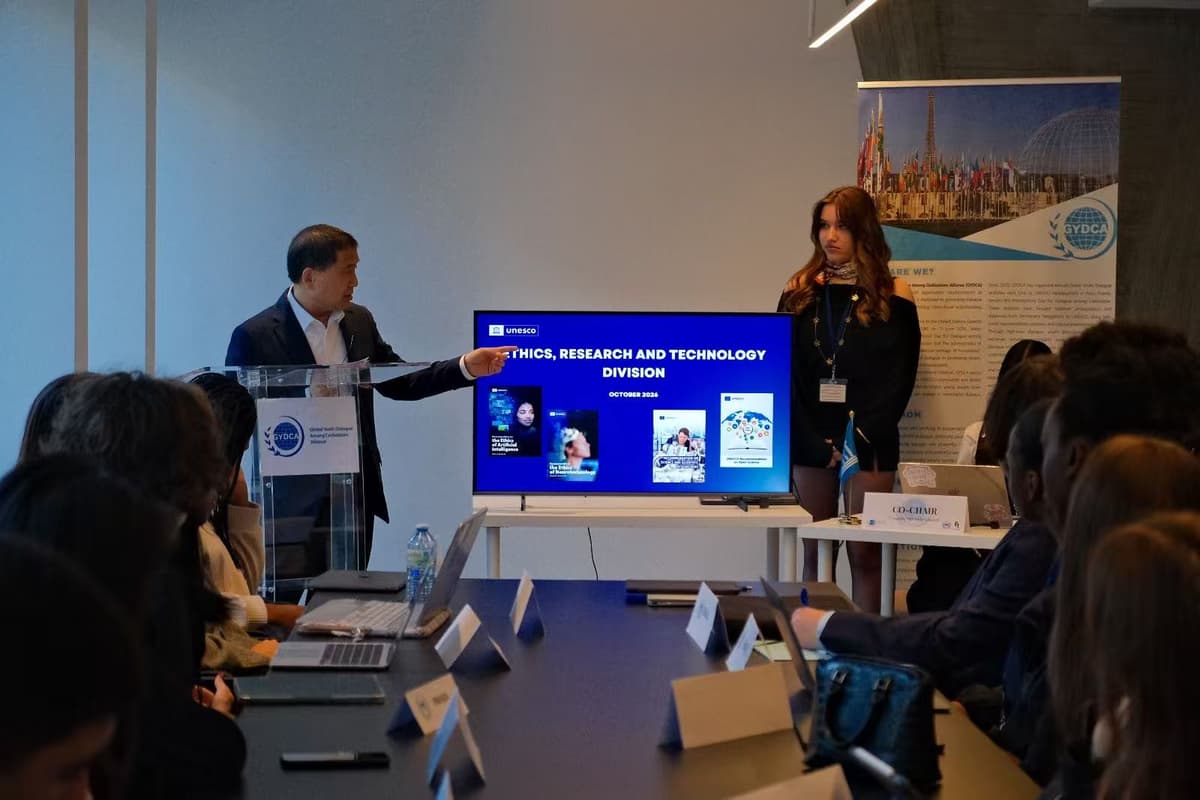
The keynote session introduced key issues relating to artificial intelligence ethics. Photo provided by the Global Youth Dialogue Among Civilizations Alliance.
Hu Shaofeng, Director of the Division of Ethics, Research and Technology at UNESCO's Science Sector, was invited to deliver the opening keynote address. Focusing on how science and technology can better serve humanity, society, and the planet, he addressed issues related to science policy, basic sciences, and the ethical governance of science and technology. He also introduced UNESCO's work in leading the International Decade of Sciences for Sustainable Development, promoting AI ethics and neurotechnology ethics, and fostering international cooperation in quantum science and technology.
During the Model United Nations session, participants took part in a simulated committee of the United Nations Economic and Social Council (ECOSOC). Under the topic of “Establishing an International Regulatory Framework for Artificial Intelligence,” young delegates represented different national positions and engaged in presentations, debates, and negotiations on regulatory coordination, risk prevention, and inclusive access to technology. They explored how to balance AI innovation and development with effective governance, as well as how countries could work together to address shared challenges.
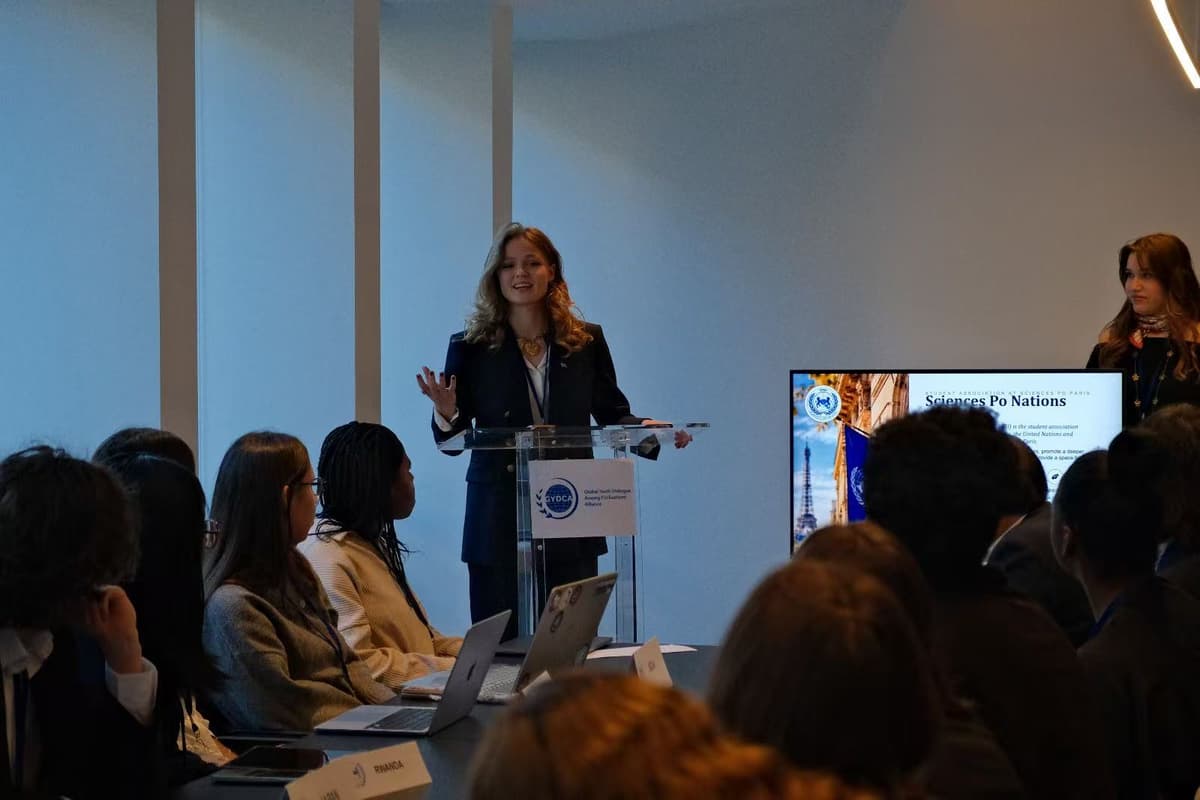
Amélia Pagan, representing the United Nations Association at Sciences Po Paris
Qing Chenglin, representing the Joint Institute for Future Humanity Studies between Renmin University of China and Westlake University, and Amélia Pagan, representing the United Nations Association at Sciences Po Paris, also delivered remarks. They shared their perspectives on supporting academic exchanges among young people and encouraging youth participation in dialogue on international issues.
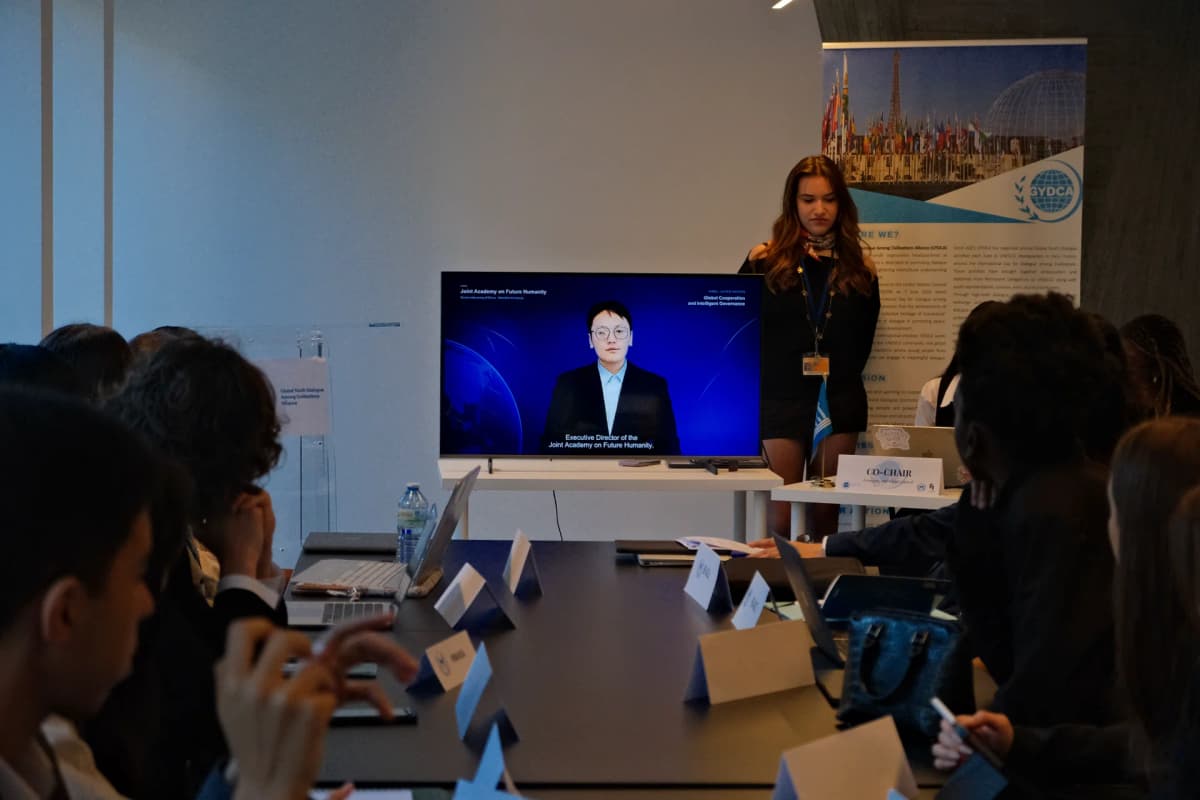
Qing Chenglin, representing the Joint Institute for Future Humanity Studies between Renmin University of China and Westlake University and the event organizer Emilie Wojcieszko
In his opening remarks, Zhang Jing, Executive President of the Global Youth Dialogue Among Civilizations Alliance, noted that the themes of international cooperation and dialogue among civilizations emphasized at the Xiong’an Forum closely aligned with the theme of this event. He stated that the Alliance hopes to translate the relevant principles outlined in the Forum Vision Document into concrete actions that enable young people to participate in global governance, transforming discussions on key issues into sustained dialogue and practical cooperation.
The event was jointly organized by the Global Youth Dialogue Among Civilizations Alliance, the Joint Institute for Future Humanity Studies of Renmin University of China and Westlake University, and the United Nations Association at Sciences Po Paris.
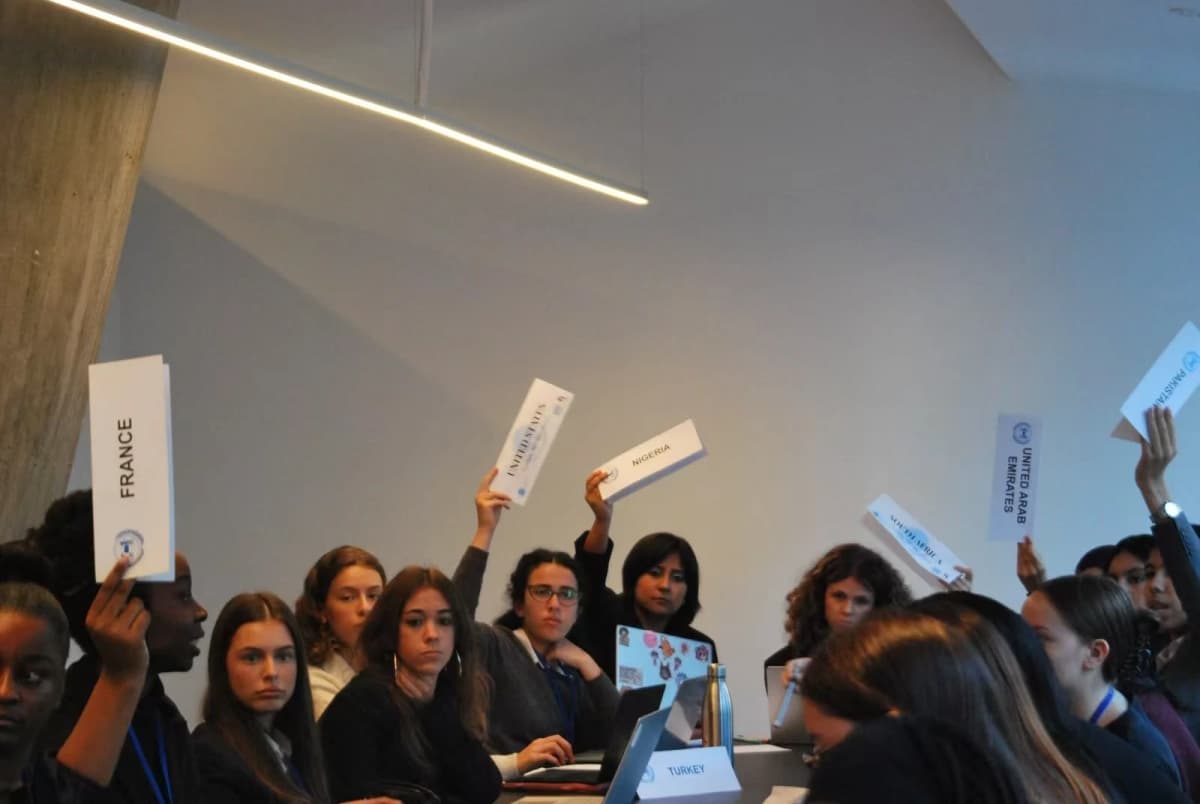
Young delegates engage in simulated negotiations on international AI governance. Photo provided by the Global Youth Dialogue Among Civilizations Alliance.
By combining exchanges on science policy with simulated multilateral negotiations, the event provided young participants with a practical setting in which to learn about international rules and develop cross-cultural communication skills. It also established a platform for Chinese university research institutions and international youth organizations to strengthen exchanges and cooperation on global governance issues.
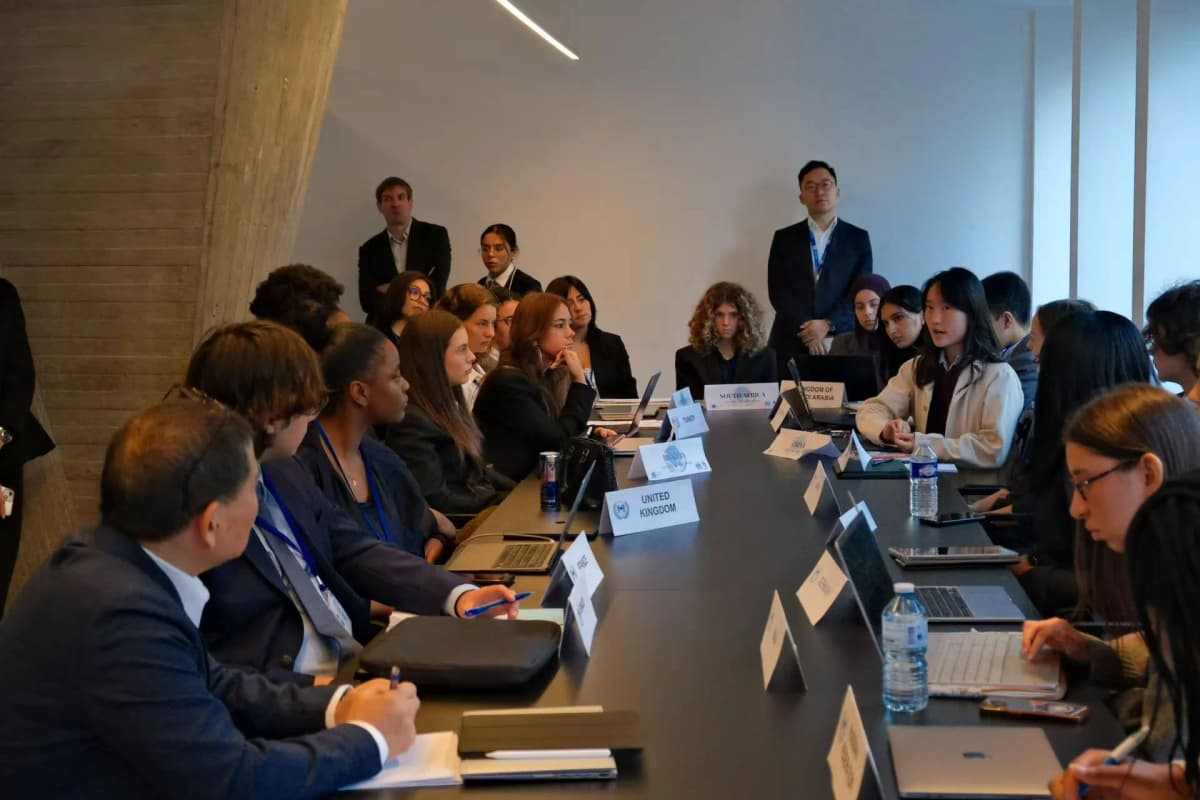
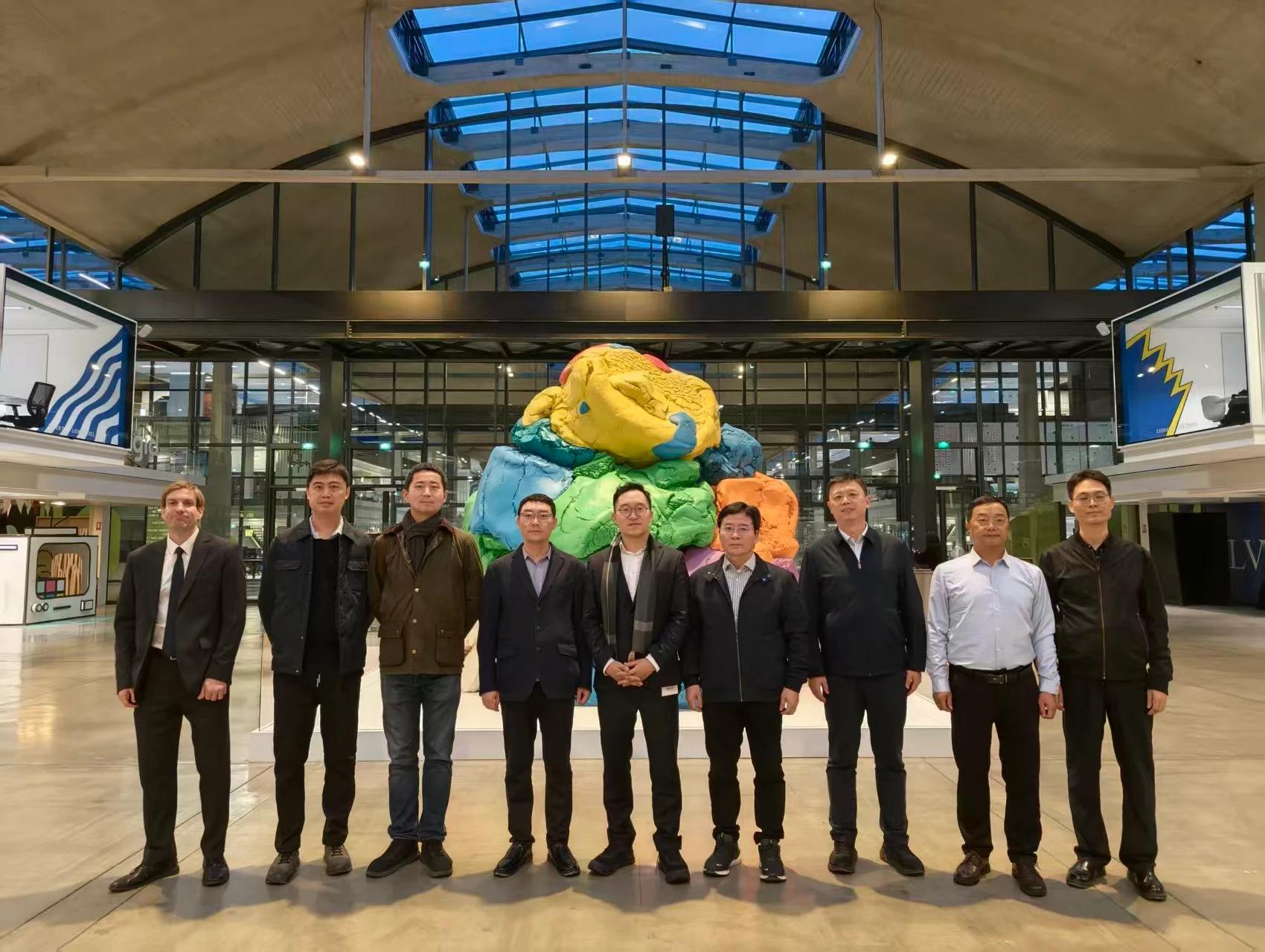
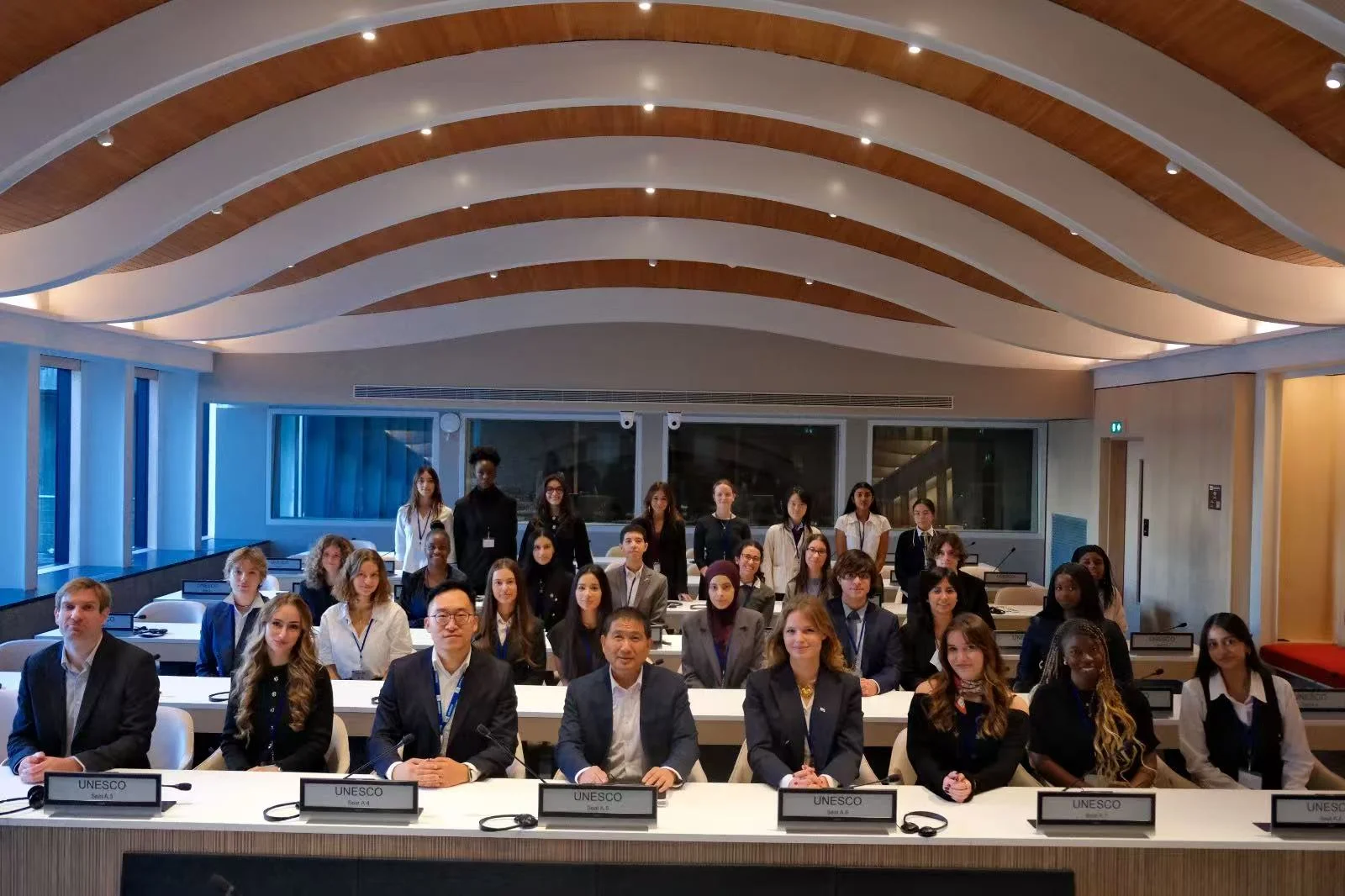
Some of the participants and young delegates. Photo provided by the Global Youth Dialogue Among Civilizations Alliance.