
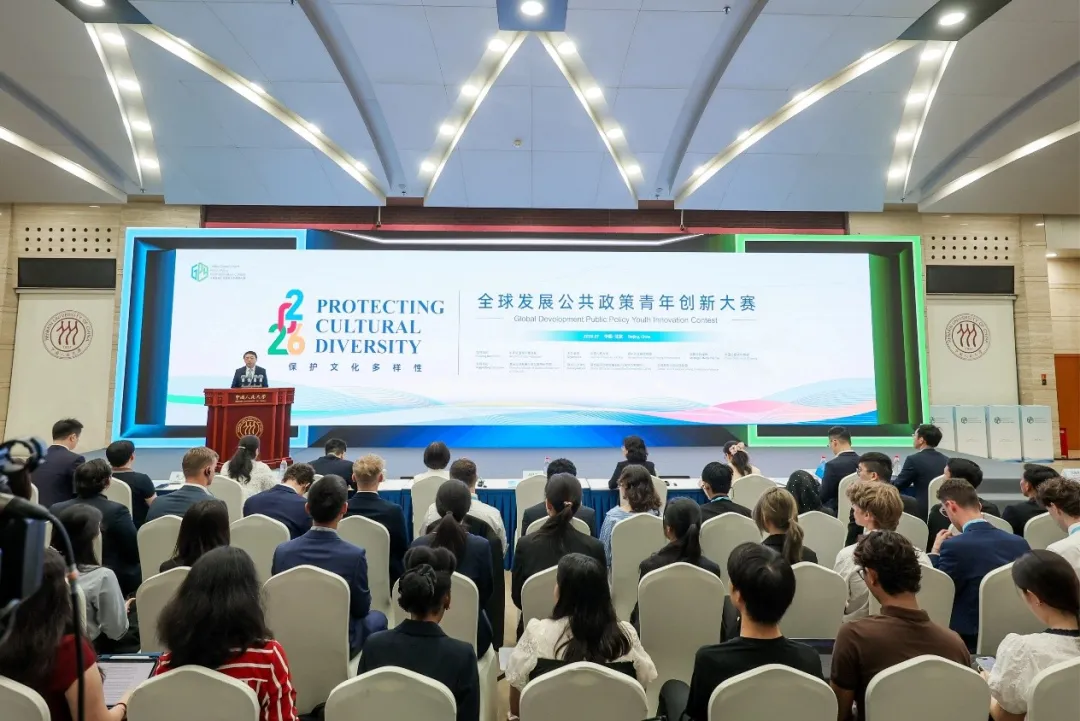
The finals of the Second Global Development Public Policy Youth Innovation Competition were held at Renmin University of China (RUC). Built around the theme “Protecting Cultural Diversity,” this year’s edition invited young people worldwide to put forward innovative public policy solutions. It drew more than 4,000 students from over 200 universities across nearly 70 countries and regions on six continents.
Opening Ceremony
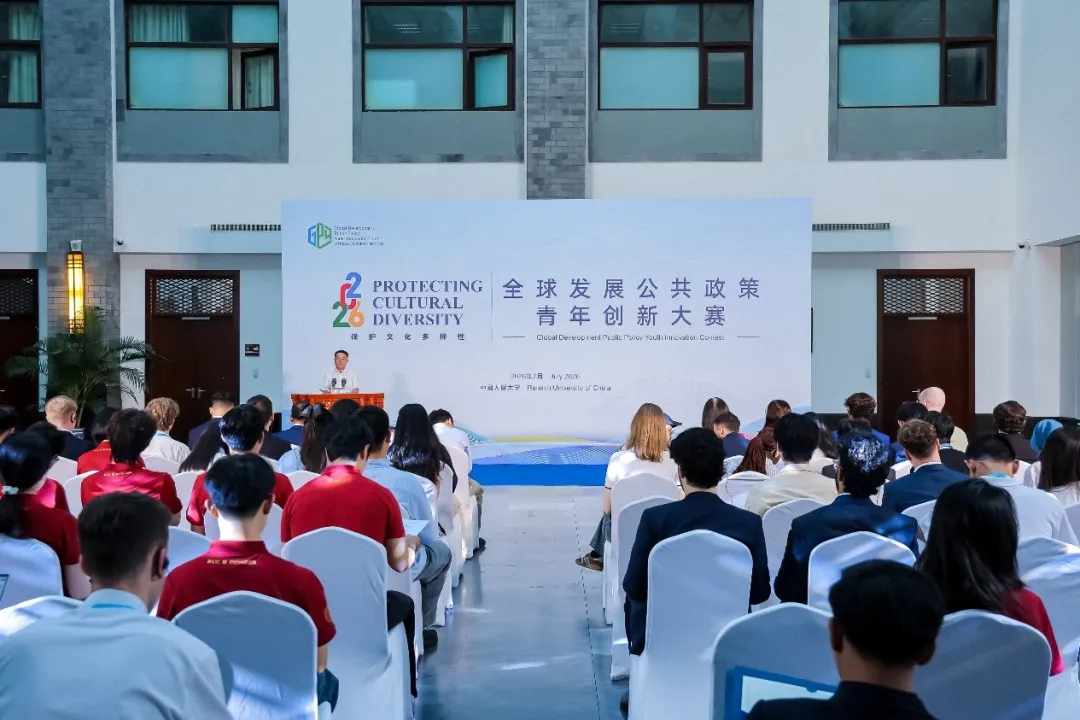
The opening ceremony ran on the morning of 21 July. Among those attending were Ma Huaide, President of Renmin University of China; Dong Xia, Deputy Secretary-General of the All-China Youth Federation; Liu Weiling, Deputy Editor-in-Chief of China Daily; Gao Ling, Executive Director of the United Nations Sustainable Development Goals and Leadership Development Center; and Zhang Jing, Executive President of the Global Youth Dialogue Alliance. Fabrizio Hochschild, former United Nations Under-Secretary-General and Special Adviser to the UN Secretary-General, delivered a video address. Representatives of the 21st Century newspaper, member institutions of the University Alliance for Youth Diplomacy, and the 15 finalist teams also attended.
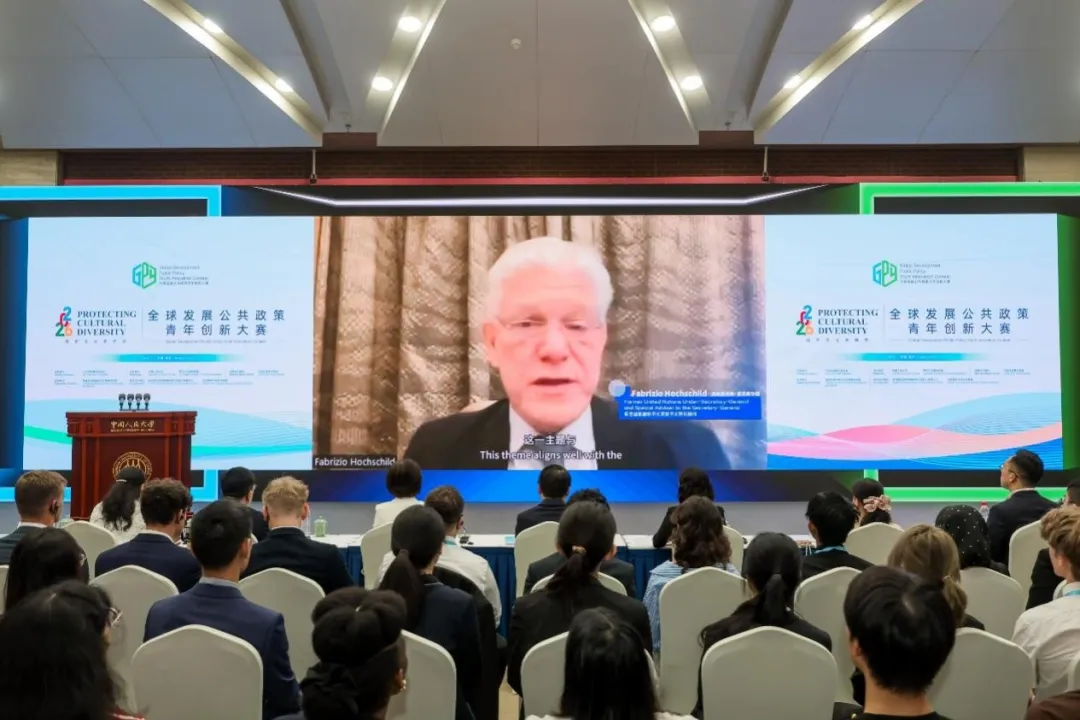
In his video message, Fabrizio Hochschild described cultural diversity as a shared inheritance of humanity and a foundation for inclusive, equitable and sustainable development. The competition, he said, gives young people a valuable route from innovative ideas to workable public policy, encouraging intercultural dialogue, mutual trust and collective responses to global problems. He urged participants to learn from one another and build global consensus toward the UN Sustainable Development Goals (SDGs) by 2030.
President Ma Huaide cited President Xi Jinping’s call to use artificial intelligence to deepen understanding among civilizations and mutual learning. Digital technologies have opened new possibilities for preserving heritage, he noted, but have also brought problems such as cultural homogenisation and algorithmic bias. Against that backdrop, protecting cultural diversity has become a global governance question needing effective public policy and active youth involvement. He encouraged participants to take up intercultural dialogue, widen their global perspective while staying grounded in local practice, and find new ways to apply emerging technologies to cultural preservation.
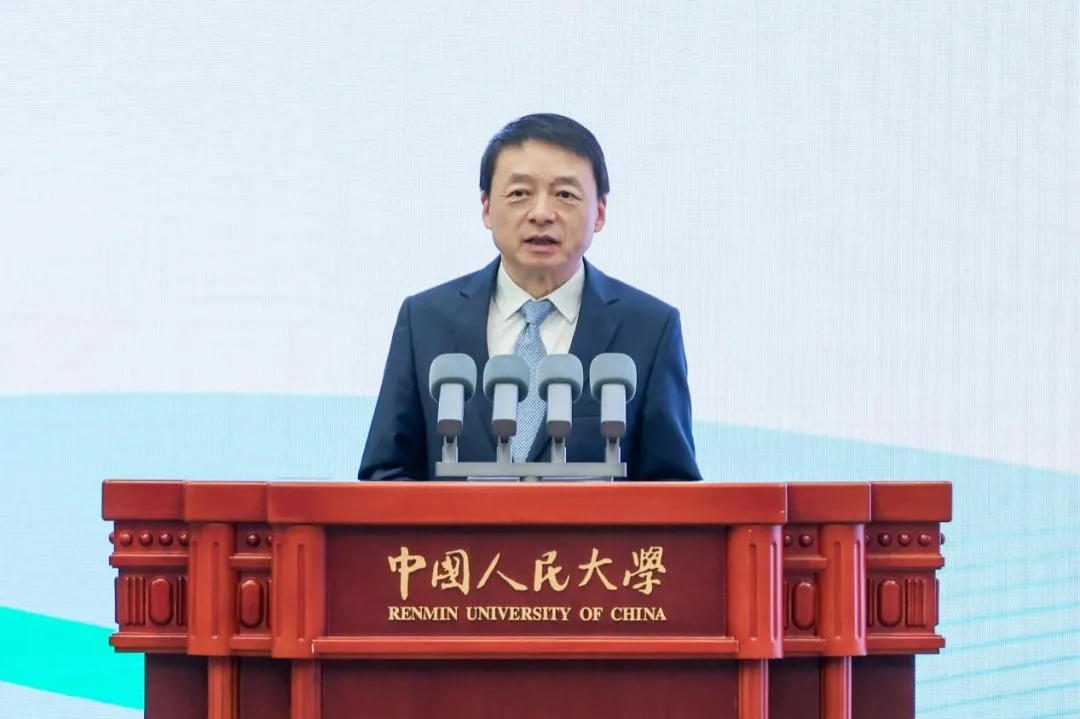
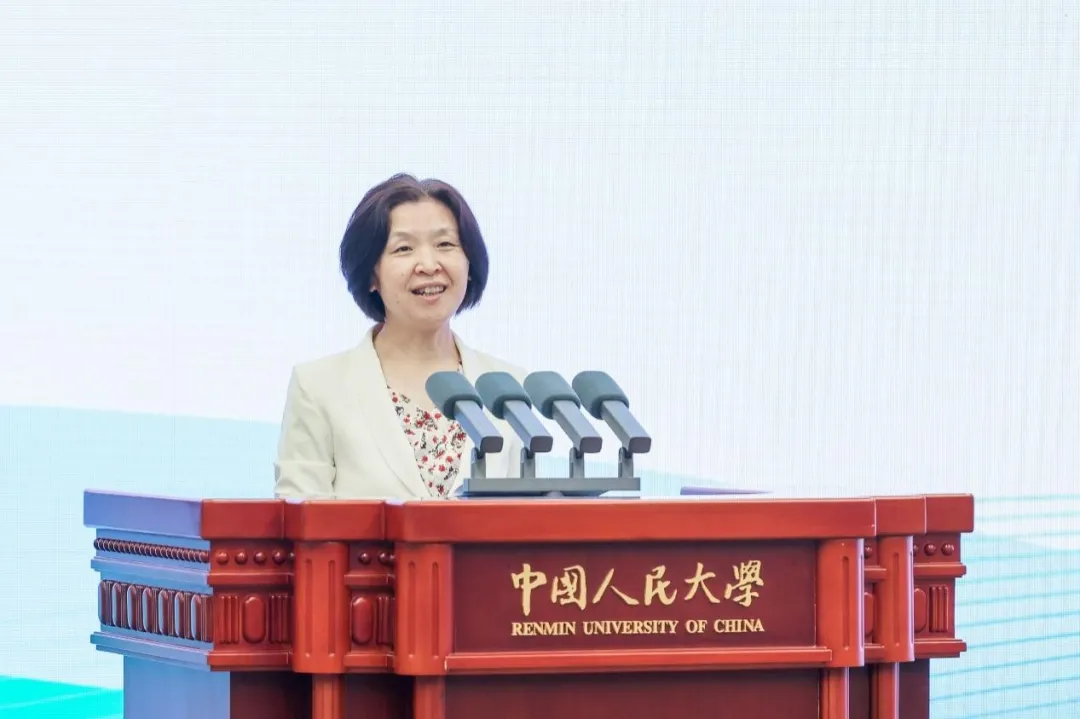
Dong Xia said young people are not only inheritors of civilization but pioneers of the future, and pointed to the competition as a platform for youth participation in the Global Development Initiative, the Global Security Initiative, the Global Civilization Initiative and the Global Artificial Intelligence Governance Initiative. She encouraged participants to broaden their horizons, respect cultural diversity, and turn competition ideas into practical projects.
Liu Weiling noted that the competition gives young people an international platform to exchange ideas, develop their capabilities and bring fresh perspectives to global cultural governance. She reaffirmed China Daily’s commitment to promoting dialogue between China and the world, and its continued support for showcasing innovative practice in cultural diversity protection.
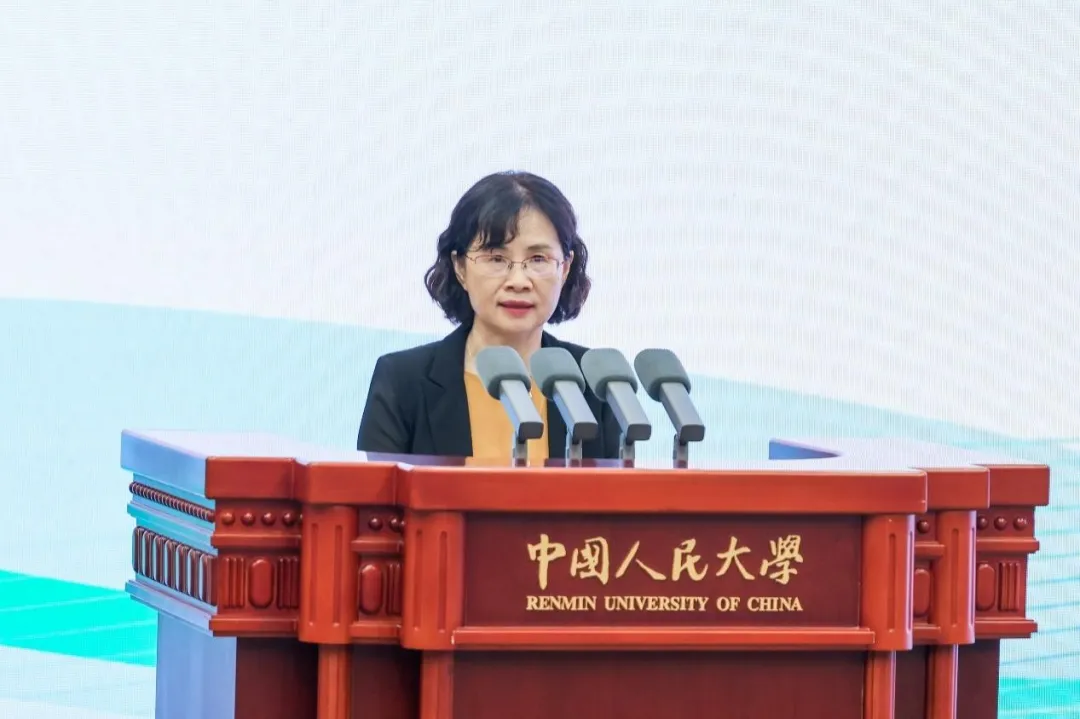
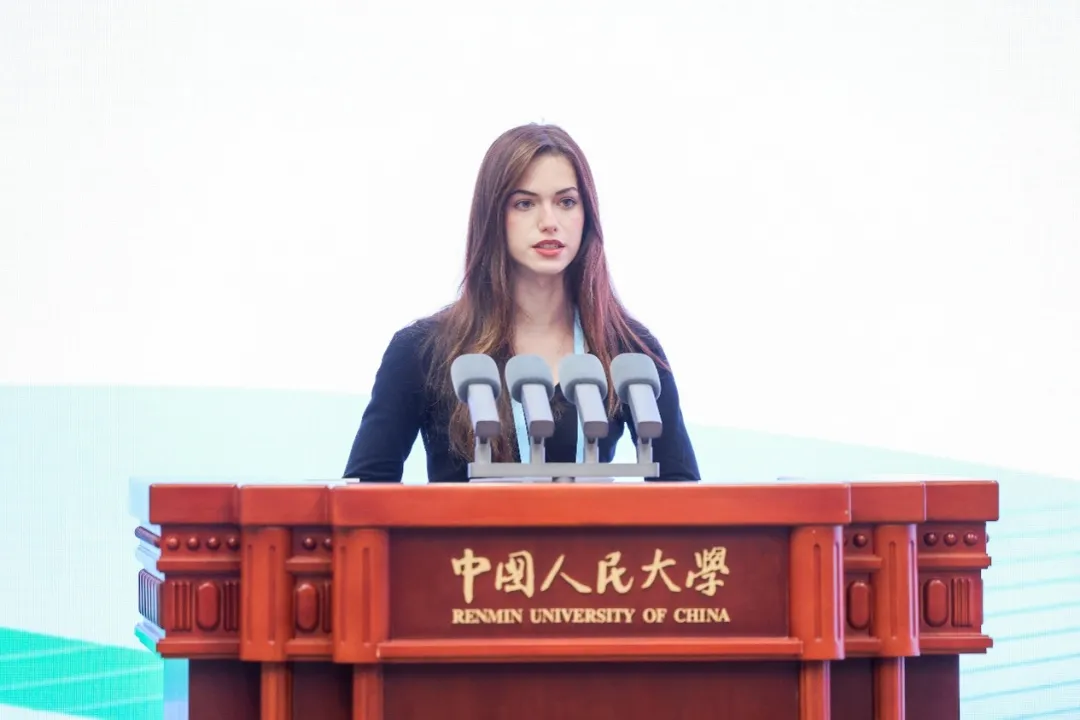
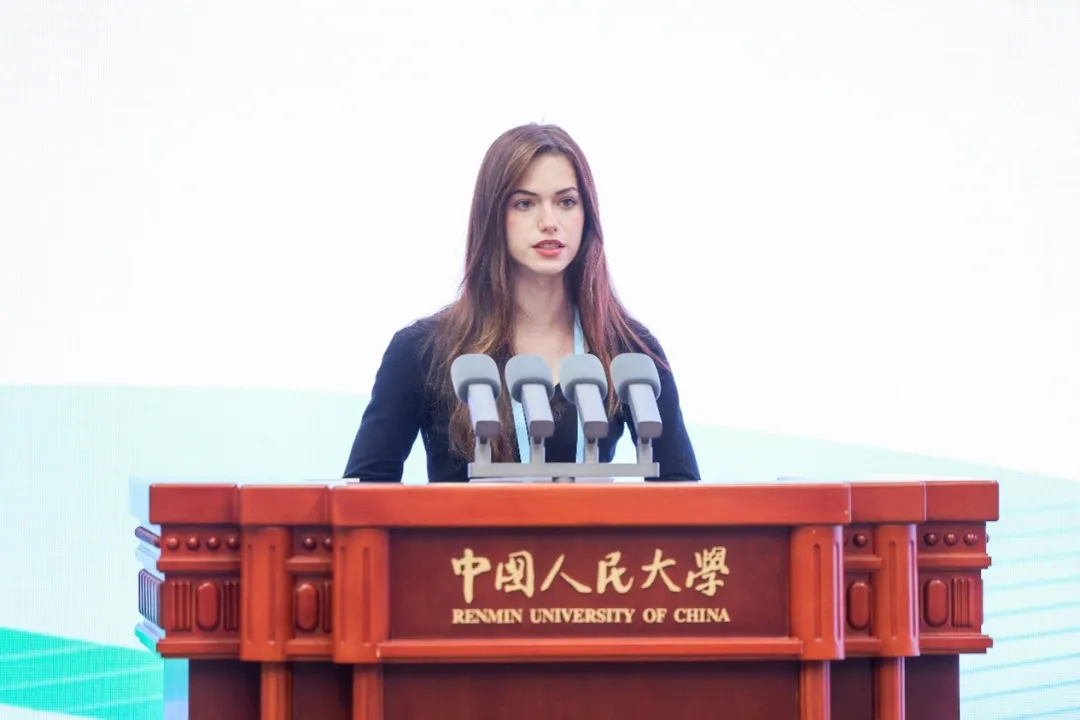
Representing the finalists, Yara Nieves Handschin of the University of Oxford argued that institutionalised heritage protection turns personal appreciation into shared public commitment. She hoped the competition would deepen participants’ understanding of heritage preservation across different social contexts and strengthen international cooperation among young people.
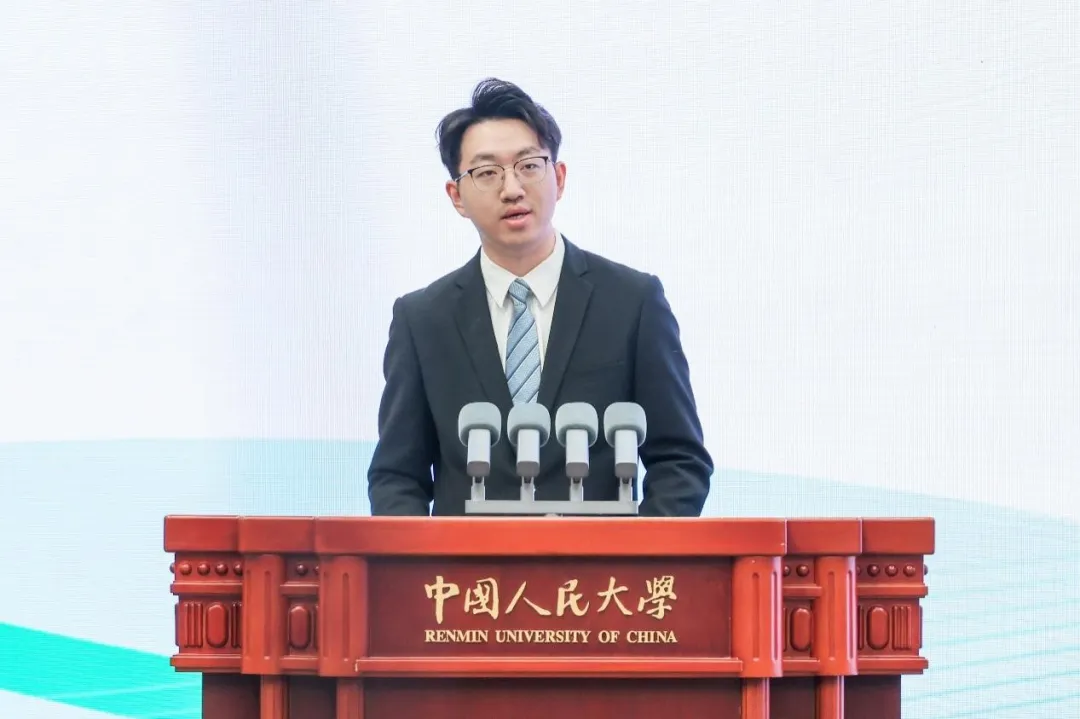
Volunteer representative Xiong Yangjian, a student at Renmin University of China, reflected on the Chinese philosophy of harmony without uniformity, stressing openness, mutual respect and trust as the way past prejudice and misunderstanding. He encouraged participants to work together in safeguarding the diversity of world civilizations.
Competition Publication Released
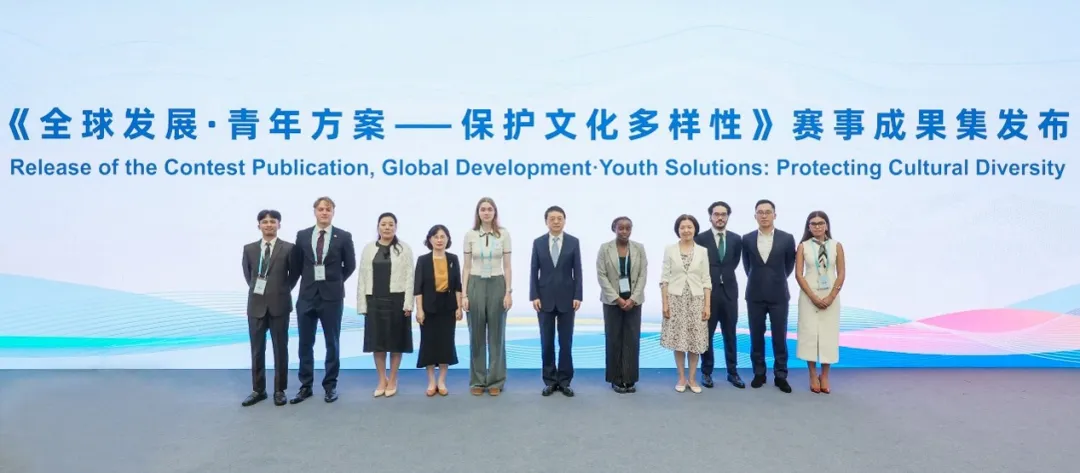
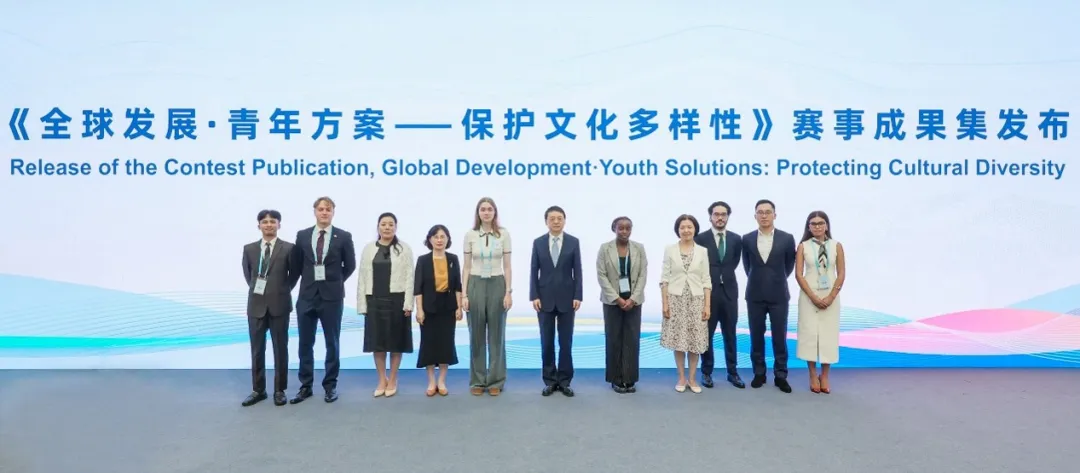
During the ceremony, Ma Huaide, Dong Xia, Liu Weiling, Gao Ling, Zhang Jing and representatives of the finalist teams jointly launched the competition publication, Global Development · Youth Solutions – Protecting Cultural Diversity. Drawn from 866 submissions, it collects 53 outstanding policy proposals covering four dimensions: better governance, smoother exchange, deeper integration, and broader inclusion.
Final Presentations and Evaluation
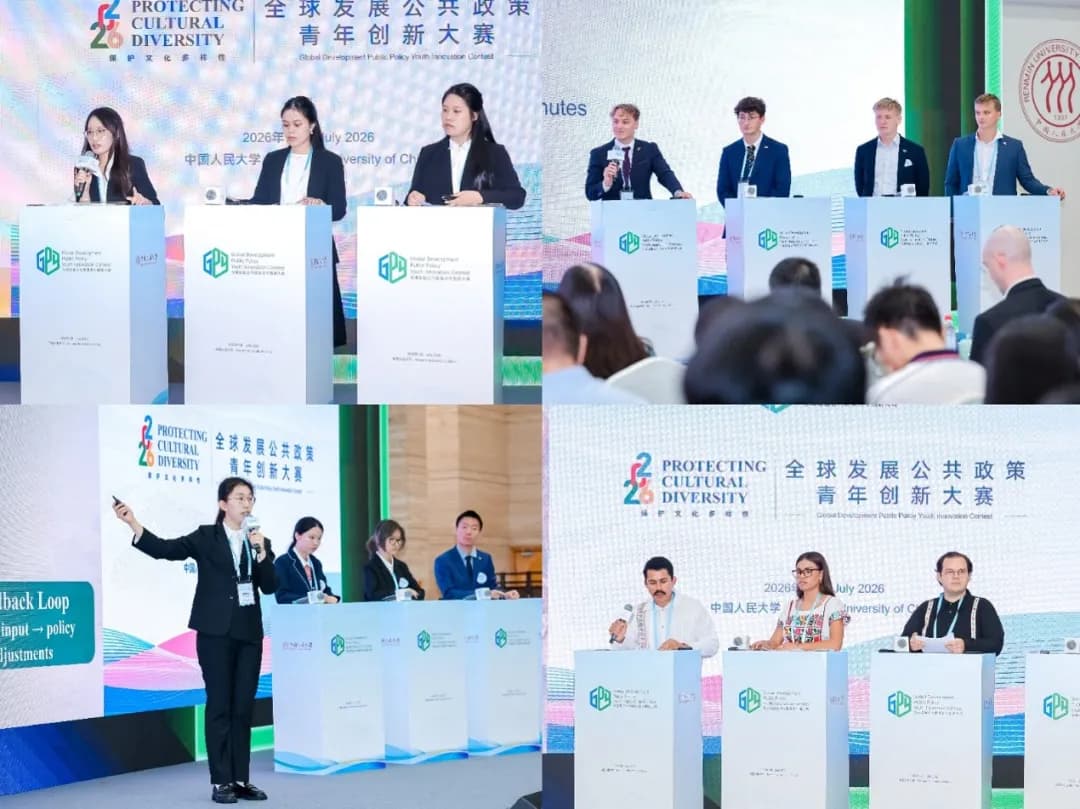
From 21 July to the morning of 22 July, the 15 finalist teams presented their policy proposals and took part in live defence sessions. An international panel of experts and scholars from the University of Minnesota Duluth, Pontifical Catholic University of Peru (PUCP), Renmin University of China, Beijing University of Posts and Telecommunications and China Daily provided evaluations and feedback.
Awards Ceremony
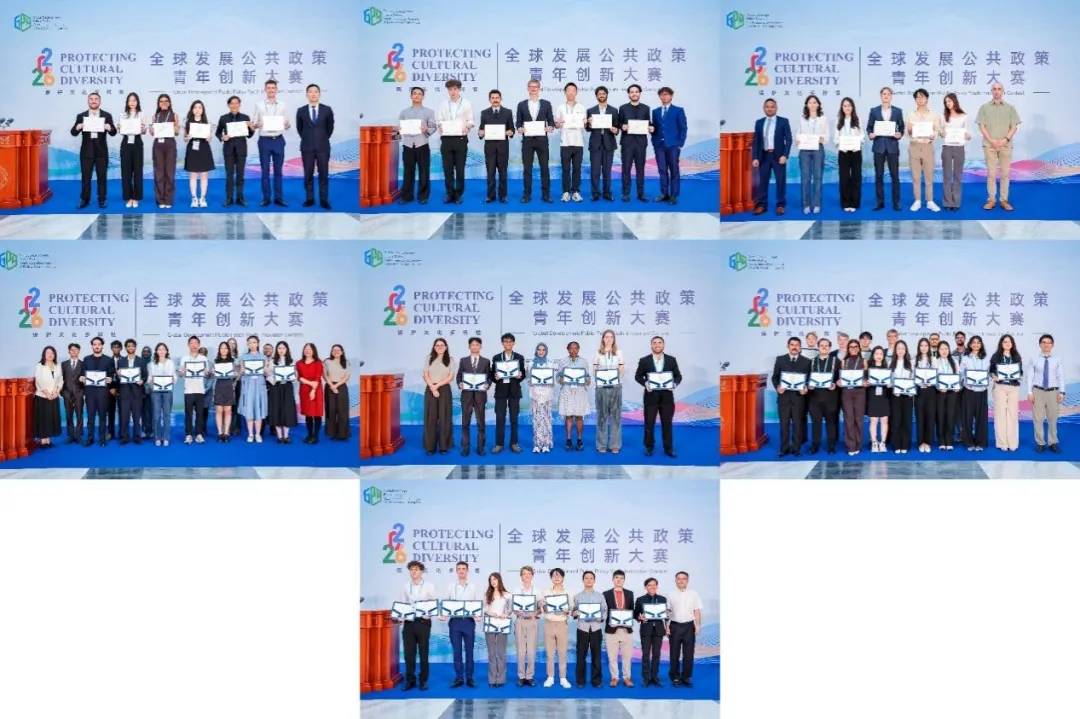
The awards ceremony took place on the evening of 22 July, with remarks from Zhi Xiaoqiang, Vice President of Renmin University of China. Awards were presented by Zhang Jing (Executive President of GYDCA), Ngoun Sovannmakara of the United Nations Sustainable Development Goals and Leadership Development Center, Professor Hairong Feng (University of Minnesota Duluth), Professor Nifta Lau (Pontifical Catholic University of Peru), Professor Zhang Youlang, Professor Tian Lili and Devon Cellars of Renmin University of China. Professors Zhang Youlang and Nifta Lau gave concluding comments.
After the jury’s deliberations, First Prize went to the University of Oxford and the City University of Hong Kong. Five teams received Second Prize and eight teams Third Prize, alongside a number of individual awards and special team awards for excellence in policy presentation, implementation potential and field research.
Read the full list of award winners
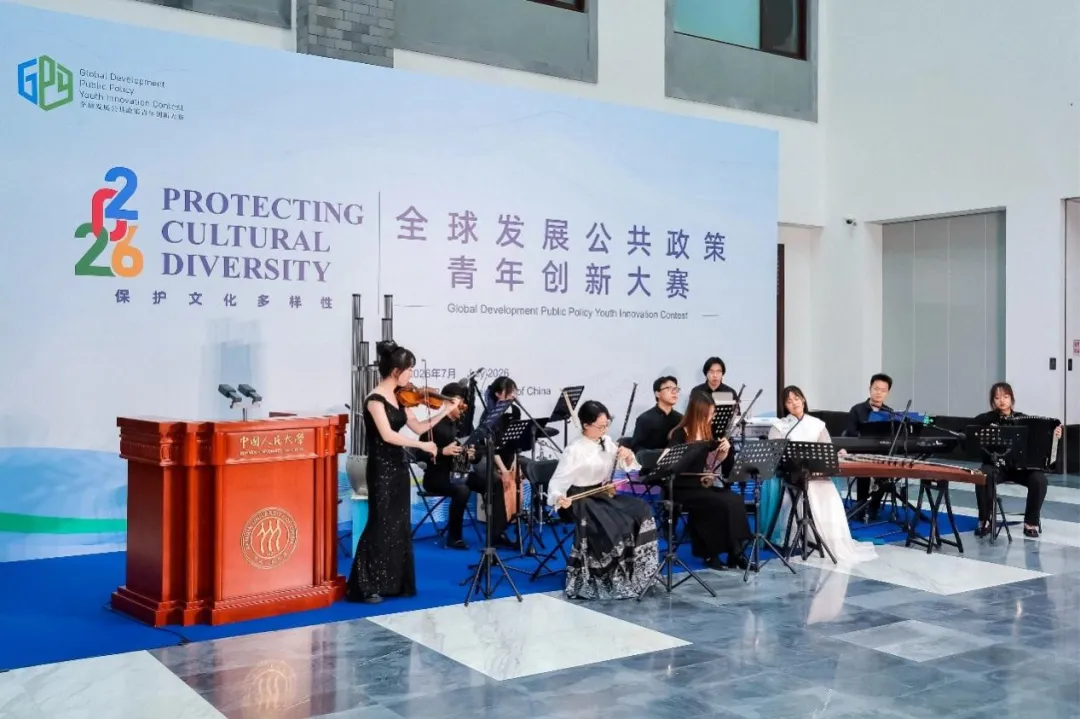
The ceremony closed with a musical performance titled “Harmony in Diversity: Celebrating Shared Beauty” by the Renmin University of China Student Art Troupe, featuring works including One World, One Family, The Emerald Maiden, The Butterfly Lovers, Passionate Tango and Jasmine Flower.
Field Research Program
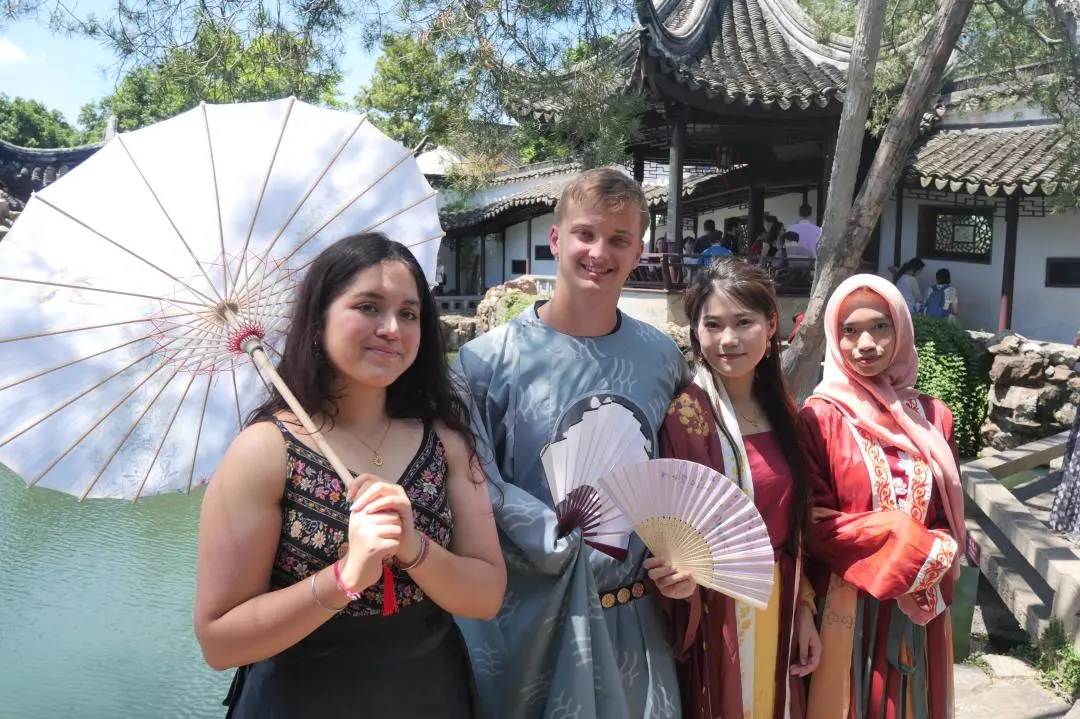
From 23 to 26 July, participating teams joined the “Journey for Global Development” field research program in Beijing and Suzhou. Site visits and expert discussions let participants examine how cultural heritage can be preserved and integrated into contemporary development, with a first-hand look at China’s approaches to sustainable development and cultural governance.
Find out more about the field research program
About the Competition
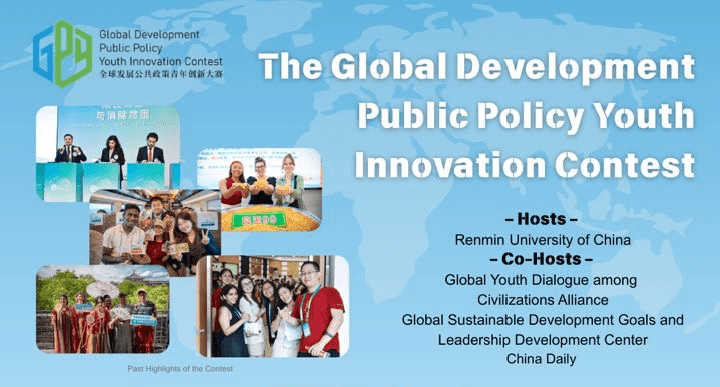
Founded in 2025, the Global Development Public Policy Youth Innovation Competition (GYDCA) is guided by the All-China Youth Federation and jointly organised by Renmin University of China and the University Alliance for Youth Diplomacy. It aims to advance the four Global Initiatives, support implementation of the United Nations 2030 Agenda for Sustainable Development, and give young people a global platform for international dialogue and policy innovation.
The inaugural edition, themed “Food Security and Poverty Alleviation,” drew more than 1,400 young participants from 55 countries and regions and received wide coverage in major Chinese media.