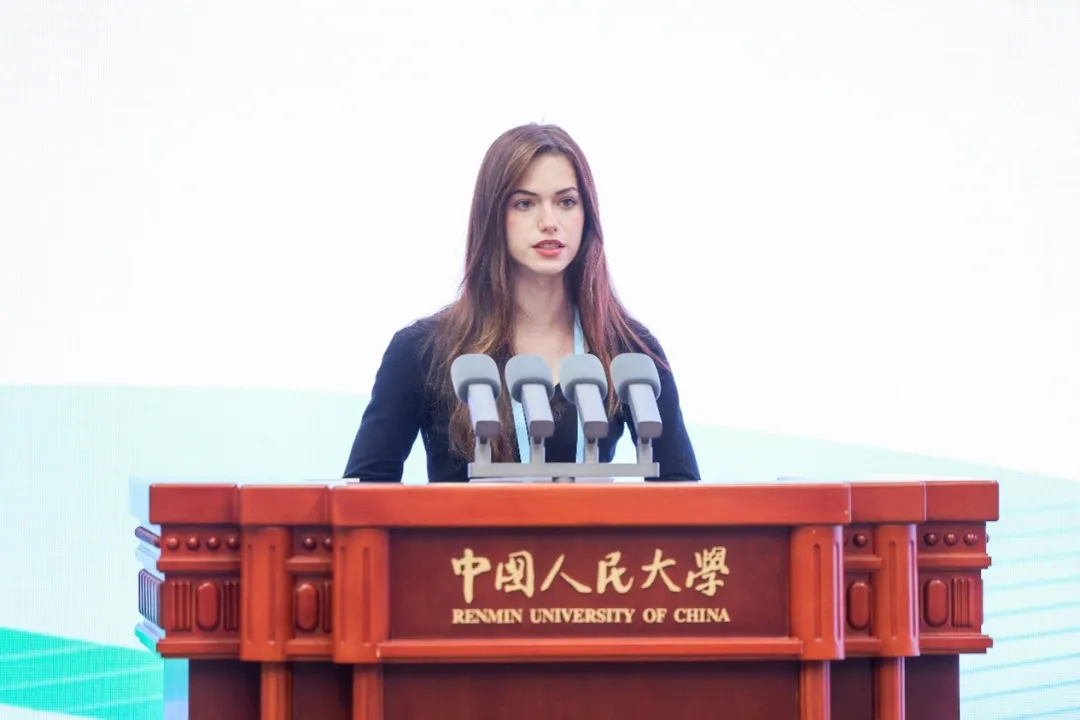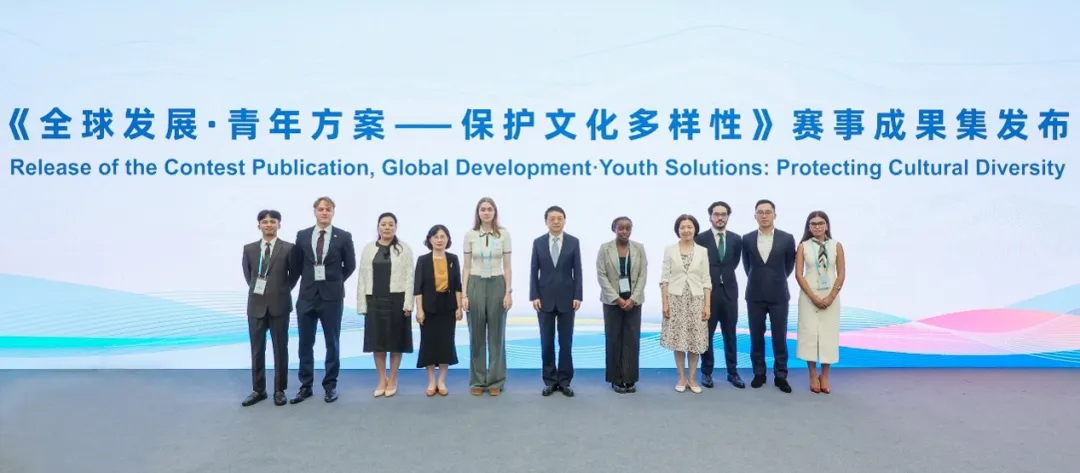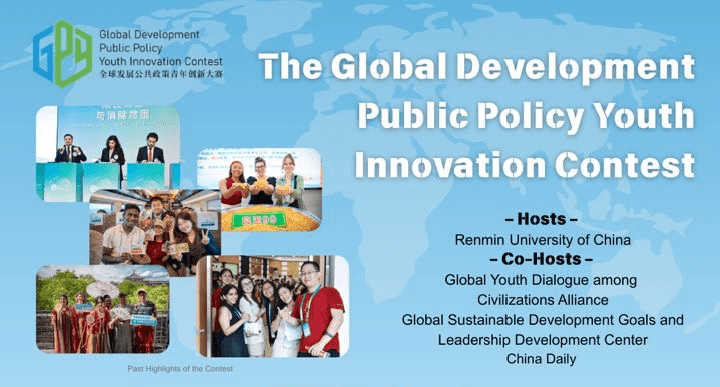

Following the finals of the Second Global Development Public Policy Youth Innovation Competition, held on 21–22 July at Renmin University of China, the participating teams went on to complete the “Journey for Global Development” Field Research Program in Beijing and Suzhou, built around the competition theme of “Protecting Cultural Diversity.”
To revisit the highlights of the finals, see: Highlights of the Second Global Development Public Policy Youth Innovation Competition Finals
Site visits, dialogue and cultural exchange gave young participants from across the world a first-hand look at how China approaches cultural heritage conservation and sustainable development, while building mutual understanding and international friendship along the way.
To learn more about the young participants, see: Young Innovators Honoured at the Second Global Development Public Policy Youth Innovation Competition Finals
Discovering China’s Cultural Heritage in Beijing
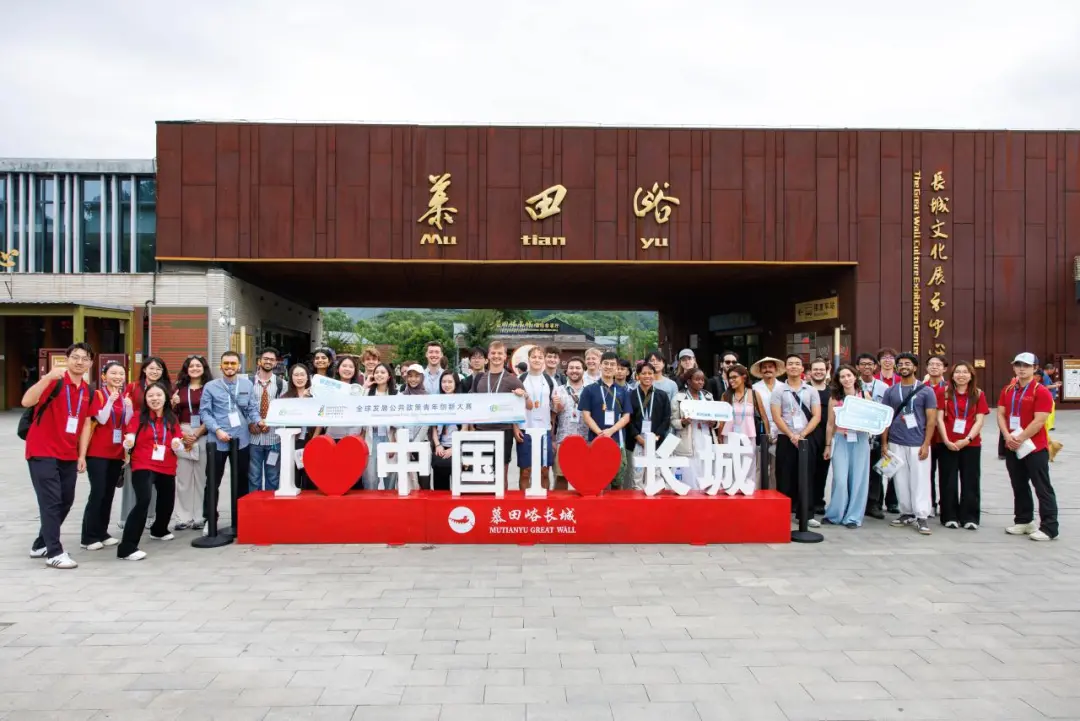
On 20 July, participants from more than twenty countries visited the Mutianyu Great Wall, looking at conservation work in progress and learning about the preservation, maintenance, sustainable tourism and public management practices that keep one of the world’s best-known cultural landmarks standing. On-site observation and discussion gave them a fuller sense of both the Wall’s historical weight and the governance approaches behind its long-term care.
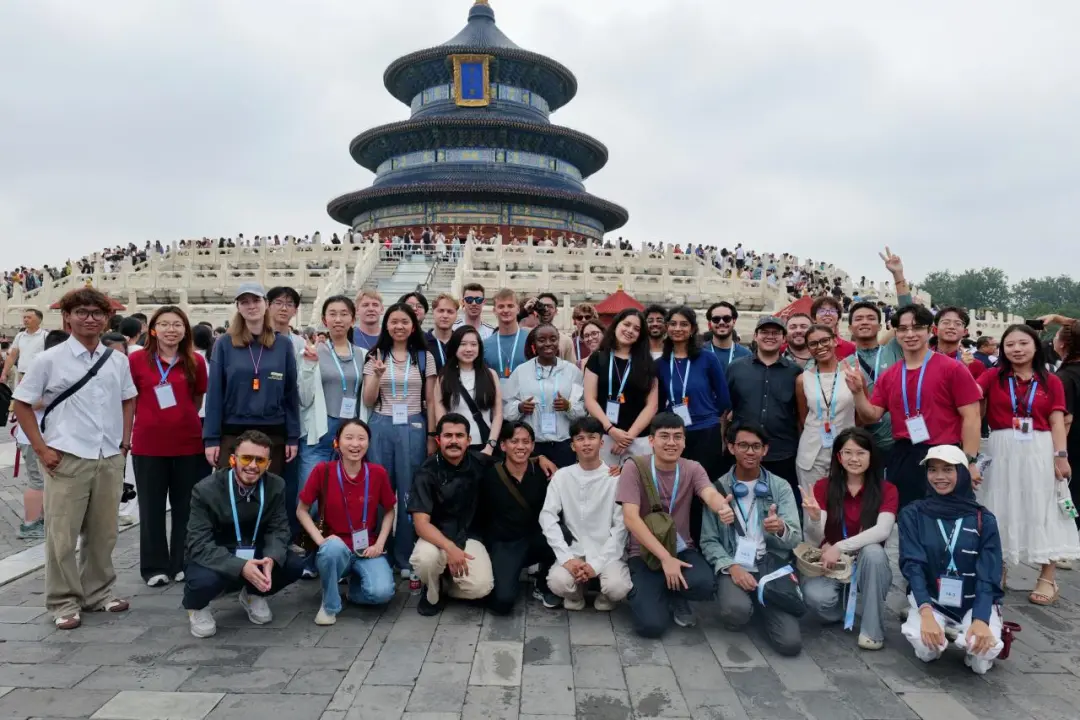
The delegation also went to the Temple of Heaven, where the Hall of Prayer for Good Harvests opened up six centuries of Chinese architectural heritage and philosophical thought. Discussion moved from the traditional ideal of “harmony among all nations” to the contemporary vision of building a community with a shared future for mankind, prompting participants to consider how Chinese governance philosophy speaks to present-day global challenges. The group also drew connections between older ideas about living in harmony with nature and modern sustainable development principles.
Exploring Innovative Cultural Preservation in Suzhou
On 24 July, participants took China’s high-speed rail to Suzhou for the next leg of the field research program.
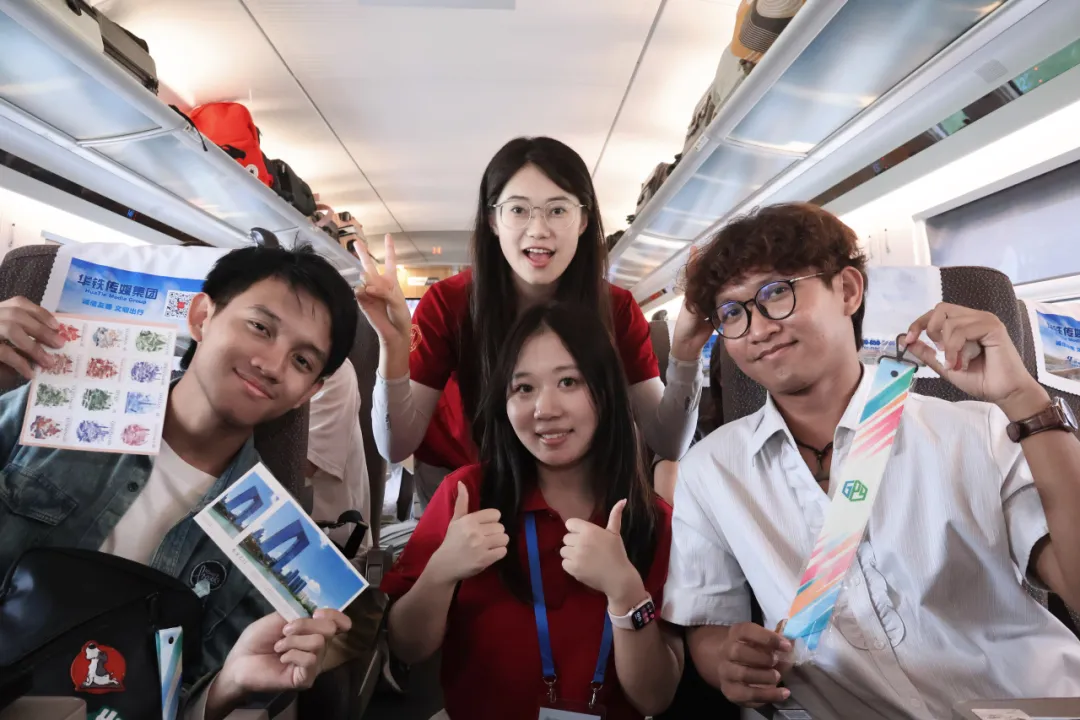
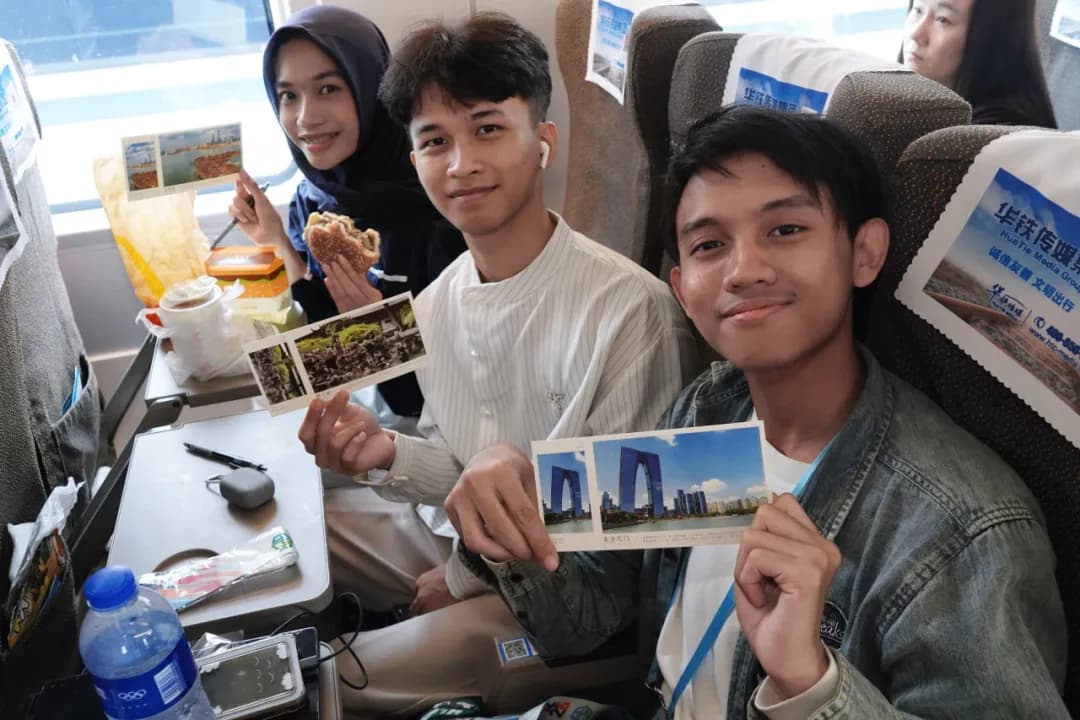
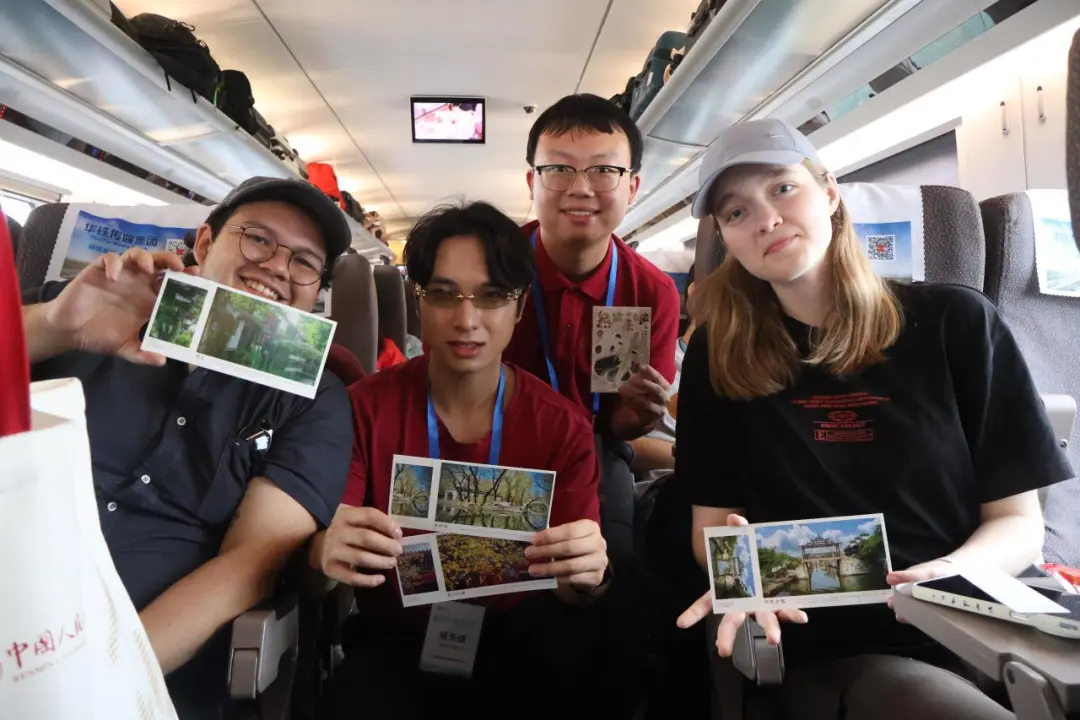
Walking the historic Pingjiang Road Historic Block, the group studied how public investment has revived a traditional urban neighbourhood without stripping away its character. Protecting long-standing businesses, keeping residents in place and encouraging creative cultural industries has let the district hold heritage conservation and sustainable urban renewal in balance — a concrete illustration of how public policy can support the creative transformation of traditional culture.
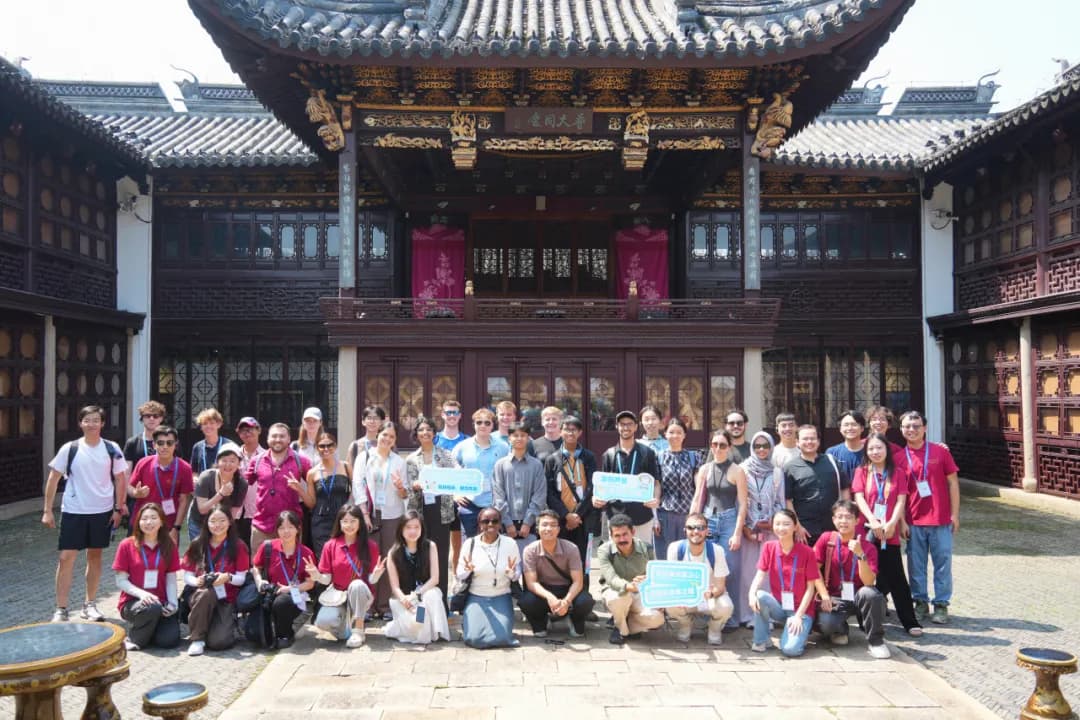
While in Suzhou, participants also toured several museums, each taking a different route to cultural preservation.
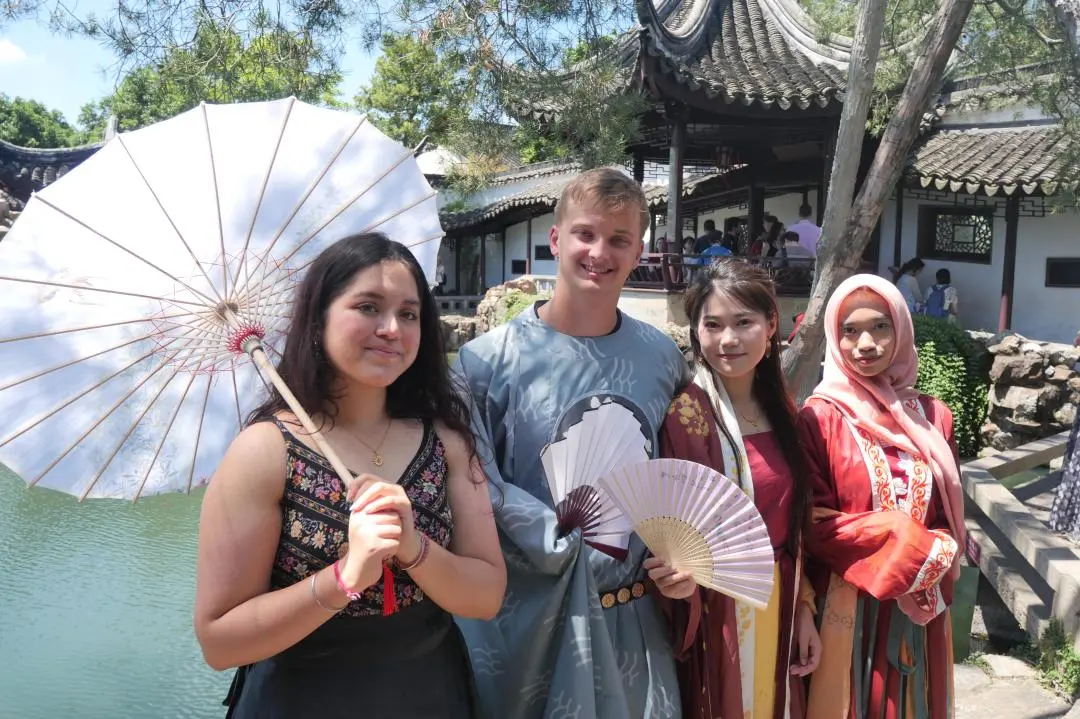
The Suzhou Bay Digital Museum showed how holographic exhibitions and digital reconstruction are being put to work preserving and presenting heritage. At the Suzhou Garden Museum they took in the artistic logic of classical Chinese garden design and the balance it strikes between architecture, landscape and nature. The Imperial Kiln Golden Brick Museum offered historic brick-making techniques and hands-on involvement in parts of the traditional process. At the Suzhou Silk Museum, participants followed the history of silk production and made silk fans in a workshop session.
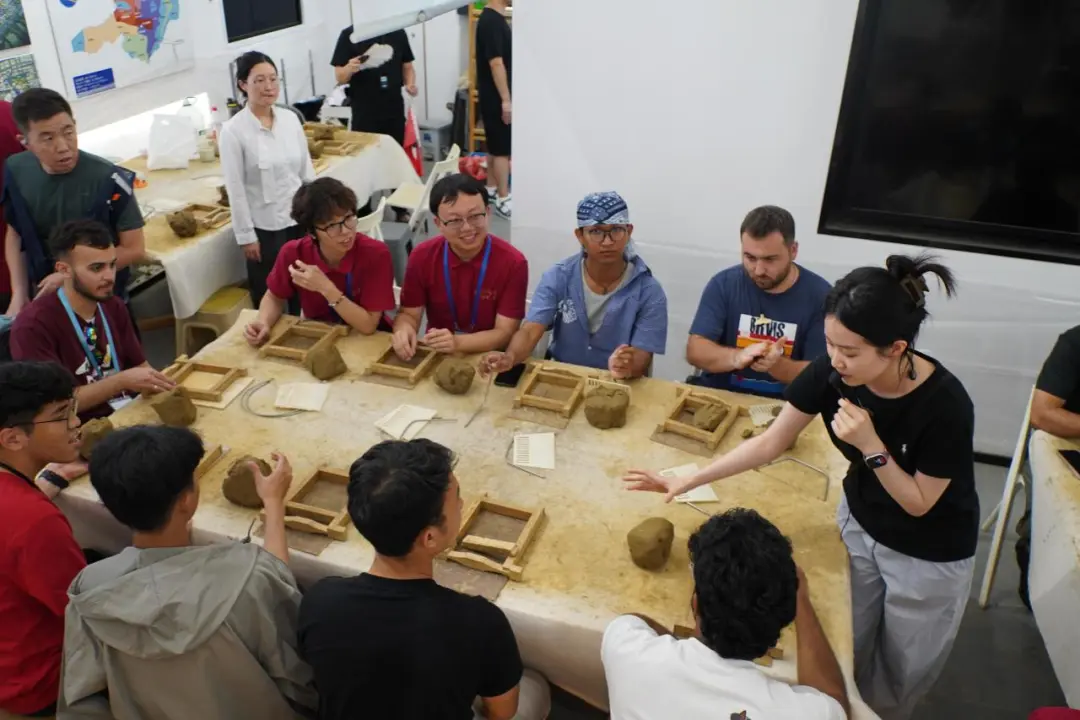
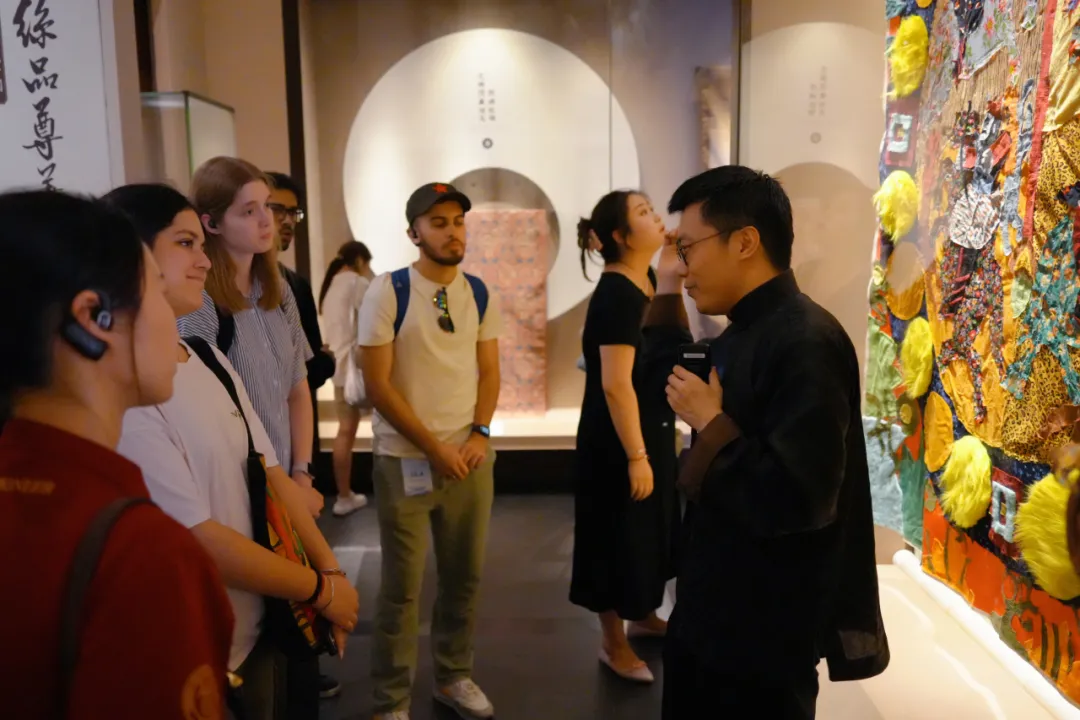
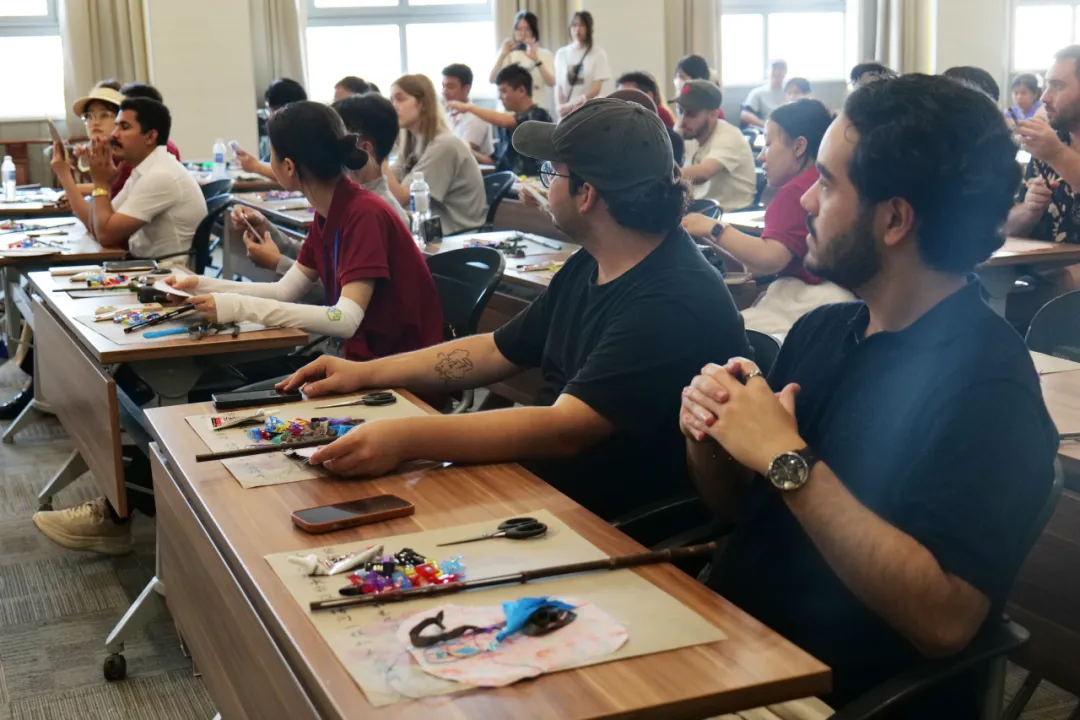
The delegation additionally visited some of Suzhou’s best-known landmarks — Jinji Lake, Pan Gate, the Humble Administrator’s Garden and the Master of the Nets Garden. Here participants saw how ecological conservation, urban development and public cultural space have been folded into city planning, while the classical gardens demonstrated centuries of architectural and landscape design that still feed cultural education and civic identity.
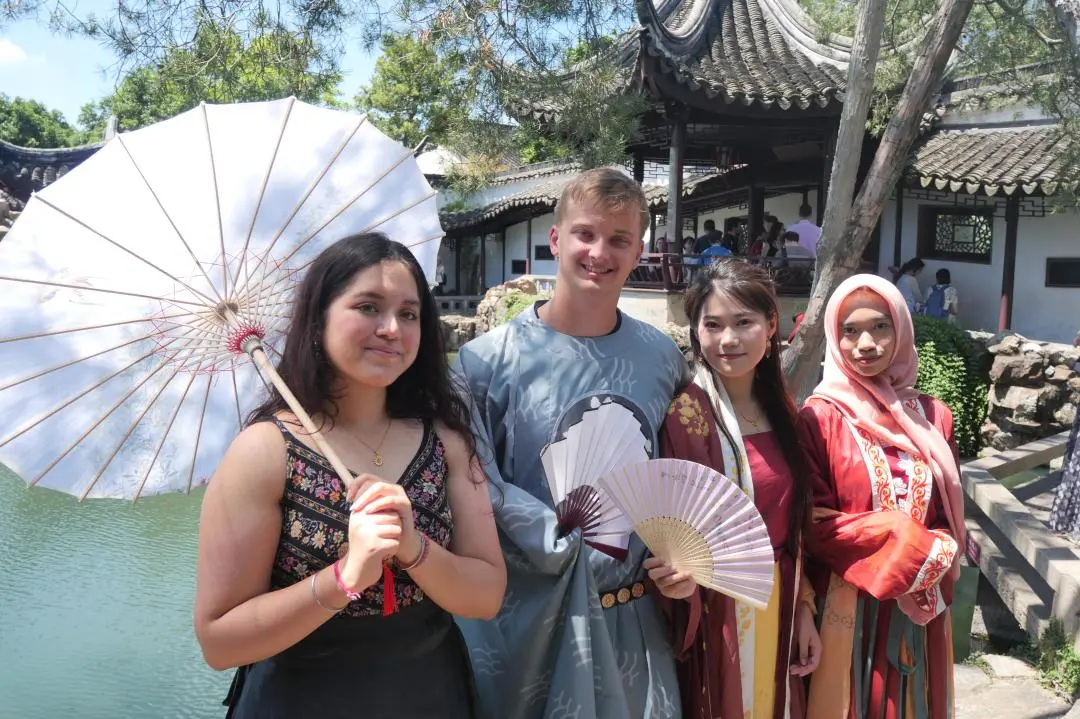
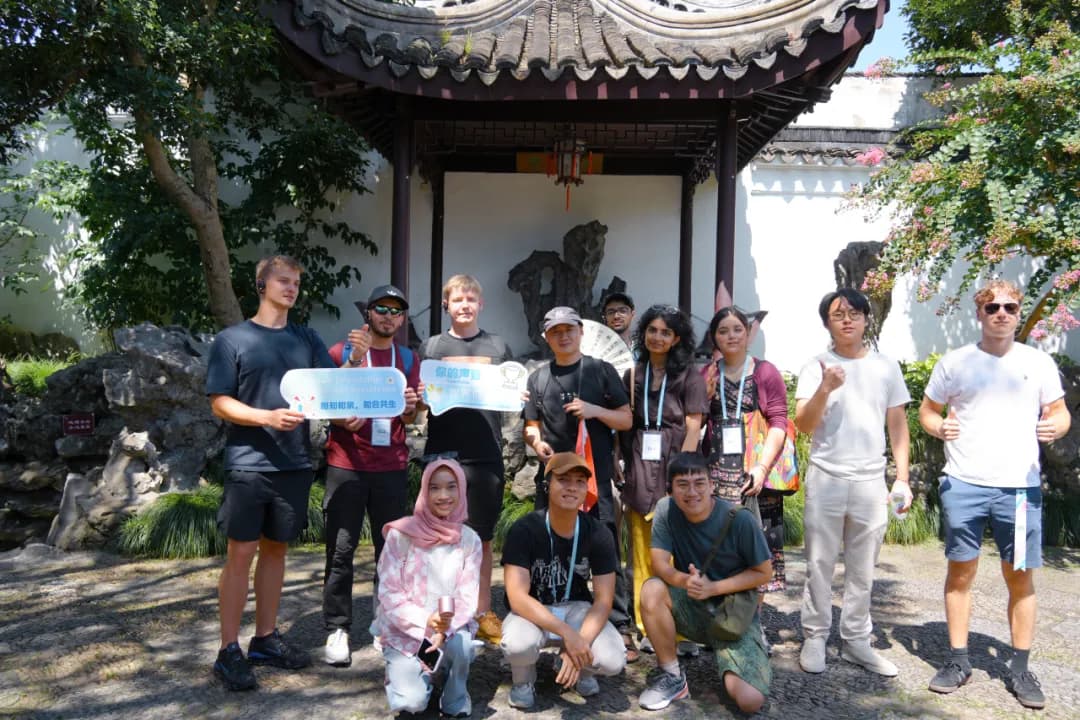
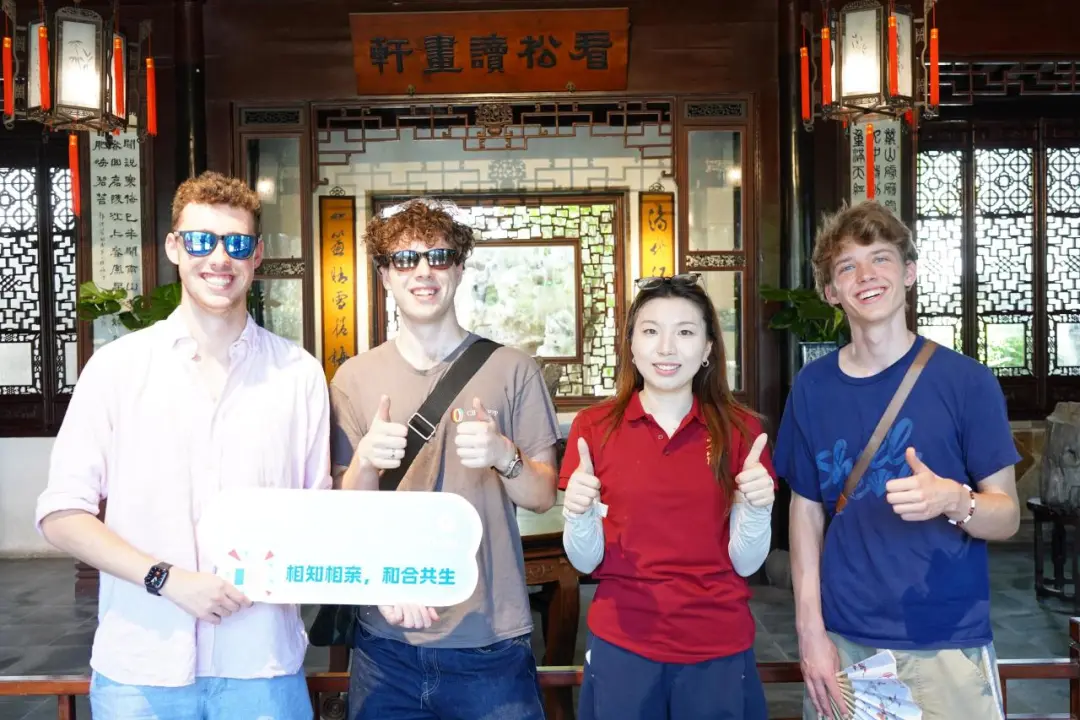
Taken together, these visits showed participants how cities can hold urban renewal, ecological restoration and heritage conservation in the same frame. The field research deepened their grasp of what protecting cultural diversity involves in practice and gave them experiences they can carry into work on global heritage protection.
Closing Ceremony Celebrates Friendship and Shared Aspirations
The program wrapped up with a Closing Ceremony in Suzhou on the evening of 26 July.
It opened with a commemorative video — policy presentations, field visits, late-night team discussions — that brought shared memories back for participants and volunteers alike.
Speaking for the participants, Bruno Lopes Lima dos Santos of KU Leuven, a two-year returning competitor, reflected on the friendships formed over the course of the event. Participants had arrived from very different social, cultural and academic backgrounds, he said, but a shared commitment to protecting cultural heritage let them work past geographical and cultural distance and build real lines of communication. He hoped they would keep strengthening international cooperation and bringing youth-led solutions to global heritage protection.
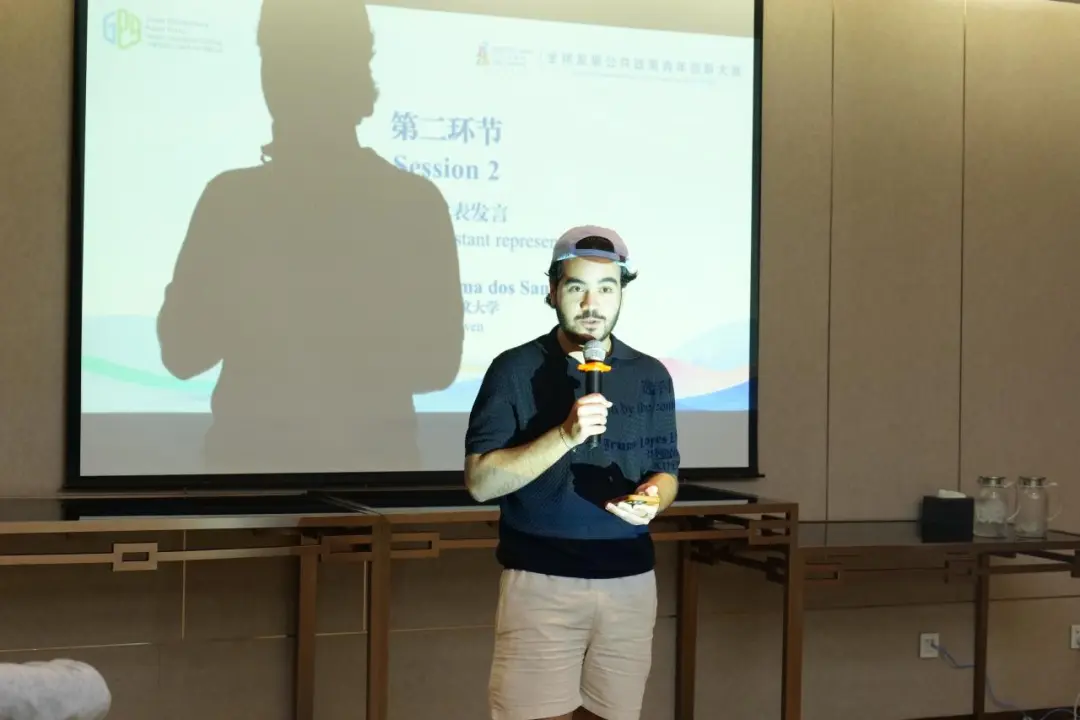
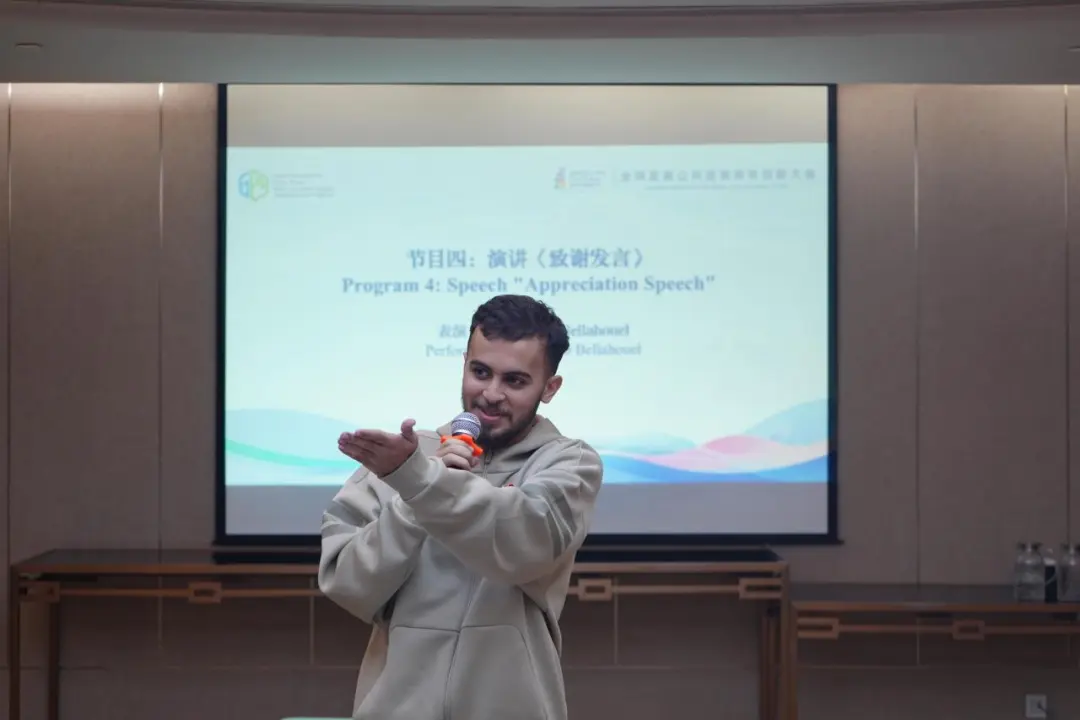
ElHabib Bellahouel of Khalifa University in the United Arab Emirates also spoke, praising how well the competition had been run. The program had not only deepened his understanding of Chinese culture, he said, but let him appreciate the richness of cultures from elsewhere too — and, most of all, it had allowed participants from different countries to form friendships that would outlast the competition itself.
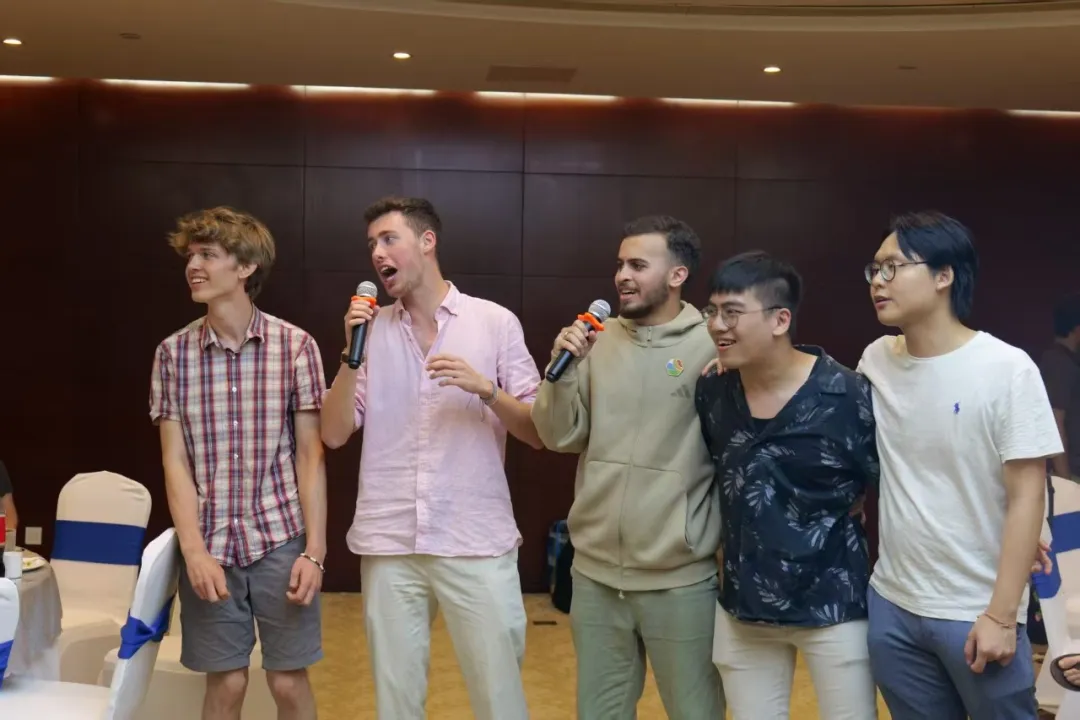
Chinese and international participants staged a series of joint performances, marking cultural exchange through music and artistic expression. In one of the evening’s standout moments, everyone present — participants and volunteers together — sang “We Are the World,” voicing shared hopes for a more peaceful and prosperous future.
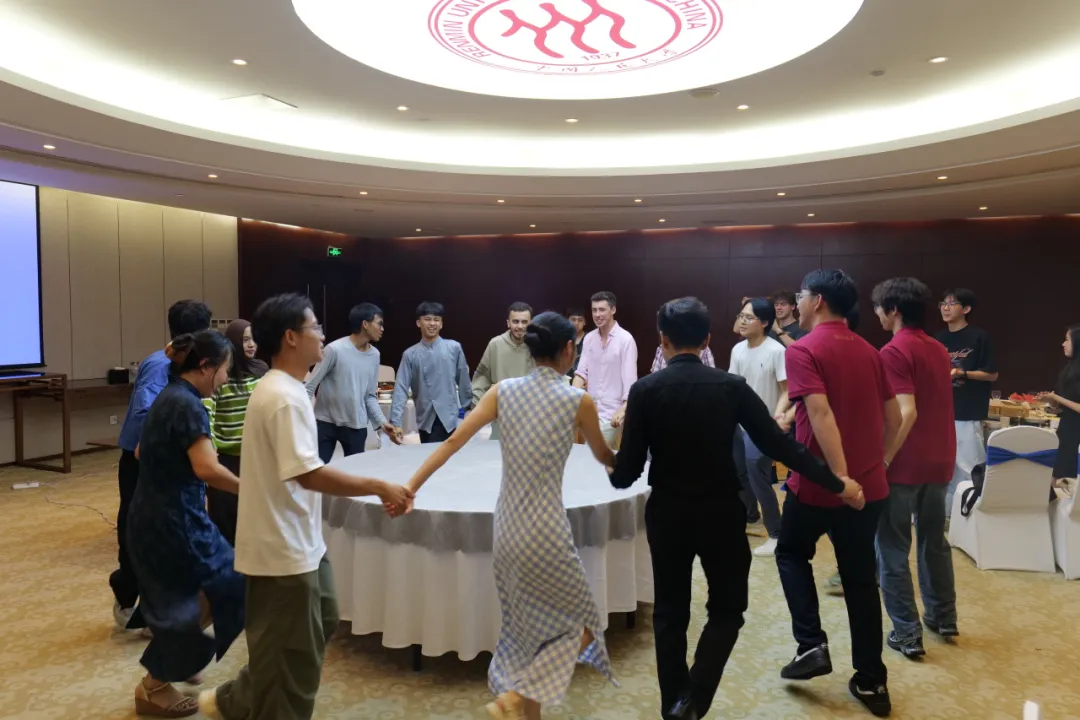
Participants then swapped commemorative badges before assembling a large Chinese character “和” (Harmony), standing for their common wish for harmony in diversity, mutual respect and shared prosperity.
As the evening closed, participants gathered for group photographs and warm farewells, already looking ahead to next year’s Global Development Public Policy Youth Innovation Competition — carrying new friendships, fresh perspectives and a renewed commitment to protecting cultural diversity through international cooperation.