
A Global Dialogue on Culture, Identity & Beauty Standards
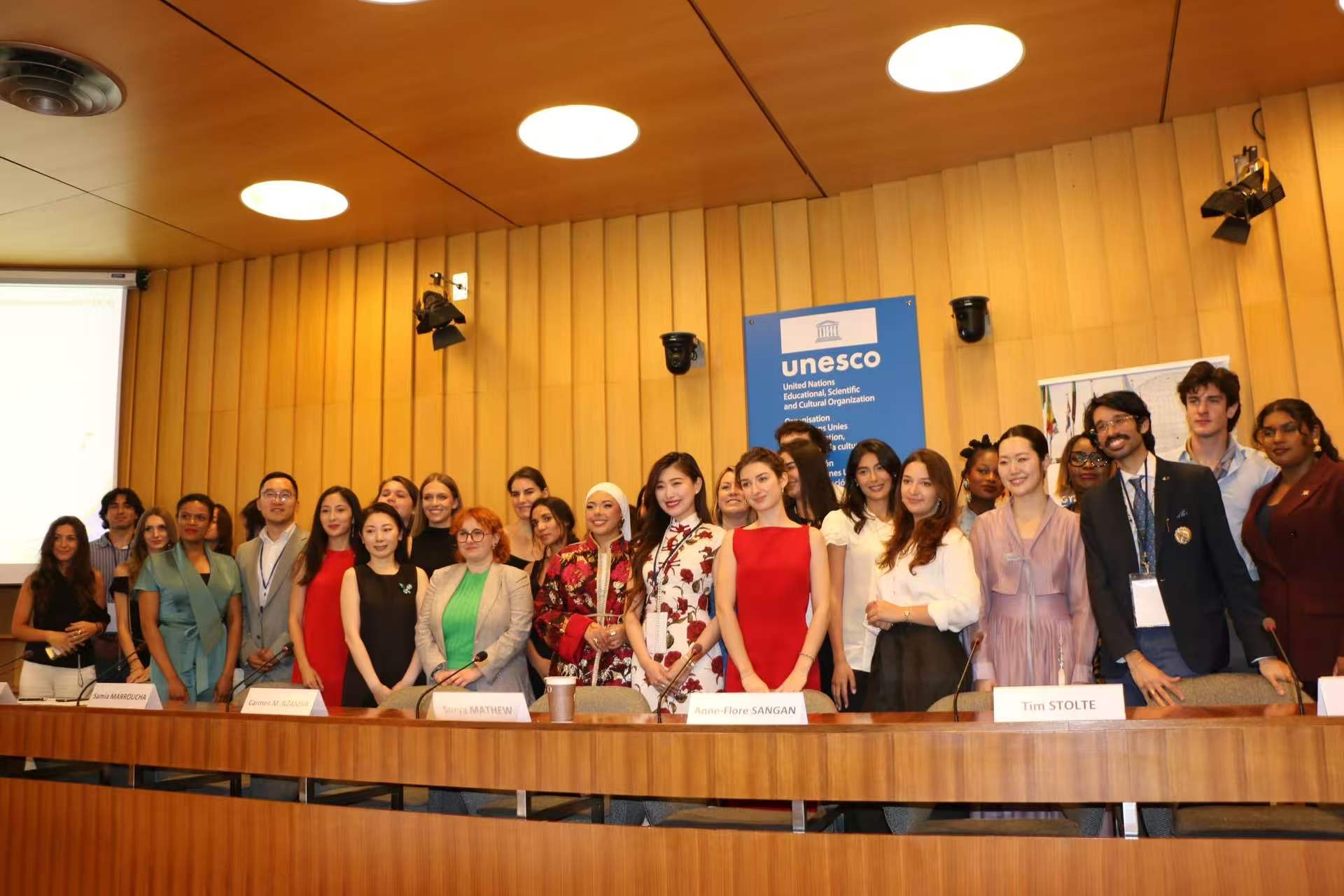
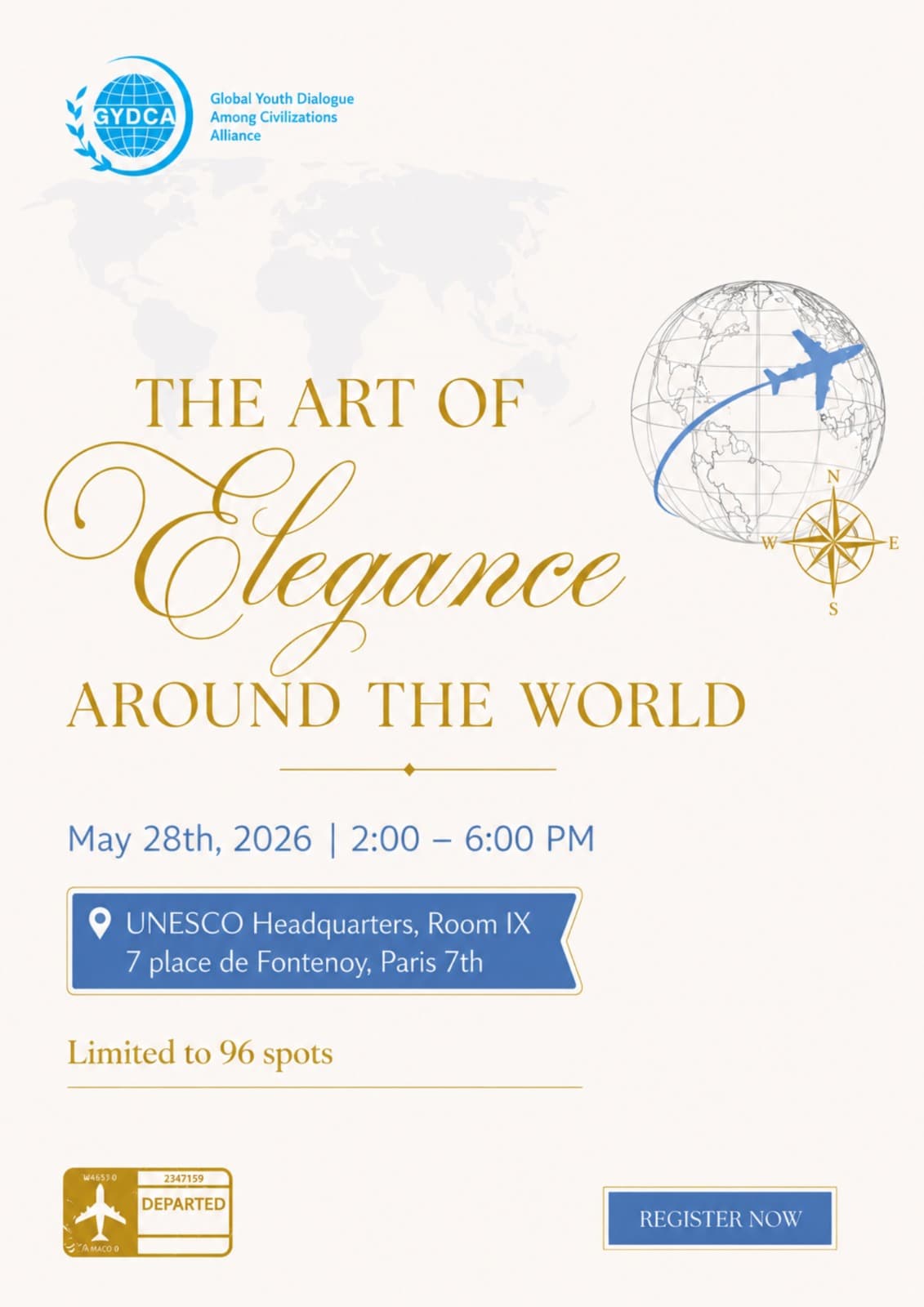
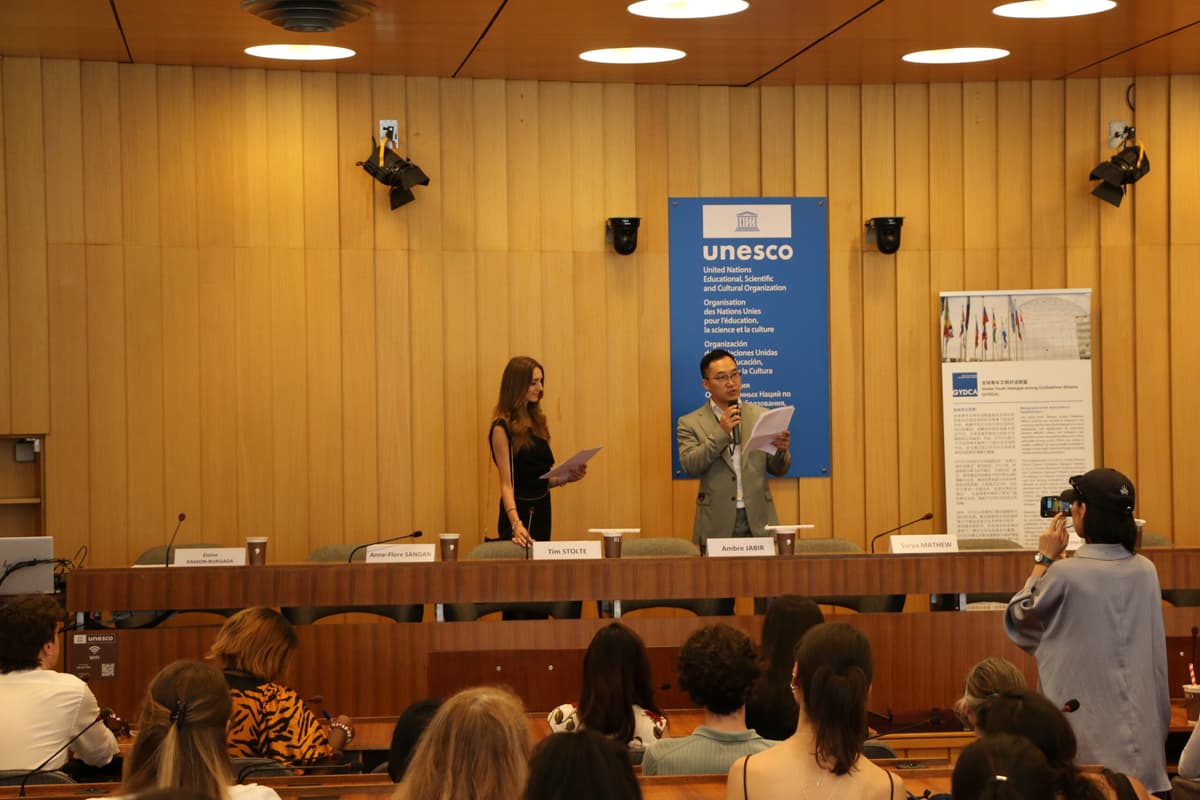
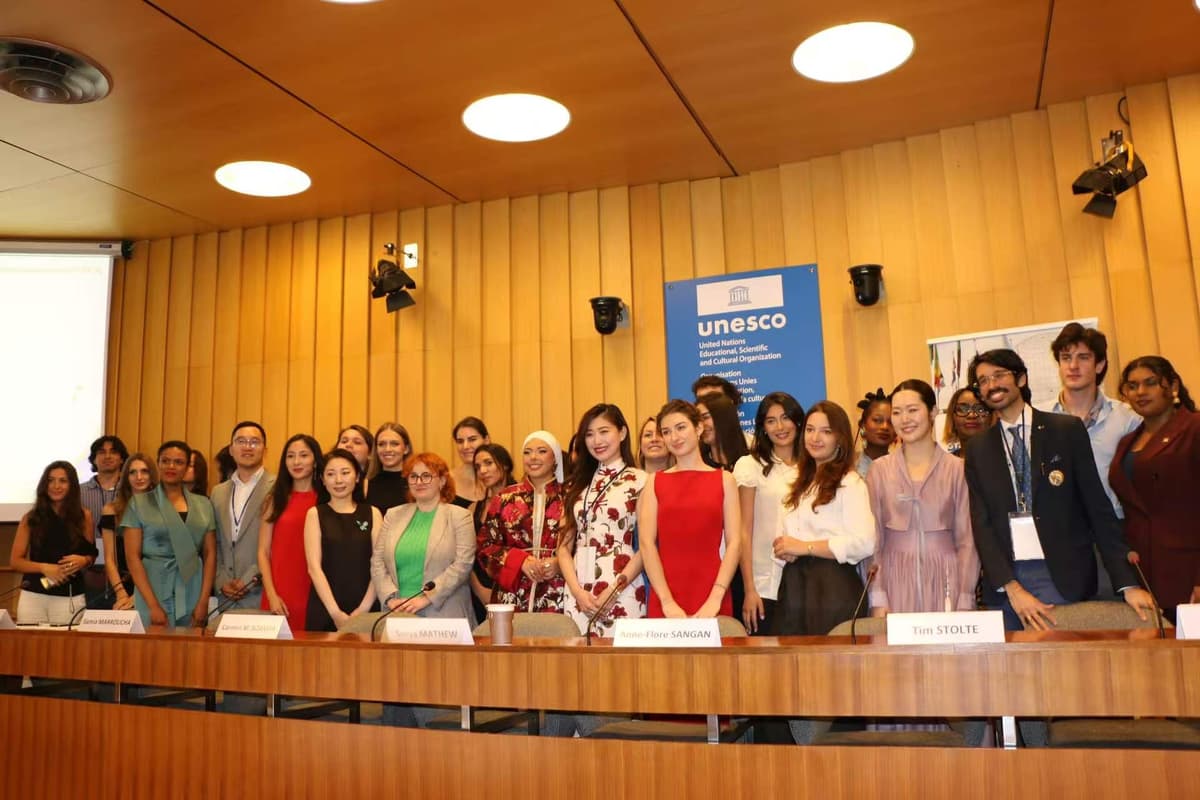
On the afternoon of 28 May, something rare happened inside UNESCO’s Salle IX. Ten cultures took the floor, one after another, and the room did not debate. It listened.
What does it mean to be elegant? The question sounds simple. But put a Korean beauty entrepreneur, a Moroccan women’s empowerment advocate, an Argentine PR professional raised between Buenos Aires and Athens, an Italian law student shaped by Tuscany and Milan, and a French content creator with Jamaican roots in the same conversation, and it opens into something far larger.
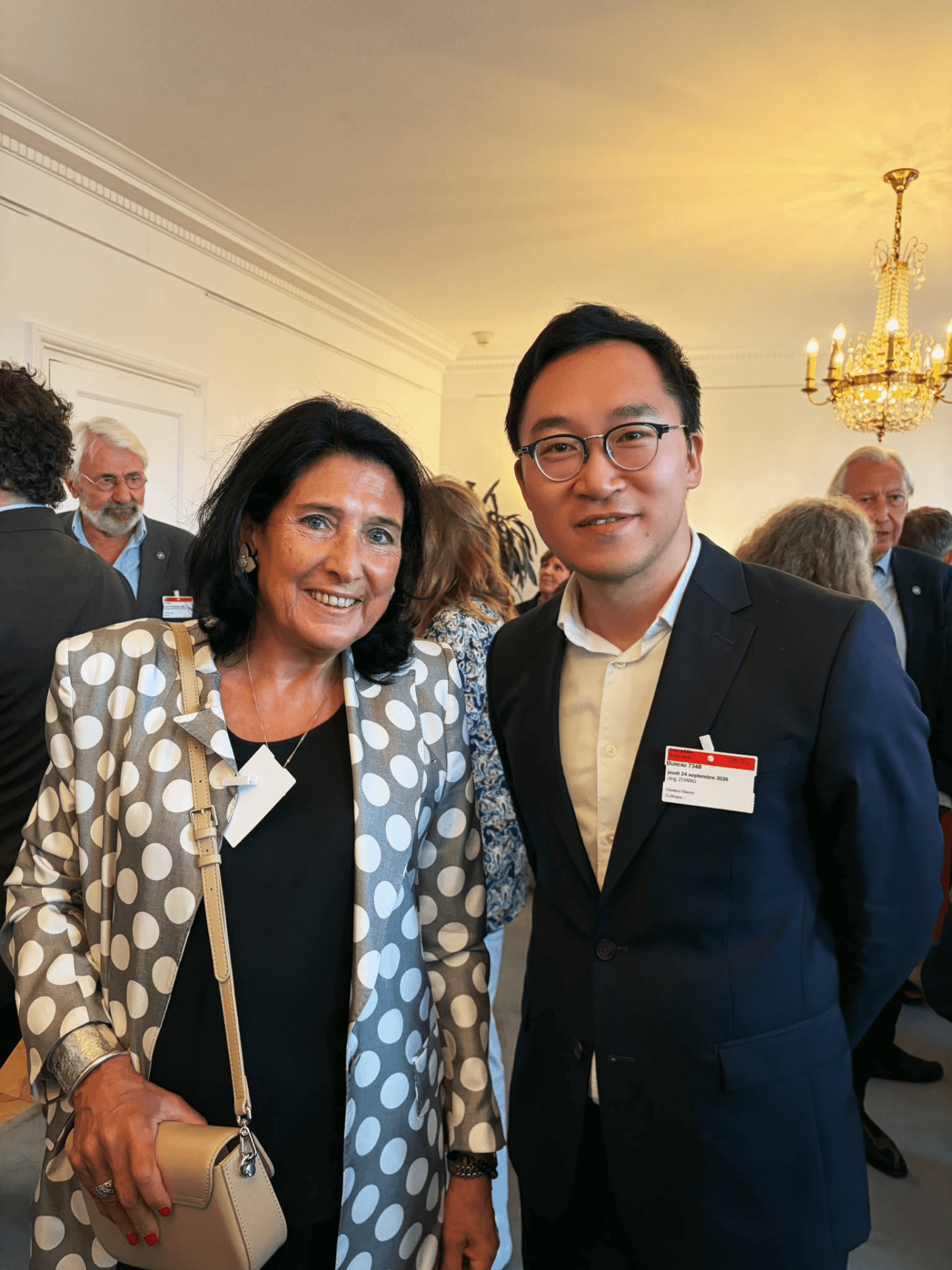
“The dialogue between civilizations does not only exist in grand international debates. It lives in the cultural choices, the aesthetic expressions, and the identities of young people in their everyday lives.”
— Jing ZHANG, Executive President, GYDCA
✦ ACT I ✦ The Panel: Is Elegance Universal?
Five voices: AMBRE JABIR, fashion designer trained at ESMOD International, known for a conscious and sustainable approach to luxury; ANNFLOR SANGAN, stylist and trend analyst trained at the École de la Chambre Syndicale de la Couture Parisienne, with early experience alongside Galliano and Alaïa; TIM STOLTE, German designer and founder of Timsto, shaped by the Antwerp fashion MA programme; SURYA MATHEW, founder of Maison Surya Mathew, who trained at the Haute École de Joaillerie in Paris and under a master jeweller in Kerala simultaneously before working for the most prestigious houses on the Place Vendôme; and CARMEN M. NZAMBA, bringing Central African perspectives into a conversation that needed them. Together they took up questions the industry rarely slows down enough to sit with — organised and joined by ELOÏNE RAMON-BURGADA, who moderated the afternoon with vision, care and grace.
- Q1: Is elegance universal, or deeply shaped by culture?
- Q2: How would you define elegance in your own cultural context, and what does the world most misunderstand about it?
- Q3: Is elegance something we learn, or something we naturally embody?
- Q4: If you had to choose one example that best represents elegance in your country, what would it be, and why?
✦ ACT II ✦ Five Countries, Five Languages of Elegance
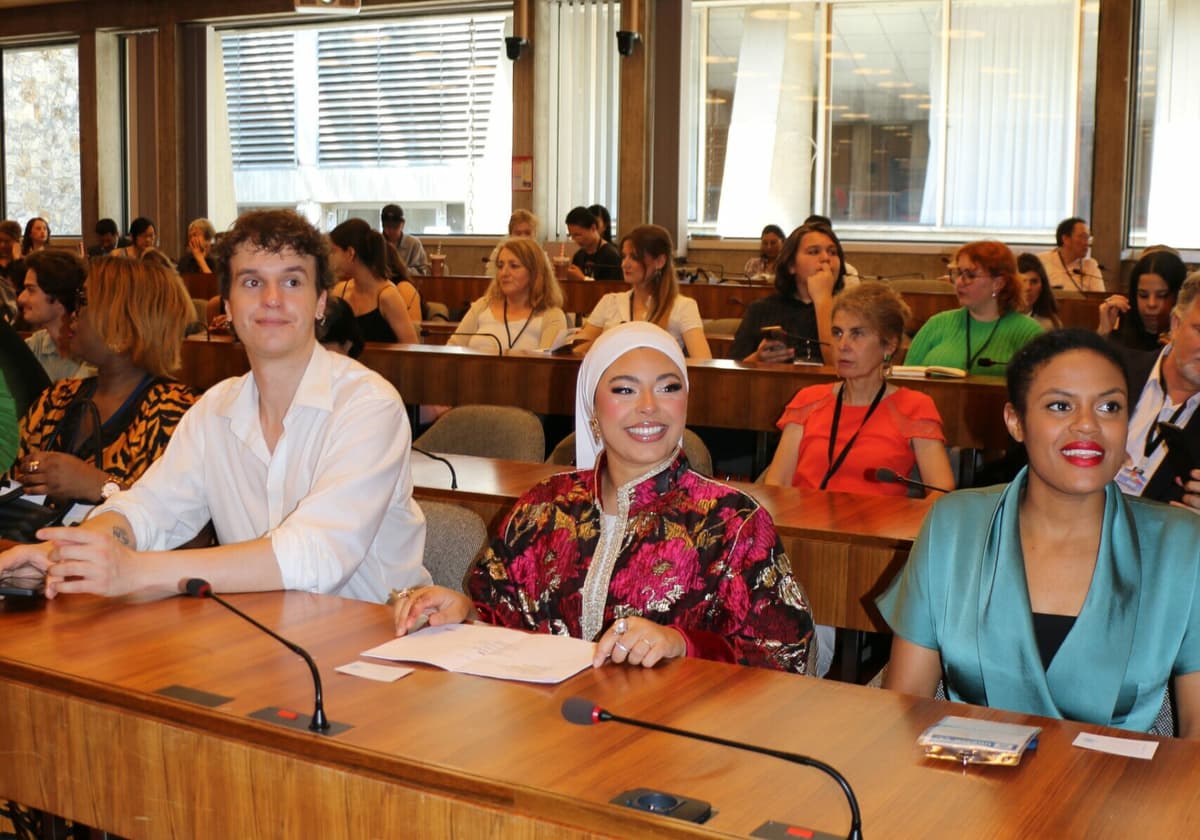
Morocco – SAMIA MARROUCHA
Entrepreneur, former primary school teacher, founder of SC Campus, a certified training centre for women’s empowerment and personal development.
Art & Elegance Across Morocco: Samia Marroucha introduced the room to an elegance rooted not in minimalism but in richness — the traditional Kaftan, the ancient mosaic art of Zellige, the delicate craft of Henna, the sensory abundance of the medina. In Moroccan culture, elegance is not worn: it is lived.

France – LILLY
Paris-based content creator and tech executive, of French and Jamaican heritage. Elegance as a language of everyday life.
The Je ne sais quoi: Lilly began where any honest account of French elegance has to — with the concept that cannot quite be named. She traced the aesthetics of restraint, natural confidence and décontraction, unpacking how France, through Chanel and the cultural weight of its art, architecture and language, has long exported a very specific image of beauty. One, she argued, that is both admired and misread.

Italy – EMMA MIGLIARINI
Italian-born European law student at the University of Strasbourg, trilingual. Born in Tuscany, closely connected to Milan. UNICEF Youth Ambassador and MUN mentor.
Sprezzatura: The Studied Art of Effortlessness: Emma Migliarini brought the room a word with no direct translation — sprezzatura, the Renaissance ideal of making the difficult look easy. Italian elegance, she explained, lives in the tension between meticulous tailoring and studied nonchalance. The silhouette matters. The fabric matters. Most of all, none of it should look like it cost you anything.
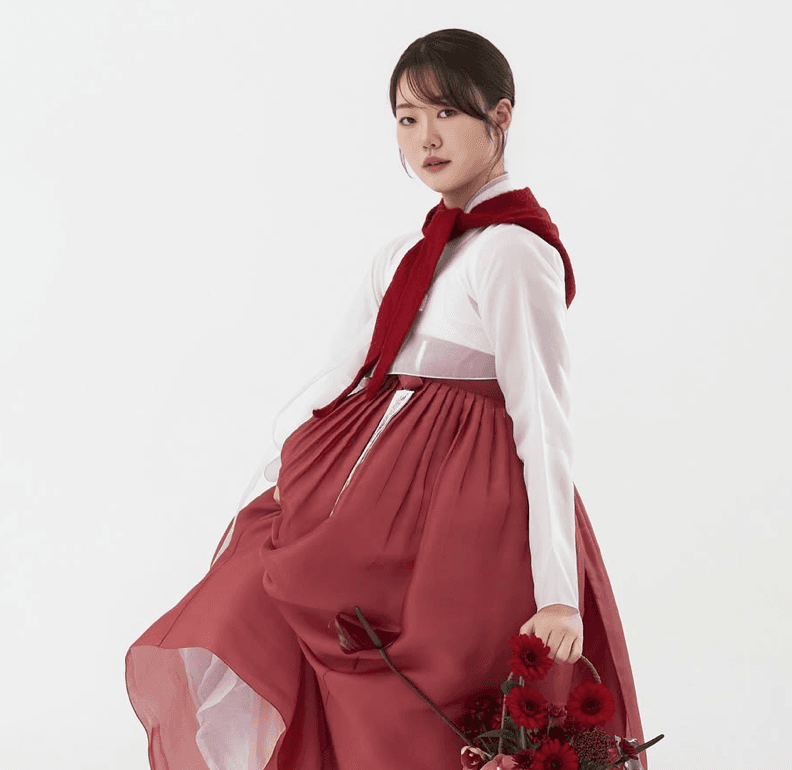
South Korea – YEBEEN KIM
Digital creator and entrepreneur, founder of Atelier Seoul, a K-beauty salon in Paris. Bridges Korean and French aesthetic cultures daily.
K-Beauty & the Philosophy of Self-Cultivation: Yebeen Kim traced Korean elegance from its Confucian philosophical roots through to personal colour analysis and the global K-beauty industry, showing how what reads from outside as an obsession with flawless skin is, from inside, a practice of care, patience and self-knowledge.
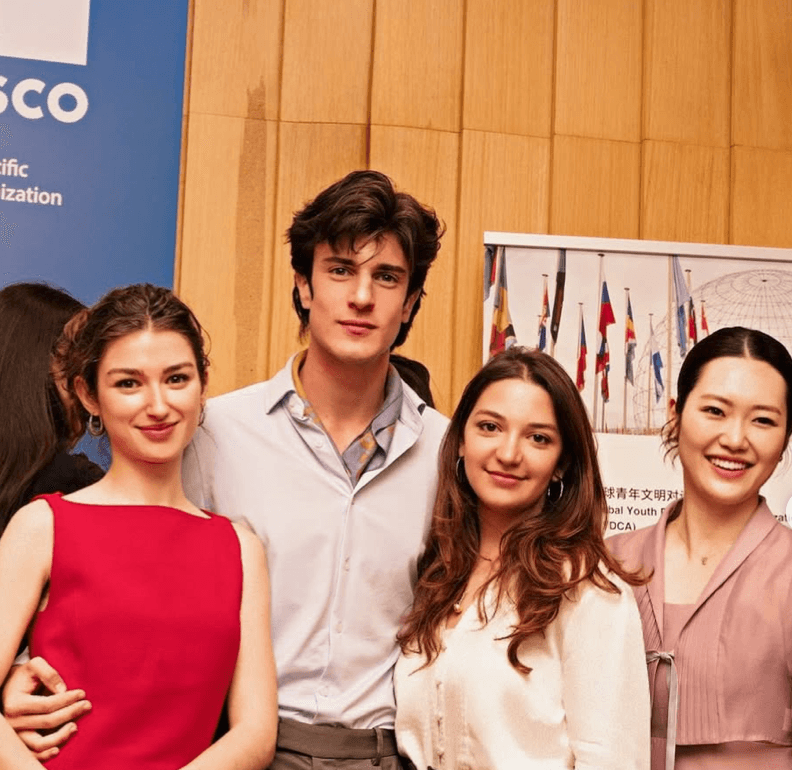
Argentina – BAUTISTA MACCIONE
Communication and PR professional. Born in Buenos Aires, raised across Europe, of Greek, Italian and Argentine heritage. Trained in luxury, cosmetics and audiovisual communication.
Identity, Presence, and the Power of Being Seen: Bautista Maccione spoke about an elegance concerned not with restraint but with identity. Through the prism of Buenos Aires, tango culture and the emotional expressiveness of Latin American aesthetics, he argued that dressing impeccably is a declaration of who you are and where you come from. Elegance, here, is not a code: it is a story.
✦ ACT III ✦ The Closing Hour
The final hour brought every voice back into the same room — not to reach consensus, but to sit with questions that had grown richer over the afternoon. Three further voices gave the closing its texture.

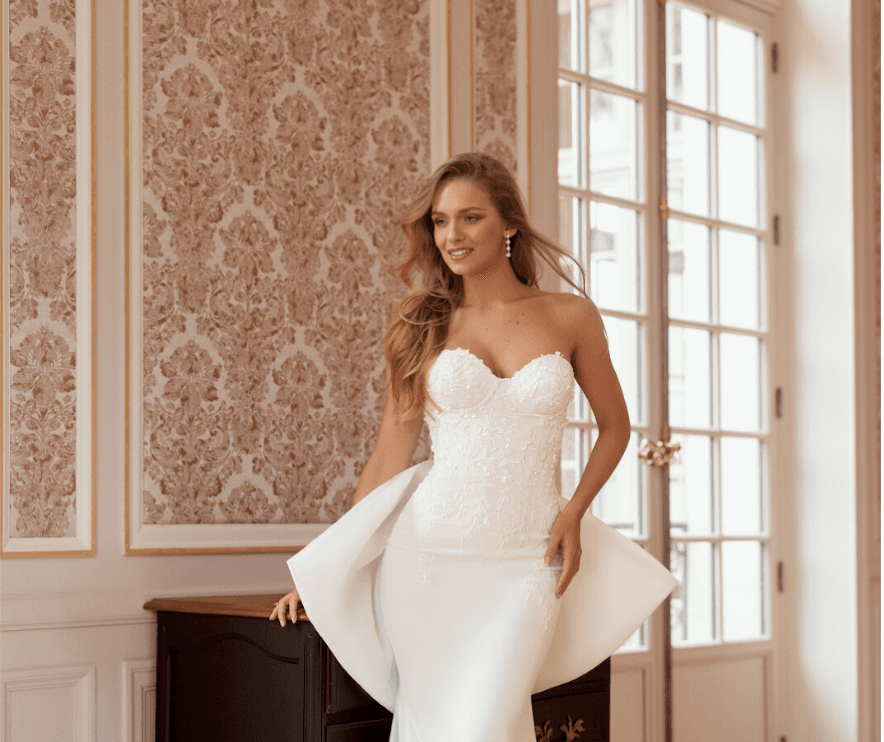
Former Miss Asia – HONEY TIAN MI
A pointed perspective on how beauty standards and elegance have evolved in China — how a generation is shifting from external ideals toward inner cultivation, and what that shift means for how we define grace today.
Former Miss Picardie – MARINA PRZADKA
Her intervention added a genuinely meaningful dimension to the conversation and was one of the afternoon’s quiet highlights — a reminder that elegance, when it is real, carries weight beyond aesthetics.
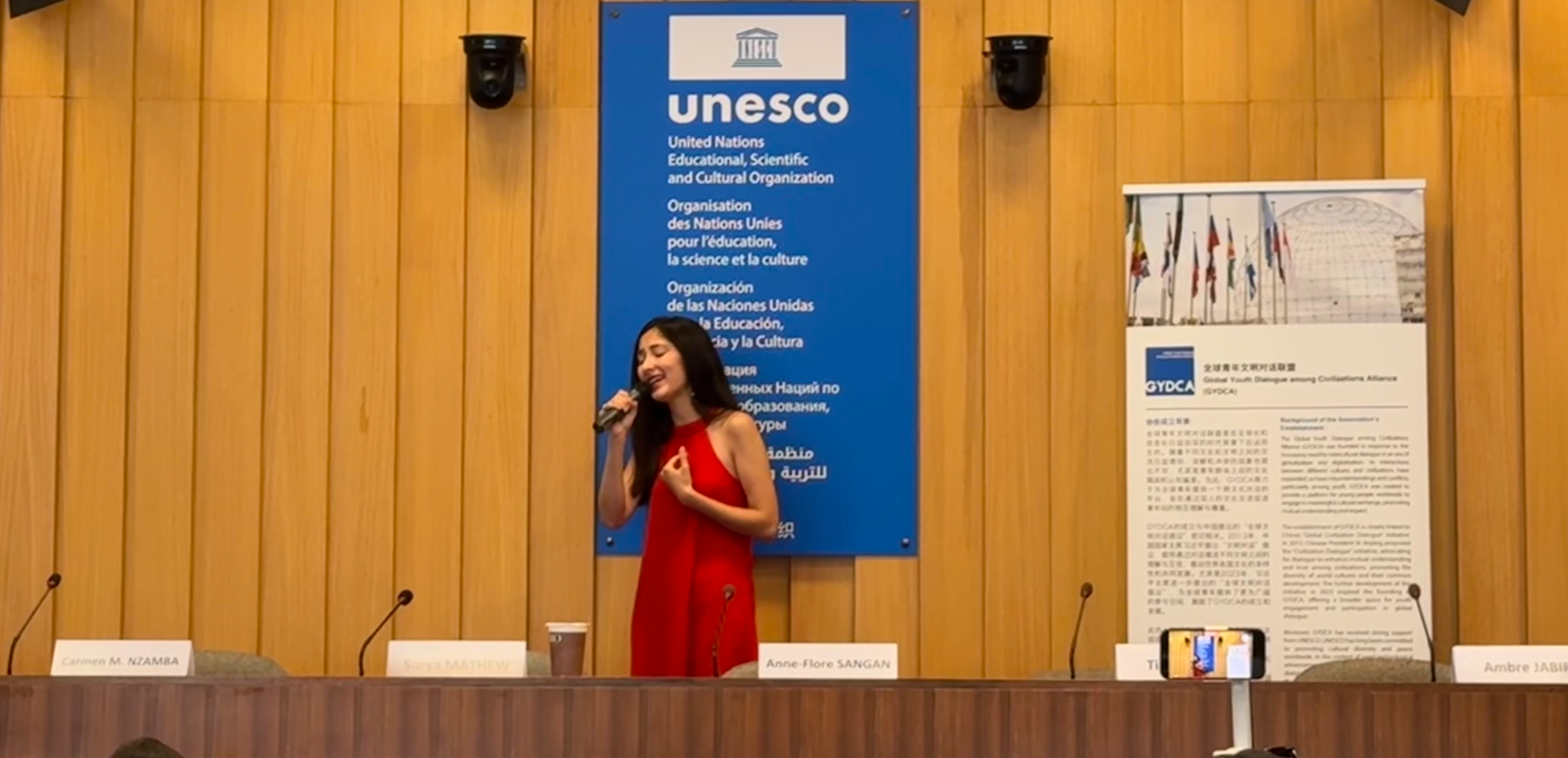
The afternoon closed on a special moment. Gersende Martin-H took the floor where words stop. Her performance of Édith Piaf’s Hymne à l’Amour — three minutes, one voice, a room that had spent the afternoon debating what elegance is — suspended the conversation in a way nobody could quite have named. Perhaps that was the answer.