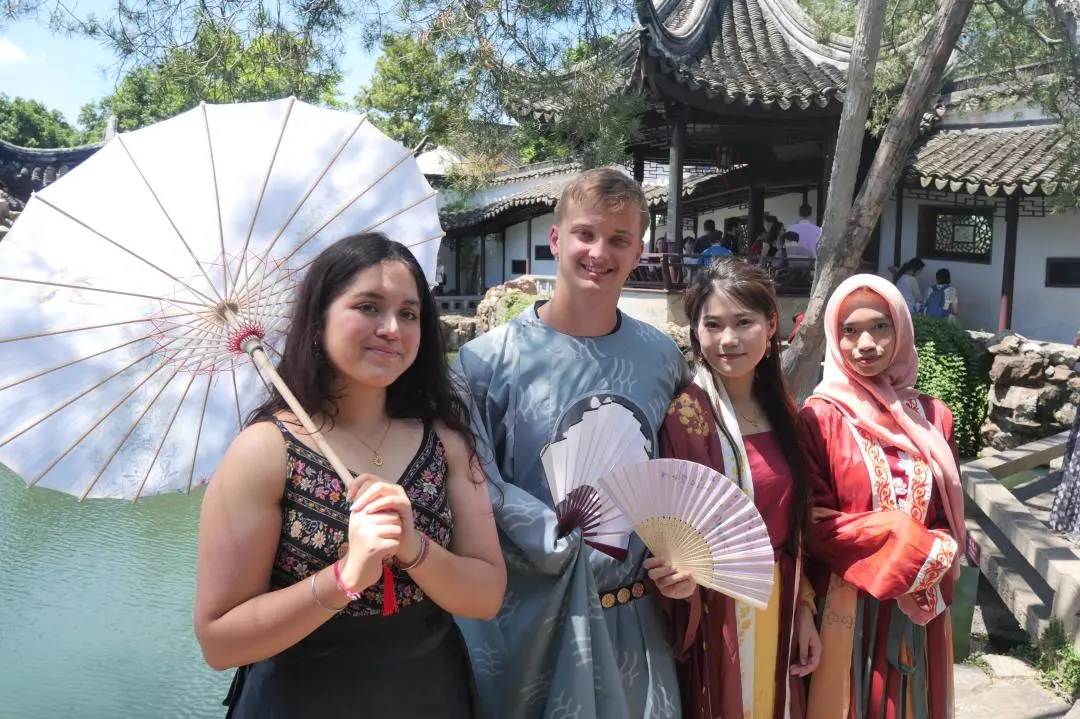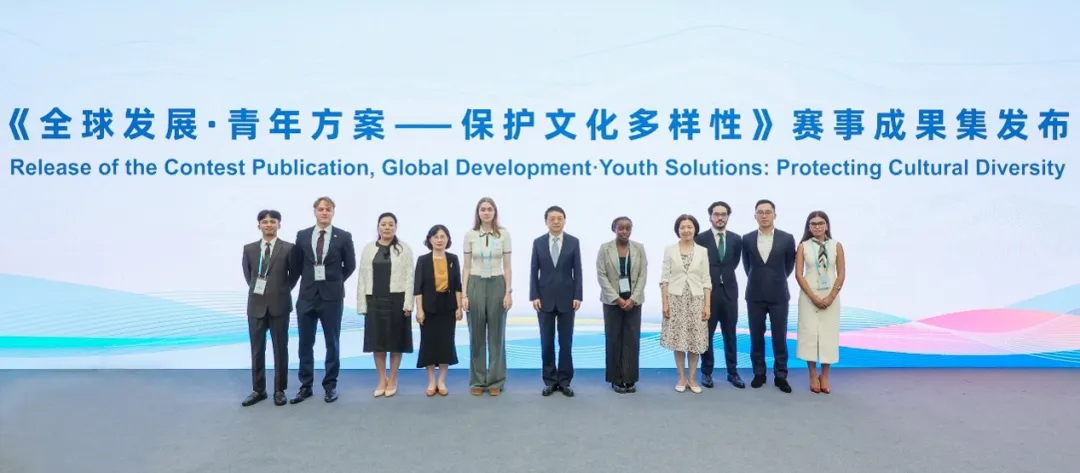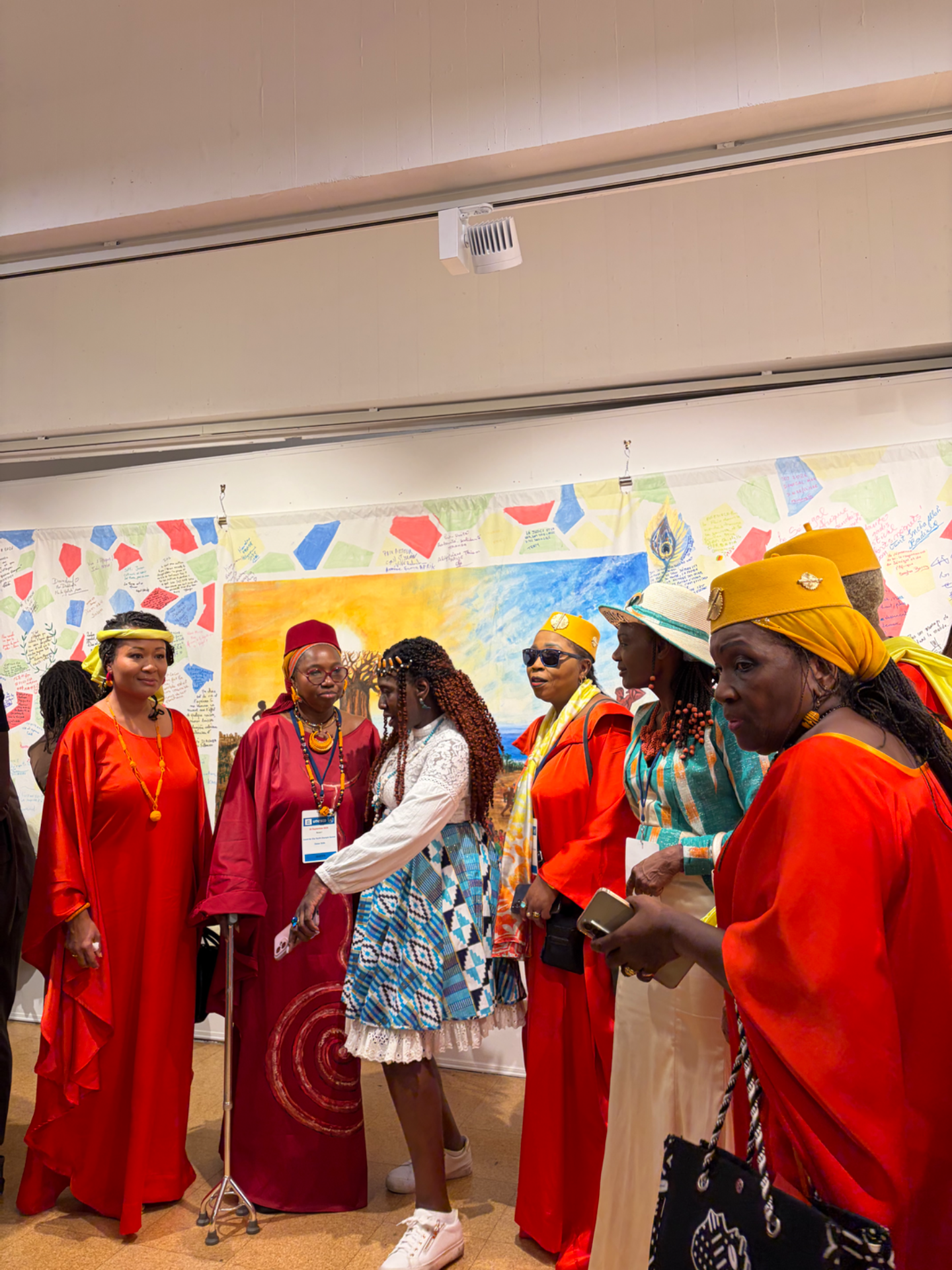

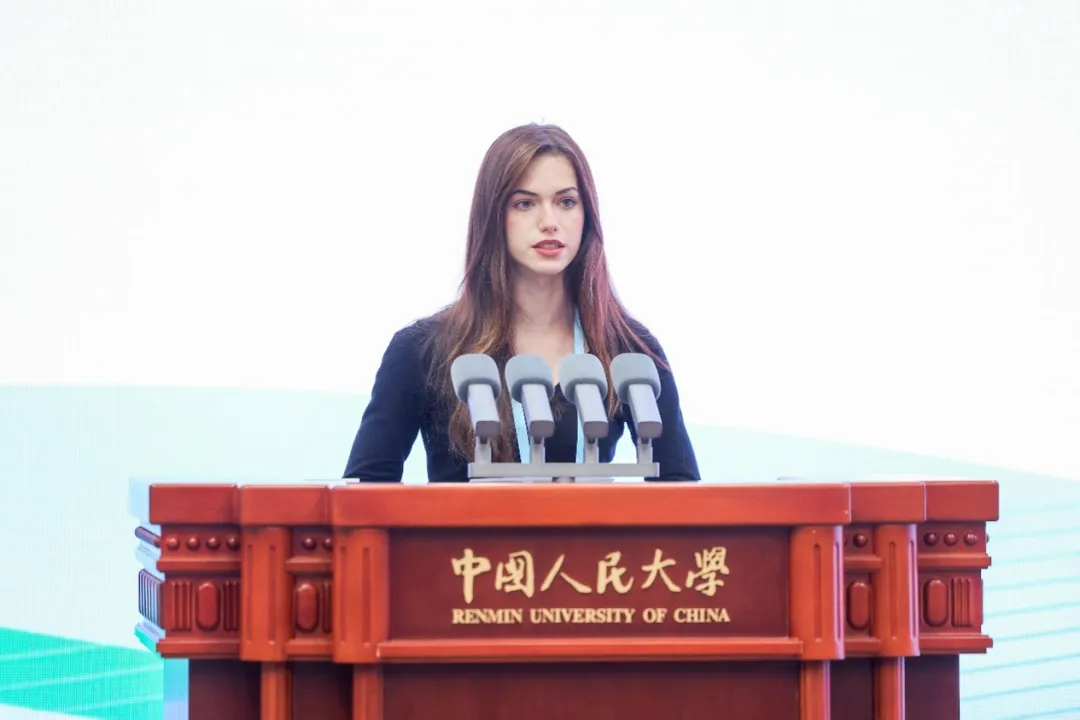
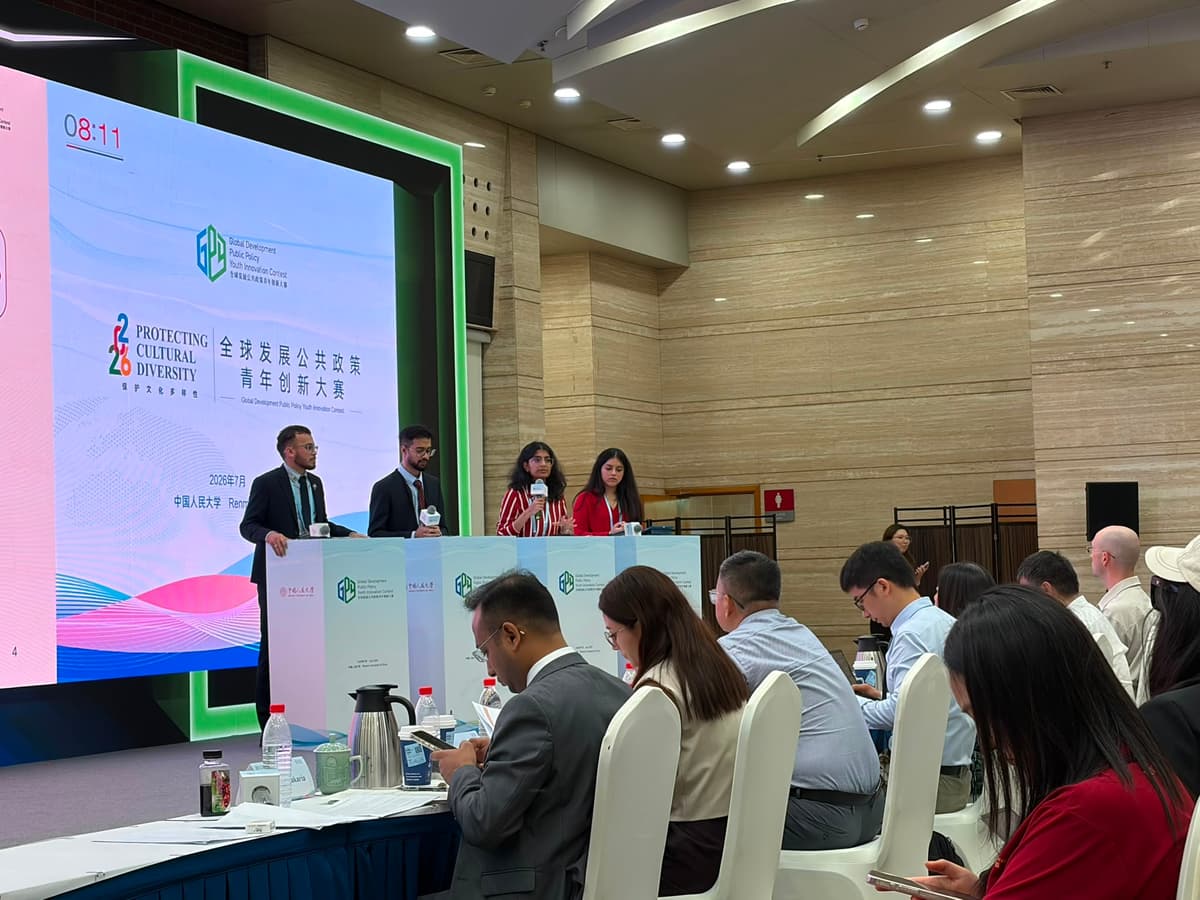
The next generation of global changemakers took centre stage at the Second Global Development Public Policy Youth Innovation Competition, where student teams from around the world were recognised for policy solutions aimed at some of today’s most pressing challenges. Hosted at Renmin University of China on 21–22 July 2026, the competition drew young leaders working to advance sustainable development, cultural diversity and international cooperation through public policy innovation.
Under the 2026 theme “Protecting Cultural Diversity,” the competition hit a new scale, drawing more than 4,000 participants from over 200 universities across nearly 70 countries and regions on six continents. Between them they submitted 866 original policy proposals — a showing of the creativity, interdisciplinary thinking and global outlook young people bring to building more inclusive and resilient societies.
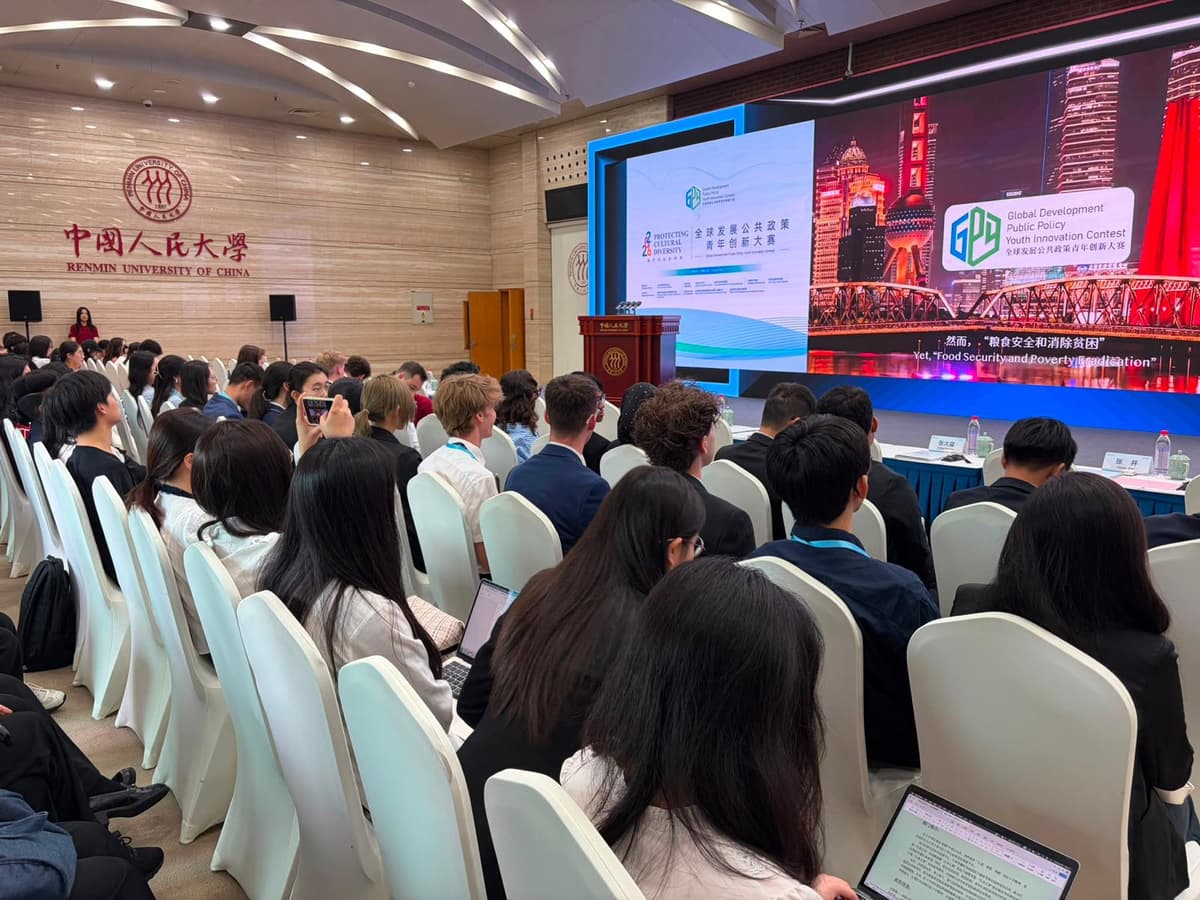
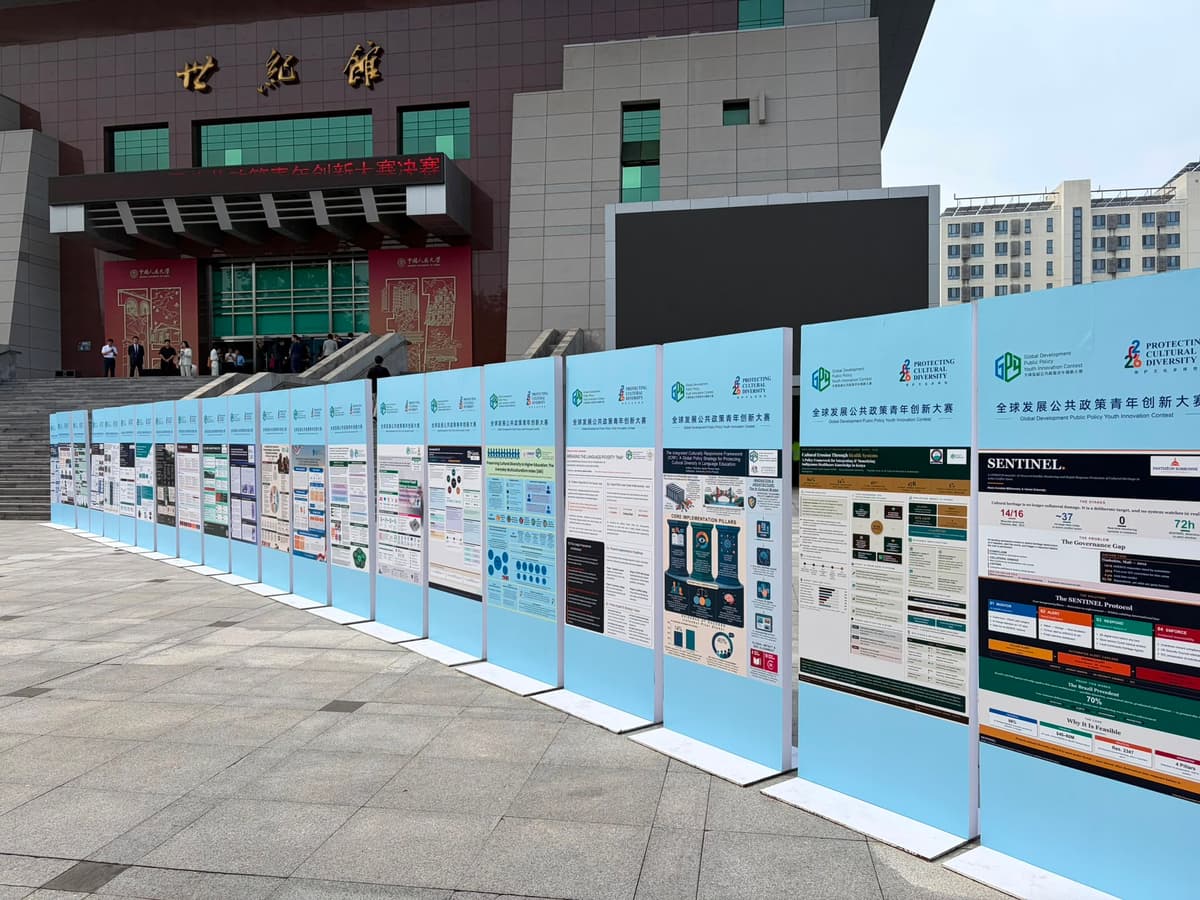
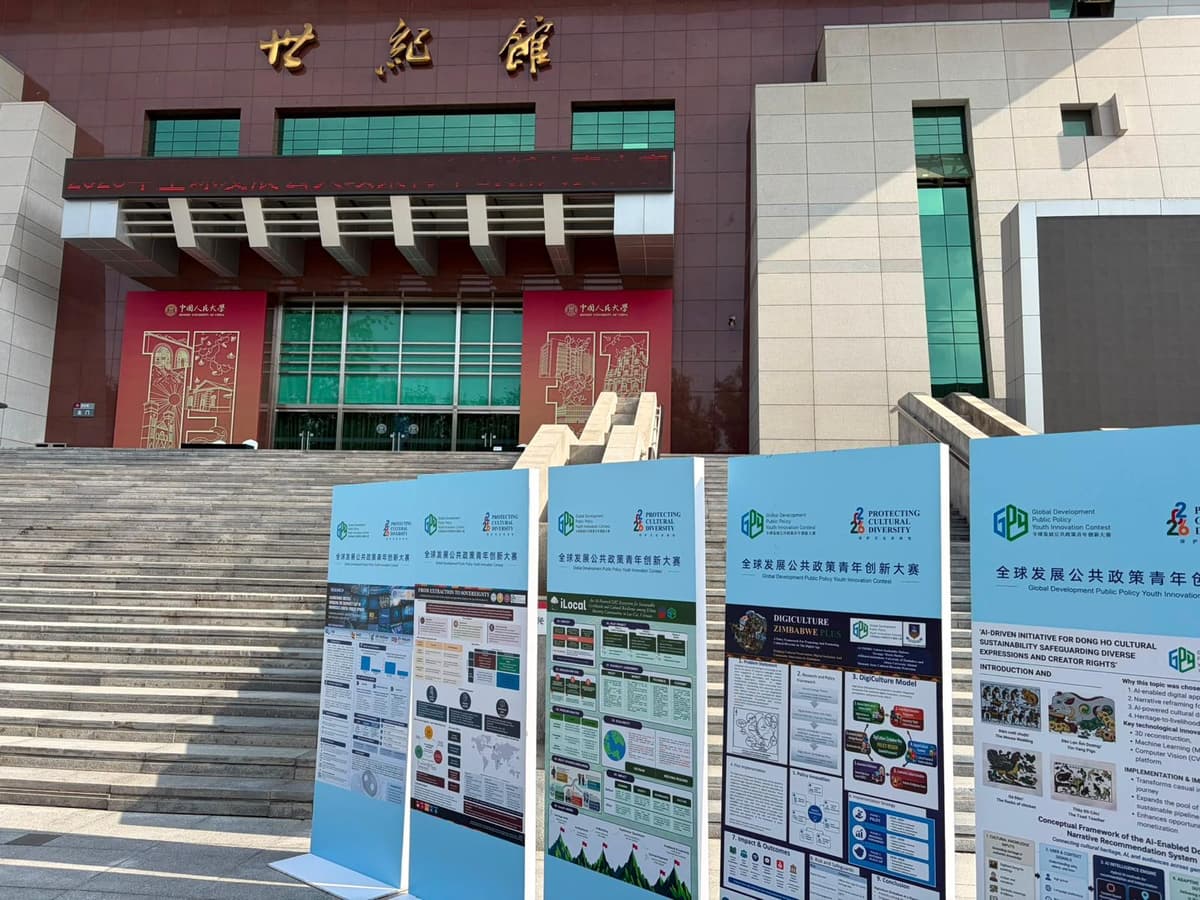
After a rigorous multi-stage evaluation by an international panel of experts, 80 teams took the Outstanding Award, with the top-ranked proposals moving on to the Beijing finals. In the final round, teams put their ideas forward through public exhibitions and live policy pitches before judges, covering ground from cultural heritage preservation and AI governance to community development, education and digital inclusion.
To learn more about the finals’ full program: Highlights of the Second Global Development Public Policy Youth Innovation Competition Finals
Fifty awards were presented in total. Two teams took First Prize, five teams the Second Prize, and eight teams the Third Prize. Beyond the main prizes, twelve teams received Special Awards for excellence in innovation, field research, presentation, collaboration and promotional impact, and twenty-three participants received Individual Awards for outstanding presentations and contributions as youth observers.
🏆 Award Winners
🥇 First Prize
- University of Oxford (United Kingdom)
- A Parametric Finance Mechanism for Cultural Heritage at Conflict Risk
- City University of Hong Kong (Hong Kong)
- Safeguarding Intangible Agricultural Heritage: An AI and IoT-Driven Digital Living Archive for Banda Neira Nutmeg Production
🥈 Second Prize
- National Autonomous University of Mexico (Mexico)
- Living Roots: An Integrated Public Policy Framework for Protecting Afro-descendant Cultural Diversity through Youth Empowerment in Guerrero and Oaxaca, Mexico
- Diplomatic Academy of Vietnam (Vietnam)
- ILocal: An AI-powered D2C Ecosystem for Sustainable Livelihoods and Cultural Resilience among Ethnic Minority Communities in Lao Cai, Vietnam
- Khalifa University (United Arab Emirates)
- A CARE-Aligned Cultural Data Governance Framework for AI Training Data: A Policy Proposal for Safeguarding Cultural Diversity in the United Arab Emirates
- University of Malaya (Malaysia)
- The Cultural Data Procurement Sandbox: A Minimum Viable Policy Intervention to Protect ASEAN Heritage from AI Extraction
- Dublin City University (Ireland)
- Closing the Competence-Activation Gap for Irish in Everyday Life
🥉 Third Prize
- Paris 1 Panthéon-Sorbonne University (France)
- SENTINEL: A Proposed UNESCO Protocol for AI-Powered Satellite Monitoring and Rapid-Response Protection of Cultural Heritage Sites in Active Conflict Zones
- KU Leuven (Belgium)
- Who Pays to Preserve? Designing a Cultural Heritage Benefit-Return Protocol (CHBRP) for the Age of AI
- MGIMO University (Russia)
- From Extractive Tourism to Community Benefit-Sharing in the Altai Republic: A Policy Model for Safeguarding Indigenous Intangible Heritage
- Renmin University of China (China)
- Revitalizing Endangered Cultural Heritage: A 5P Collaborative Model through Culture–Tourism–Commerce Integration — Insights from the Dongting South Road Historical and Cultural Block
- University of Indonesia (Indonesia)
- Algorithmic Justice: Bridging the Disparity Gap in Indonesia’s Digital Public Sphere — A Strategic Framework for Inclusive Governance and Infrastructure
- The Ohio State University (United States)
- Transparency, Replication, and Reconciliation: A Community-Centered Framework for Ethical Cultural Heritage Repatriation in the Global South
- University of Zimbabwe (Zimbabwe)
- DigiCulture Zimbabwe Plus: A Policy Proposal for the Protection and Promotion of Cultural Diversity in the Digital Age
- Pontifical Catholic University of Peru (PUCP) (Peru)
- Recovering What Was Never Meant to Last: A Regional Policy Framework for the Preservation of Latin America’s Audiovisual Heritage
🏆 Special Awards
Team Awards
🔬 Best Field Research Award
- Dublin City University (Ireland) — Closing the Competence-Activation Gap for Irish in Everyday Life
- National Autonomous University of Mexico (Mexico) — Living Roots: An Integrated Public Policy Framework for Protecting Afro-descendant Cultural Diversity through Youth Empowerment in Guerrero and Oaxaca, Mexico
🖼️ Best Poster Award
- Diplomatic Academy of Vietnam (Vietnam) — ILocal: An AI-powered D2C Ecosystem for Sustainable Livelihoods and Cultural Resilience among Ethnic Minority Communities in Lao Cai, Vietnam
- The Ohio State University (United States) — Transparency, Replication, and Reconciliation: A Community-Centered Framework for Ethical Cultural Heritage Repatriation in the Global South
- National Autonomous University of Mexico (Mexico) — Living Roots: An Integrated Public Policy Framework for Protecting Afro-descendant Cultural Diversity through Youth Empowerment in Guerrero and Oaxaca, Mexico
- University of York (United Kingdom) — Countering Cultural Erasure in the Digital Age: A UNESCO Policy Framework for Monitoring and Responding to Cultural Disinformation
- Pontifical Catholic University of Peru (PUCP) (Peru) — Recovering What Was Never Meant to Last: A Regional Policy Framework for the Preservation of Latin America’s Audiovisual Heritage
🤝 Best Team Collaboration Award
- Paris 1 Panthéon-Sorbonne University (France) — SENTINEL: A Proposed UNESCO Protocol for AI-Powered Satellite Monitoring and Rapid-Response Protection of Cultural Heritage Sites in Active Conflict Zones
- Renmin University of China (China) — Revitalizing Endangered Cultural Heritage: A 5P Collaborative Model through Culture–Tourism–Commerce Integration
💡 Most Innovative Proposal Award
- University of Oxford (United Kingdom) — A Parametric Finance Mechanism for Cultural Heritage at Conflict Risk
- City University of Hong Kong — Safeguarding Intangible Agricultural Heritage: An AI and IoT-Driven Digital Living Archive for Banda Neira Nutmeg Production
- Ghent University (Belgium) — Who Pays to Preserve? Designing a Cultural Heritage Benefit-Return Protocol (CHBRP) for the Age of AI
🚀 Most Promising Proposal Award
- University of Oxford (United Kingdom) — A Parametric Finance Mechanism for Cultural Heritage at Conflict Risk
- City University of Hong Kong — Safeguarding Intangible Agricultural Heritage: An AI and IoT-Driven Digital Living Archive for Banda Neira Nutmeg Production
- University of Malaya (Malaysia) — The Cultural Data Procurement Sandbox: A Minimum Viable Policy Intervention to Protect ASEAN Heritage from AI Extraction
Individual Awards
⭐ Outstanding Individual Award
- Yara Nieves Handschin | Berlin School of Economics and Law (Germany)
- Lim Ting Qian | City University of Hong Kong
- Lucas Spicer | Dublin City University (Ireland)
- Le Thi Hong Phuong | Diplomatic Academy of Vietnam
- Maria Candela Milikowsky Fernandez | Paris 1 Panthéon-Sorbonne University (France)
👀 Best Observer Award
- Chen Yongqi | Shanghai International Studies University
- Fu Kunhao | Beijing Language and Culture University
- Li Renke | Shanghai International Studies University
- Wu Jian | Jilin University
- Njuguna Anne Njambi | Renmin University of China
👀 Excellent Observer Award
- Ren Cheng Wanxin | Huaqiao University
- Wang Xinqian | Huaqiao University
- Wang Yuqian | Beijing Language and Culture University
- Zhu Mengmeng | Xi’an International Studies University
- Aya Alnasser | Renmin University of China
- Craig Harris Shapiro | Renmin University of China
- Huang Lixuan | Renmin University of China
- Lan Jinhang | Renmin University of China
- Ling Hao | Renmin University of China
- Liu Fangfei | Renmin University of China
- Wan Tianhao | Renmin University of China
- Zhu Haiyuan | Renmin University of China
- Zhu Yining | Nankai University
Field Research Program
From 23 to 26 July, participating teams joined the “Journey for Global Development” field research program in Beijing and Suzhou. Site visits and discussions with local experts let participants examine how cultural heritage can be preserved and folded into contemporary development, alongside a first-hand look at China’s approaches to sustainable development and cultural governance.
Find out more about the field research program
About the Competition
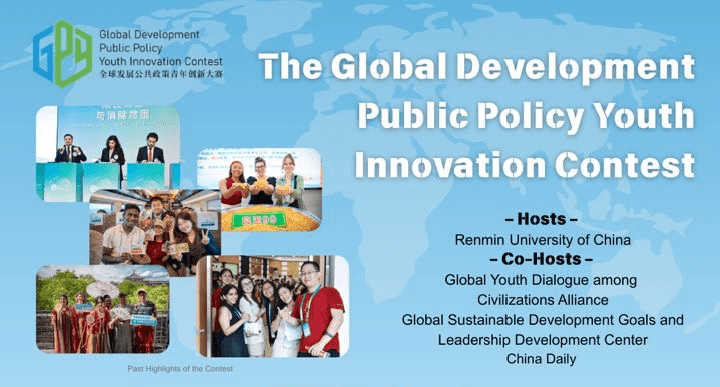
Founded in 2025, the Global Development Public Policy Youth Innovation Competition (GYDCA) is guided by the All-China Youth Federation and jointly organised by Renmin University of China and the University Alliance for Youth Diplomacy. It aims to advance the four Global Initiatives, support implementation of the United Nations 2030 Agenda for Sustainable Development, and give young people a global platform for taking part in international dialogue and contributing to global governance through policy innovation.
The inaugural edition, themed “Food Security and Poverty Alleviation,” drew more than 1,400 young participants from 55 countries and regions and picked up wide coverage in major Chinese media, reflecting the growing role of youth in tackling global challenges with practical policy solutions.